Quick answer
Does hard water cause acne? Current human evidence does not show that hard water causes acne or blocks facial pores. One lab test found that harder water left more surfactant residue on skin and raised irritation.
If breakouts began after a move, water could be part of the change, so check its hardness and your routine before buying equipment.
What hard water actually changes
Hard water holds more calcium and magnesium, but that does not make it dirty or unsafe. The U.S. Geological Survey calls hardness a nuisance because it affects soap, plumbing, and household scale.
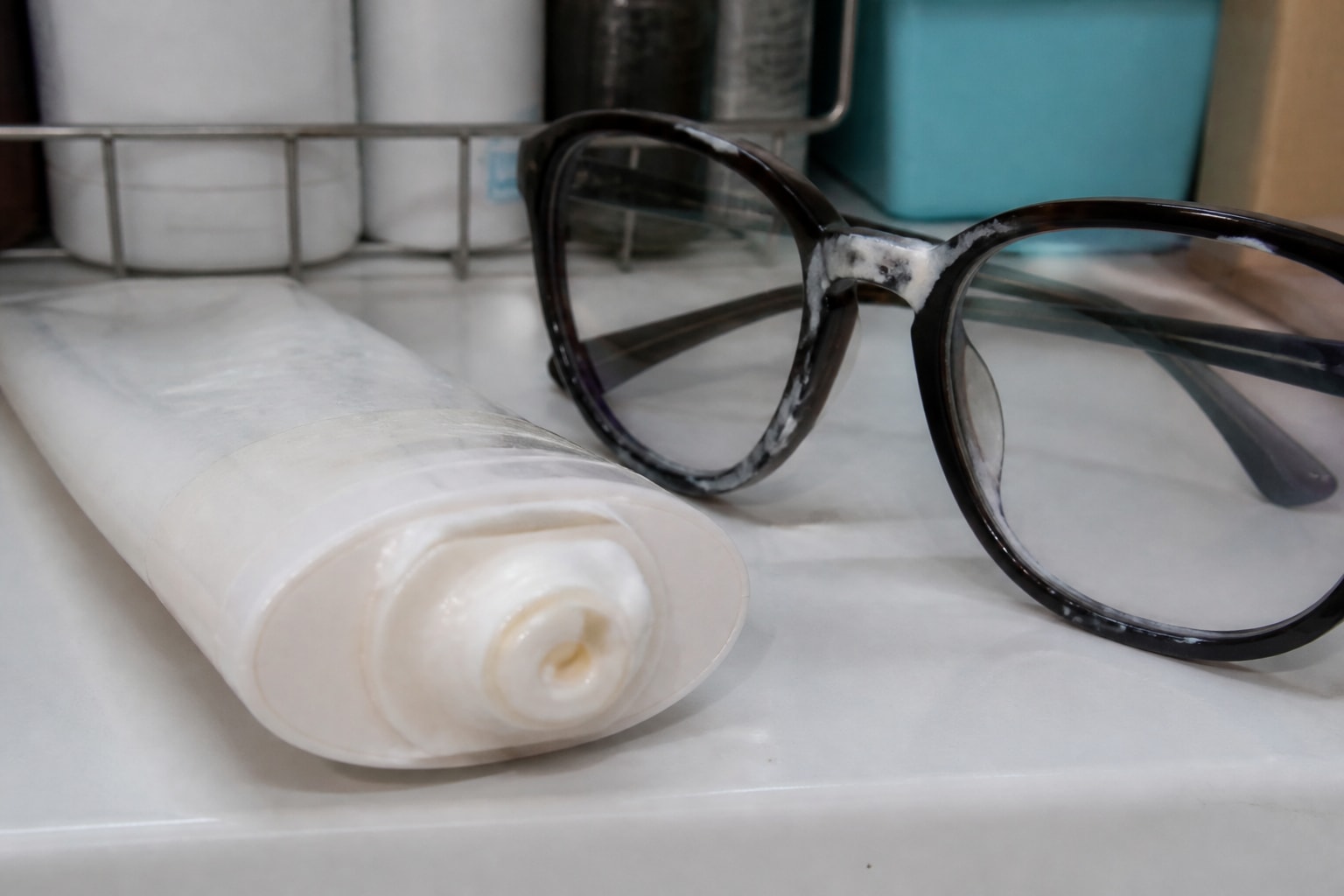
Calcium can form a soap film, so you may need more product for lather and may feel coated after washing.
Hardness is usually reported as milligrams per litre of calcium carbonate. USGS calls 0 to 60 mg/L soft, 61 to 120 moderately hard, and 121 to 180 hard. Anything above 180 mg/L sits in its highest band.
White tap scale is only a clue, so check your water supplier's report for a local hardness number.
What the skin studies found
Simon Danby's team ran the most relevant test with 80 adults, including healthy controls and people with eczema. Researchers washed small skin sites with sodium lauryl sulfate in water that had different hardness levels.
Harder water left more sodium lauryl sulfate on the skin, and those deposits were linked with more water loss and irritation. Effects were strongest in people with eczema and certain gene changes.
This controlled irritation test did not measure pimples, blocked pores, skin oil, or results from everyday face washing.
A 2021 review covered 16 studies, including seven observational studies with 385,901 participants.
Across those studies, children exposed to harder water had 28% higher odds of eczema. The review authors gave this finding their lowest certainty grade. Home softeners did not improve objective eczema severity.
These outcomes matter, but none of them was acne. The American Academy of Dermatology explains that acne begins when pores clog, with hormones often playing a part. Mineral hardness is not the same thing as a pore-clogging cosmetic.
Hard water might worsen irritation when cleanser is harsh or rinses poorly. That is possible, but it has not been shown to create acne.
Why a breakout after moving proves little
A move changes more than your tap water, including sleep, stress, laundry products, cleanser use, and shower habits. The AAD lists stress, too little sleep, and oily skin or hair products among factors that can worsen acne.
A water theory becomes harder to test when several of those things changed together. Write down every product and habit that changed within the same period.
Photo conditions can muddy the record as well. Side light makes bumps, flakes, and redness look different, so use the same place, distance, angle, and light each time.
Most of all, do not try to remove mineral film by scrubbing harder. The AAD warns that scrubbing and repeated washing can irritate acne-prone skin and trigger more breakouts.
How to check whether hard water affects your skin
No home test can diagnose “hard-water acne.” A careful check can still show whether softer washing water seems to help your skin.
- Check the water: find the hardness in your supplier's report and note the figure in mg/L or ppm as calcium carbonate. If no figure is available, ask your water supplier or local health agency for one.
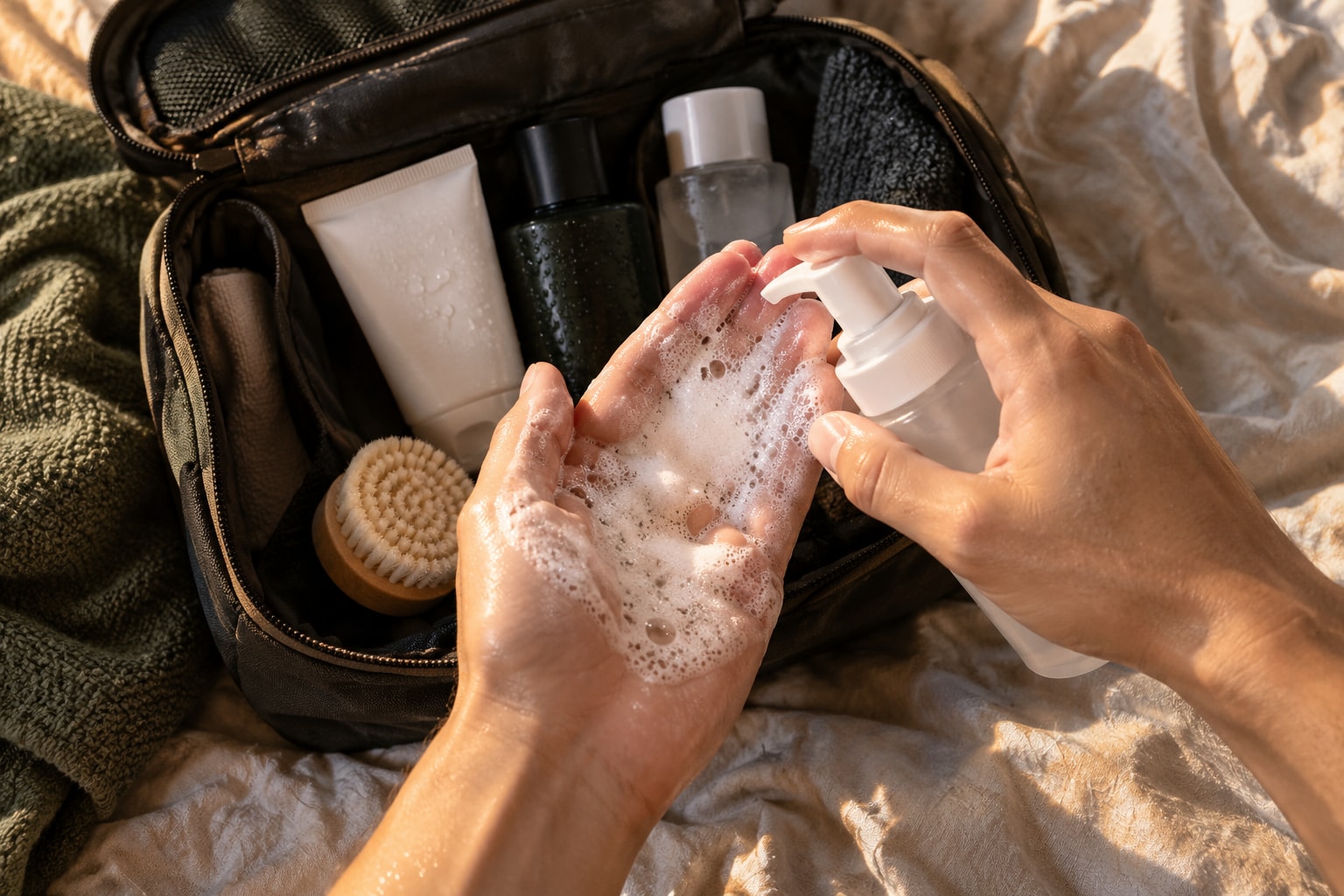
- Keep the routine gentle: wash with one mild cleanser marked “non-comedogenic” and lukewarm water, then rinse well and pat dry. Use a similar moisturiser if your skin feels dry.
- Hold other variables steady: do not start a new acid, acne treatment, diet, or hair product during this check. Keep following any prescribed plan unless your clinician changes it.
- Use softer water only if practical: if you already have access to water tested in the soft range, use it for face washing. Packaged distilled water can support a short test, but skip it if the cost or waste is unreasonable.
- Track separate outcomes: count new inflamed spots once each week, then record stinging, tightness, and flaking in another column. Those irritation signs are not acne lesions.
- Take matching photos: keep the camera, room, distance, angle, expression, and light unchanged. A private record helps you compare trends without turning one close-up into a verdict.
The cited studies do not set a home-test duration, so use several weekly checks instead of judging one good morning.
Decide what improvement would look like before you begin, such as fewer new inflamed spots plus less stinging across repeated checks. If only tightness improves while new spots stay unchanged, the water may affect comfort without driving your acne.
Is a softener worth buying for acne?
Current evidence does not support buying a water softener as an acne treatment. The eczema review found no improvement in objective severity for people who already had eczema.
The case for acne is weaker because those trials did not study acne. A softer-water check may guide a household choice, but it cannot turn the device into a proven treatment.
Ask a seller for a measured reduction in hardness as mg/L of calcium carbonate. A vague “filtered water” claim does not provide that measurement, and it should not decide a costly purchase.
Spend on proven acne care first. The AAD recommends a mild routine and suitable treatment, with dermatology help when care at home is not enough.
When to see a dermatologist
Book an appointment for deep or painful spots, scarring, worsening acne, or breakouts that do not improve with consistent care. A dermatologist can confirm whether the bumps are acne and choose treatment for your skin.
Bring your timeline, product list, hardness figure, and comparable photos. That record is more useful than describing the water as “bad.”
FAQ
Can hard water clog pores?
Current human evidence does not show that hard-water minerals clog facial pores. The stronger evidence concerns extra cleanser deposits and irritation after washing. Wash-related irritation and a pore blockage caused by a product are different processes.
How can I tell if my water is hard?
Check your local supplier's report for hardness as mg/L or ppm of calcium carbonate. USGS calls 121 to 180 mg/L hard, with anything above 180 mg/L in its highest band. Scale and weak soap lather are clues, but a measured figure is more useful.
Will a water softener clear acne?
Water softeners have not been shown to clear acne. Controlled softener studies covered eczema, and the 2021 review found no improvement in objective disease severity. Check your water and your own response before considering the cost.
Should I wash my face with distilled water?
You do not need distilled water for a sound acne routine. It can support a short check because it lacks hardness minerals, but it is not a proven treatment. Stop the check if it adds cost, waste, or routine stress.