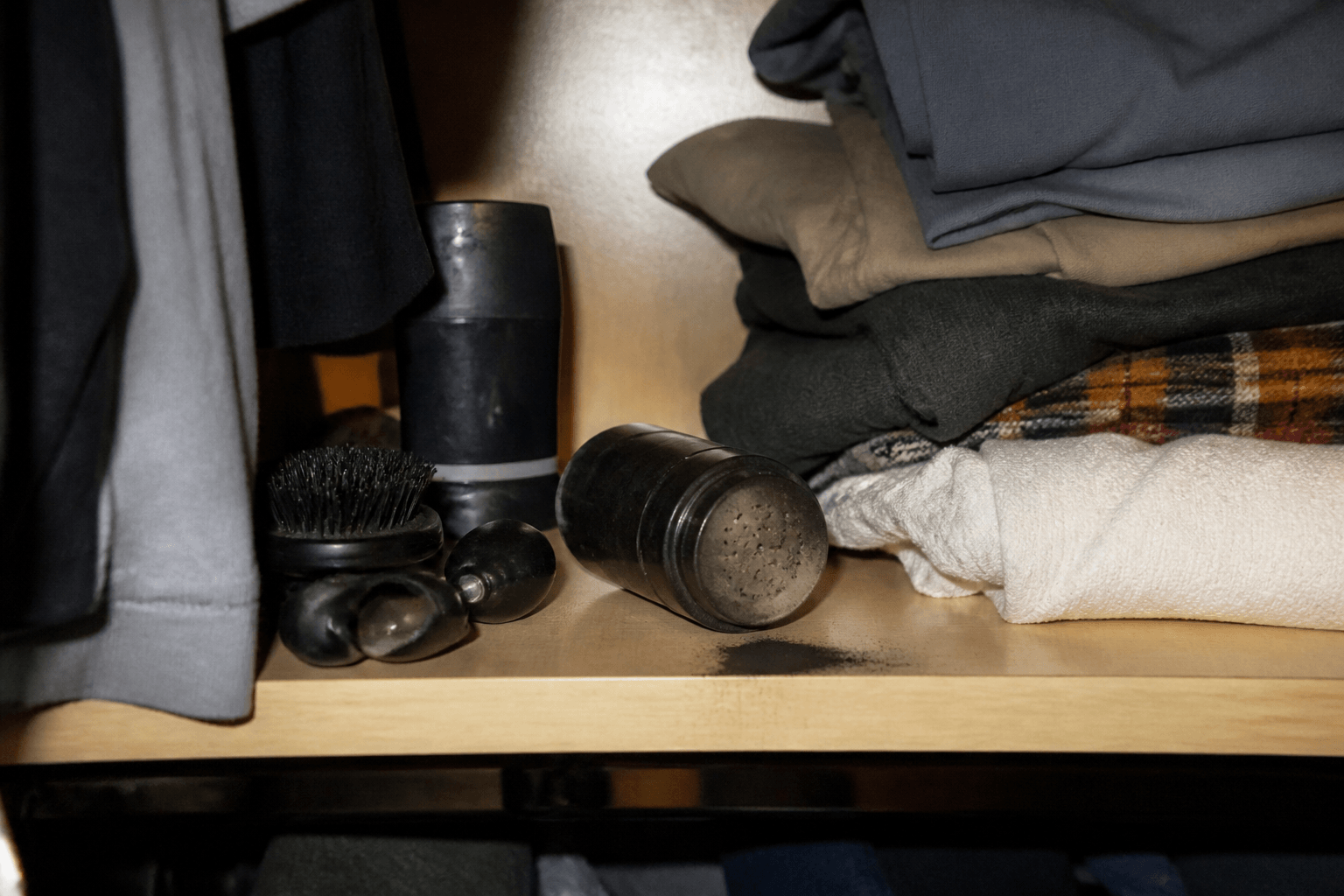
Quick answerDo hair fibers make hair loss worse? Current evidence doesn't show that topical fibers speed up follicle-level hair loss when you use them as directed. The best direct study was small and lasted only 90 days, so it can't prove long-term safety.Fibers can irritate some scalps, while rough removal can damage fragile strands. They hide thinning rather than treat it. Use them as camouflage, track your uncovered scalp, and get new or worsening loss assessed.## What hair fibers actually doHair-building fibers are tiny, colored particles made from keratin, plant, or synthetic materials that cling to existing hair. Static charge and styling sprays help the particles stay attached, so the effect is optical.Fibers make individual strands look wider and reduce the color contrast between hair and scalp. They work best where some hair remains, since bare skin gives them little to grip.They don't change the growth cycle or reach the part of the follicle that produces hair. The American Academy of Dermatology classifies concealers as an immediate cosmetic option that can't slow loss or regrow hair.## What the direct study foundBabadjouni and colleagues followed 40 adults, evenly split between women and men, who used one commercial keratin fiber filler for 90 days. This is the most useful direct human study available, but it wasn't a randomized trial.After 90 days, 90% reported no itching, prickling, tightness, pain, or burning during or after use. One participant had visible redness during the final scalp examination, and researchers reported no serious adverse events.Those findings are reassuring but narrow, and the study had no untreated comparison group. Forty people using one product for three months can't answer what happens with every formula or years of daily use.A separate report involved three people with a rare skin-fragility disorder who received immediate cosmetic coverage, but one stopped because of scalp itching. That tiny case series can't estimate risk for the wider population.The fair conclusion is modest: short-term use appears well tolerated for most people studied. Evidence doesn't support claims that fibers routinely cause hair loss, but it also doesn't justify calling every product risk-free.## Why your hair may look worse after using fibers### The underlying loss kept progressingFibers don't pause androgenetic alopecia, alopecia areata, shedding, or scarring hair loss. A gradual change may become obvious after washing, making the fibers look responsible when the original condition simply continued.Clean-scalp tracking matters because a covered photo and an uncovered photo aren't a fair pair. Compare photos taken before applying fibers, using the same part, distance, light, and dry-hair state.### Your scalp reacted to the formulaScalp contact dermatitis can cause itching, burning, redness, and scale. Hair products may contain dyes, fragrances, preservatives, or other ingredients that trigger irritation or allergy. The exact risk depends on the full formula, not whether the front label says keratin.Stop the product if symptoms start, and don't keep applying more to hide redness or flakes. A dermatologist can examine a persistent reaction and arrange formal patch testing when allergy is suspected.### Removal added frictionThe particles themselves aren't the only part of the routine. Scratching an itchy scalp, dragging a fine comb through tangled hair, or rubbing hard with a towel can break weak shafts. Dermatologists advise gentle shampooing, conditioning, careful detangling, and blotting rather than rough towel drying.Breakage creates short, uneven pieces, while follicle-level thinning reduces density at the scalp. The two can happen together, so a quick look at hairs in the sink may not settle the cause.## A lower-risk way to use hair fibersKeep the routine simple enough that you can spot a problem.- Read the complete ingredient list and product directions before the first use.- Don't apply fibers over broken, infected, or actively inflamed skin.- Start with a small amount because a heavy layer often looks less natural and puts more material on your scalp.- Apply to dry hair, then style without scraping the scalp or pulling fragile strands.- Remove the product gently as directed, massaging shampoo into the scalp instead of rubbing the hair lengths together.- Stop if you develop persistent itching, burning, redness, swelling, sores, or heavier shedding.Take one clean baseline photo before starting, then repeat it monthly with the same camera distance, part, lighting, and dry hair. Keep the images private if you prefer. Consistency matters more than a flattering angle.If you use topical minoxidil, apply the medicine first and let it dry before styling products. That order comes from the minoxidil label, but follow your product's directions because solutions and foams differ.## Don't let camouflage delay a diagnosisHair fibers can be useful while you decide whether treatment suits you, but they aren't a test for the cause of thinning. A dermatologist may need your history, a scalp examination, a pull test, blood work, or a biopsy to identify it.Book an assessment for rapid shedding, smooth bald patches, a widening part, or a receding hairline that keeps changing. Pain, burning, heavy scale, pustules, or shiny scar-like skin also deserve attention because some causes can become permanent.You don't need to stop using a cosmetic tool because you feel guilty about covering hair loss. Just measure the uncovered scalp separately and keep treatment decisions tied to the cause.## FAQ### Can hair fibers clog hair follicles?There is no good evidence that cosmetic fibers cause pattern hair loss by "clogging" or suffocating follicles. They sit on hair and the scalp surface. A formula can still irritate your skin, so redness or itching is a reason to stop and check the ingredients.### Can I use hair fibers every day?Large, long-term studies of daily use don't exist, and the 40-person study that found no serious adverse events tested one product. If you use fibers often, follow the label, remove them gently, and monitor your clean scalp for irritation or change.### Do hair fibers work on a completely bald spot?Usually not well, because fibers need existing strands and suit diffuse thinning better than smooth bare skin. Adding a heavy layer to an empty area can look powdery without creating convincing density.### Can I use hair fibers with minoxidil?The DailyMed label for topical minoxidil says to apply the medicine first and wait until it dries before using styling aids. Treat fibers as the styling step. If layering causes irritation, stop the cosmetic product and ask a clinician or pharmacist how to simplify the routine.