Quick answer
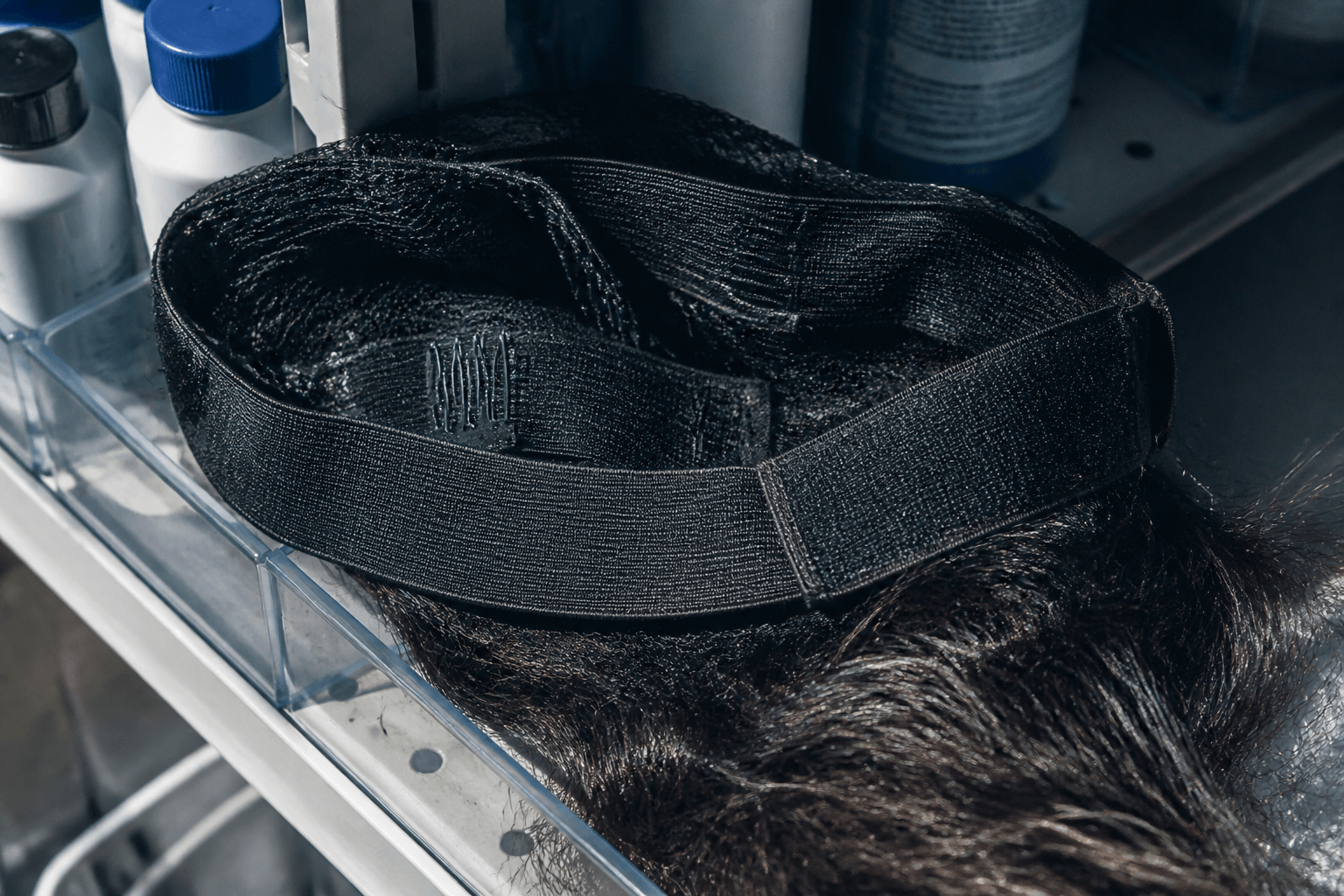
Can a wig grip cause hair loss? It may contribute if the band repeatedly pulls, rubs, or presses on the same hairs. The risk appears greater when the grip is tight, shifts during wear, or sits over an already tense hairline.
Published clinical trials directly comparing velvet, silicone, and elastic wig grips are lacking. The answer comes from broader evidence on friction, head coverings, and traction alopecia, so pain or thinning means the setup needs to change.
How a wig grip can stress your hair
A wig grip secures a wig by creating friction against your scalp or natural hair. That friction is part of its job but becomes a problem when the band repeatedly catches or drags the same hairs.
The American Academy of Dermatology says constant rubbing from a hat, scarf, or other hair covering can lead to traction alopecia. Pulling the hair back tightly under that covering raises the risk.
A grip can create the same mechanical pattern, though direct wig-grip studies are missing. Three parts of the setup matter:
- Tension: A tight band can keep pulling at hairs around the perimeter.
- Movement: A loose band that slides may rub and snap shafts at the hairline.
- Stacked stress: Tight braids, clips, combs, glue, and a grip can load the same area together.
The material alone doesn't decide whether a grip is safe, since velvet grips use friction while silicone grips use a tacky surface. Either can feel comfortable on one scalp and cause pressure or rubbing on another.
Breakage and traction alopecia are not the same
Breakage happens when the hair shaft snaps, leaving short hairs of uneven lengths where the band rests. The follicle can still be healthy beneath the skin.
Traction alopecia affects the follicle after repeated pulling. Early clues include soreness, itching, redness, small bumps, white flakes stuck to hairs, or thinning along the stressed area. The British Association of Dermatologists says the front, sides, and back can all be affected.
The pattern matters more than one shed hair, and a narrow strip matching the grip's edge makes mechanical stress more plausible. Diffuse shedding across the whole scalp may have another cause.
Late traction alopecia can leave smooth, shiny skin after follicles are scarred, and regrowth may not be possible at that stage. Early cases often improve after the pulling stops.
Five checks to run before your next wear
1. Check comfort before appearance
Put on the grip without the wig and leave it in place for several minutes. It should lie flat and feel secure, not painful. A headache, stinging, scalp tenderness, or strong relief after removal suggests too much pressure.
The National Alopecia Areata Foundation describes a wig grip as optional and recommends a snug but comfortable fit. Tighter isn't automatically safer.
2. Look at where the band lands
Check the front, temples, behind the ears, and nape, since those are common contact points. Don't place the grip over a sore, inflamed, or visibly thinning area. Stop and reassess the fit.
The band should not roll, bunch, or pinch a narrow row of hairs. If it does, the size or shape may not suit your head and wig.

3. Loosen the hair underneath
Don't pull your edges tight before covering them. The AAD specifically warns that a tight style beneath a hair covering increases traction risk.
Aim for a smooth, low-tension base. If braids hurt, lift the scalp, or leave bumps, redo them more loosely before adding a wig or grip.
4. Test the full setup
A grip may not be the only source of stress. Wig combs, clips, adjustable straps, adhesive removal, and tight braids can affect the same strip of hair.
Change one part at a time. If the wig stays secure without it, leave out the grip for several wears while keeping the rest stable. Then check whether soreness and new breakage stop.
5. Compare monthly, not hourly
Take a clear hairline photo before changing the setup, then repeat it monthly with the same part, light, angle, and camera distance.
Freshly smoothed edges, fibers, concealer, and different lighting can hide or exaggerate a thin area. A repeatable photo is useful for tracking, but it cannot show whether follicles are scarred.
What to change if the grip is causing damage
Stop using the painful or rubbing setup first, and don't keep tightening it to prevent slipping.
A well-fitted wig may need less help staying in place. Ask a reputable wig fitter to check the cap size, ear tabs, straps, and where the grip meets your hairline. A different attachment method is not automatically safer, since combs, clips, and adhesives carry their own risks.
Choose the lowest-tension option that stays comfortable and stable. Avoid placing every securing method on the same fragile area. Give sore or thinning edges a break from contact while you arrange professional advice.
Don't start mail-order minoxidil, steroid creams, or supplements based on a photo. Hair loss has several causes, and treatment depends on the diagnosis. The British Association of Dermatologists notes that minoxidil can irritate skin and does not work for everyone.
When to see a dermatologist
Book an appointment if you can see a new patch, a receding edge, persistent bumps, or continuing loss after the grip is removed. Smooth, shiny skin needs prompt assessment because it can signal established scarring.
A dermatologist can separate traction alopecia from alopecia areata, pattern hair loss, frontal fibrosing alopecia, and scalp disease. The exam may include magnified scalp imaging, and an unclear case sometimes needs a biopsy.
Act early because British dermatology guidance says regrowth may begin around three months after tension stops if follicles can still produce hair. A fixed deadline cannot predict your result.
FAQ
Are velvet wig grips safer than silicone ones?
No direct trials show that one material prevents hair loss better. Check fit, pressure, movement, wear time, and the hairstyle underneath instead of trusting the product label.
How do I know if my wig grip is too tight?
Pain, stinging, headache, scalp tenderness, raised skin, or strong relief after removal are warning signs. Remove the grip and change the fit rather than waiting to adapt.
Will hair grow back after I stop wearing the grip?
Early traction-related loss can regrow after the stress stops. Longstanding loss with smooth, shiny skin may be permanent, so visible thinning deserves a dermatologist's review.
Can I wear a wig while my edges recover?
Possibly, but the wig must avoid pressure and pulling on the affected area. A wig fitter and dermatologist can help you choose a setup that suits your hair and diagnosis.