Quick answer
Can retainers change your face shape? A standard retainer fitted after braces or aligners is meant to hold teeth, not reshape your jaw or facial bones. It can help keep changes that active treatment made around your smile and lips. Stopping wear may let teeth relapse, but it is not a proven route to more jaw growth or a sharper jawline.
What a retainer actually does
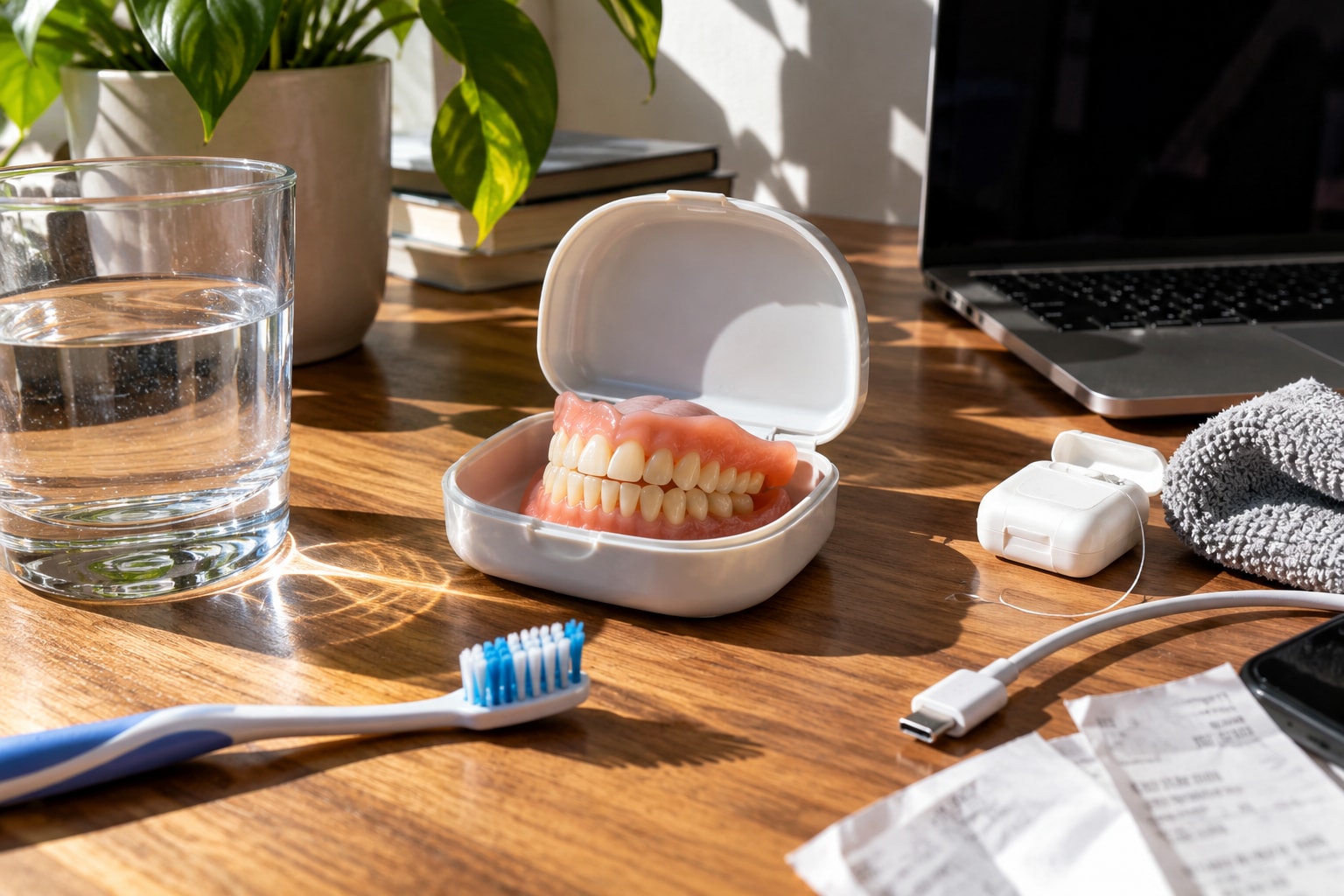
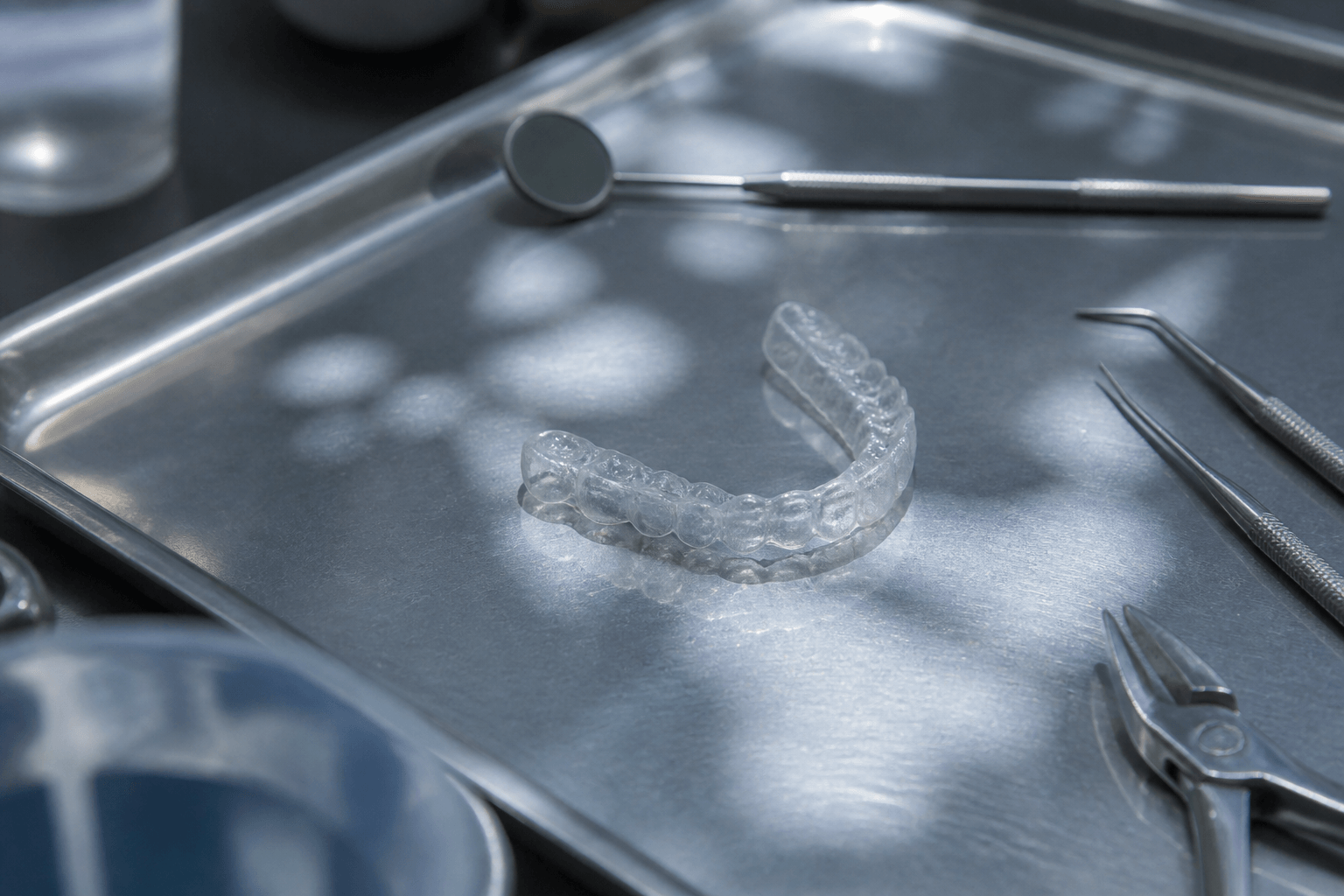
Retention begins when braces or aligners come off. The American Association of Orthodontists says a retainer keeps your teeth in their new positions.
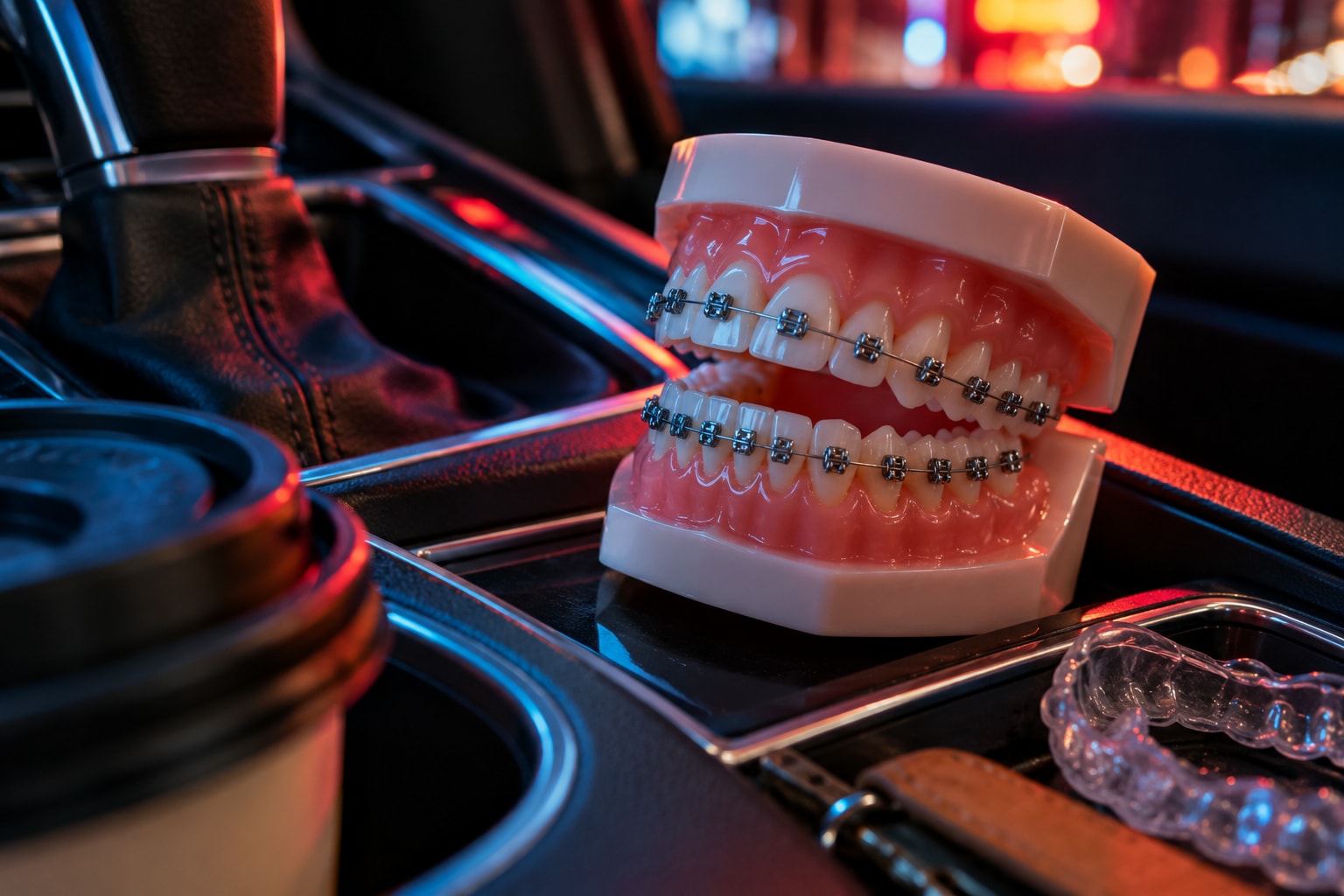
Clear plastic retainers, Hawley retainers and bonded wires look different. They all keep teeth steady. Cochrane's 2023 review says teeth tend to relapse without a retainer. It did not find one best type for everyone.
That review covered braces, not aligner treatment. It supports retainers after braces. It cannot answer every question about newer aligner plans.
Braces, aligners and other active devices use planned pressure to move teeth. A retainer does not.
Your finished tooth positions form the mold for a normal retainer. It holds teeth. It does not build a jaw.
Why orthodontic treatment may change your appearance
Active treatment can alter the area around your mouth. Moving front teeth may change lip position, while bite correction can change how your lower face reads in profile.
A 2024 study compared facial photos from 73 patients before and after treatment. The clearest average changes appeared around the lips and lower face, especially in profile. Some patients had premolar extractions or jaw surgery, so the study cannot isolate braces or aligners alone.
All 73 patients came from one Shanghai hospital, and 55 were women. Their average age was 21 ± 8 years. The results show a pattern, not a promise of your outcome.
Those changes appeared during active care. A retainer then helps keep the dental result. It does not keep changing your profile.
For a fair comparison, take photos with a removable retainer out. Keep camera distance, head position and expression the same.
Retainers, growth and the jawline
Standard retainers preserve tooth position after active treatment. A growing patient may instead get a functional brace to treat a bite problem. That is an active device, not an ordinary retainer.
The label matters more than whether a device is removable. You can remove either one, but only the functional brace treats the bite.
Even functional braces have limits: the British Orthodontic Society says they mainly tip upper teeth backward and lower teeth forward. They may alter lower-jaw growth for a short period, but a lasting difference in jaw position is unlikely.
The AAO also says current evidence does not support mewing as a way to reshape the jawline. Stopping prescribed retention for mewing trades a known relapse risk for an unproven appearance claim.
What can change if you stop wearing it
Teeth can move toward their old positions after braces or aligners, so crookedness or other bite problems can return. That relapse can affect your bite.
This can affect your smile and the way your lips sit. It is relapse, not controlled jaw treatment.
The amount of relapse varies. Cochrane rated the evidence as low or very low certainty across 47 studies with 4,377 adults and children. Most studies followed people for less than one year, so we still do not know which retention plan works best.
A fair way to check a suspected face change
Split the timeline into three stages before blaming the retainer: before braces, after active care and months later. Photos that skip the middle stage can blame the last device for changes caused earlier.
Use one front photo and one profile photo with a removable retainer out. Match the older photo's camera distance, head angle and expression. The 2024 study also fixed distance and head position and asked patients to relax their lips and facial muscles.
Then check whether the retainer seats fully, your bite has changed or you can see tooth movement. These details are more useful to an orthodontist than a face filter or jawline score.
A private photo log can track visible changes. It cannot settle bite or jaw-growth questions, so use an in-person exam for treatment decisions.
If the change still looks real, ask your orthodontist to compare your treatment records. The 2024 paper says facial photos do not replace dental and skeletal measurements. That matters when the question is jaw growth rather than visible lip position.
Avoid daily mirror checks because one careful comparison and a professional review beat repeatedly hunting for tiny differences.

What to do if your retainer feels wrong
A tight retainer can mean teeth shifted after missed wear. Poor storage or boiling can warp the appliance.
Do not force a retainer that will not seat or causes pain. AAO advises contacting your orthodontist. The fix may be a new retainer or brief active care.
Book a review if the retainer no longer fits, your bite has changed, a bonded wire has broken or you can see tooth movement. Bring your comparison photos, but let the exam settle the question.
FAQ
Can retainers make your jawline worse?
A standard retainer preserves tooth positions after active treatment. It is not a growth-guiding brace. If your jawline seems different, compare matched photos with the removable retainer out and ask your orthodontist to check your bite.
Do retainers stop forward facial growth?
Orthodontic guidance describes a standard retainer as a tooth-holding device, not a growth-guiding brace. Young patients may need fit checks as their mouth changes.
Will my face change if I stop wearing my retainer?
Your teeth and bite may change through relapse, which can alter your smile and sometimes lip position. Stopping wear will not predictably grow your jaw or sharpen your chin, so ask your orthodontist before changing the prescribed schedule.
Can a tight retainer move teeth back?
A retainer that still seats and causes no pain may correct a small recent shift, according to AAO guidance. Never force one that does not fit. If tightness persists for a few days or causes severe discomfort, contact your orthodontist.