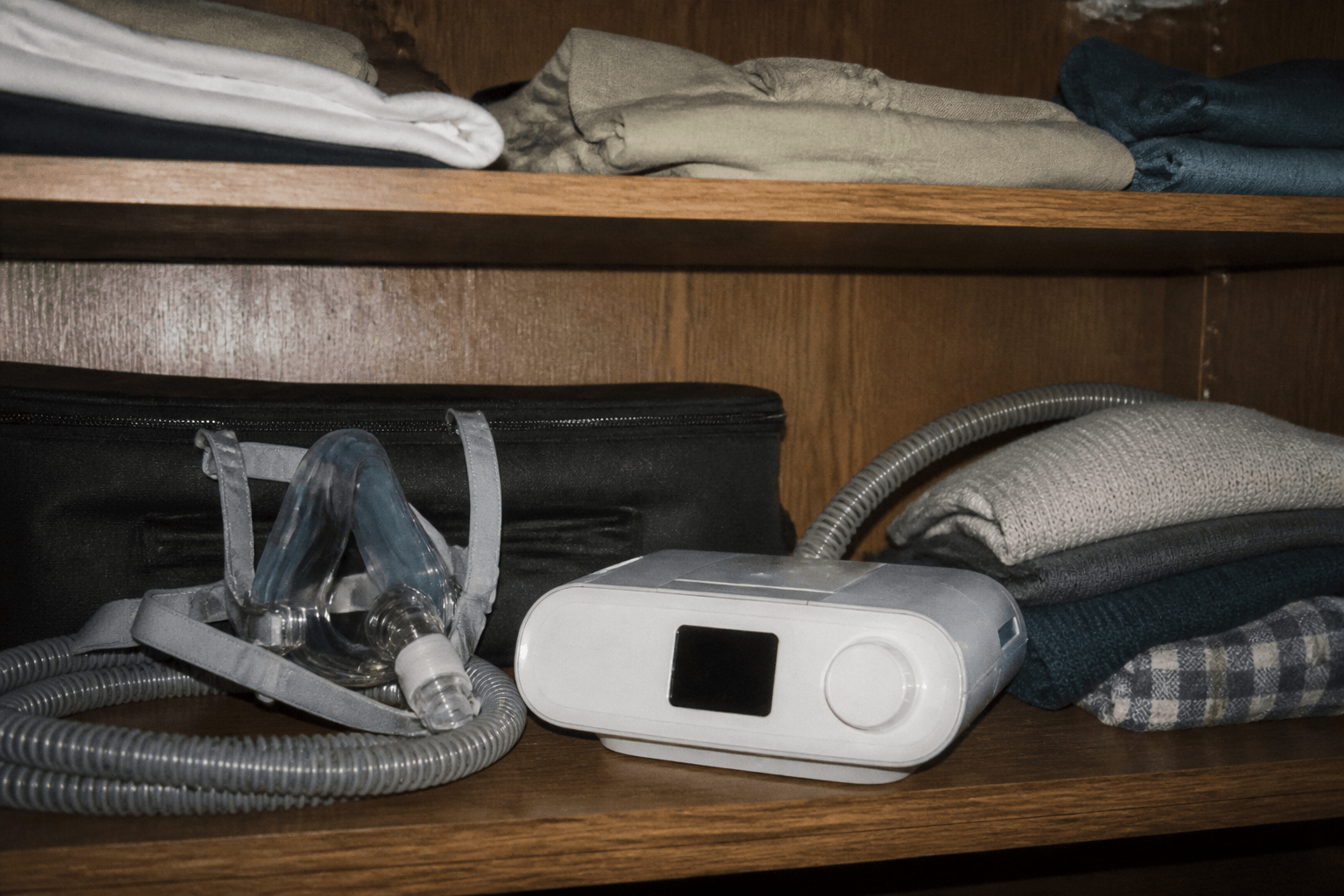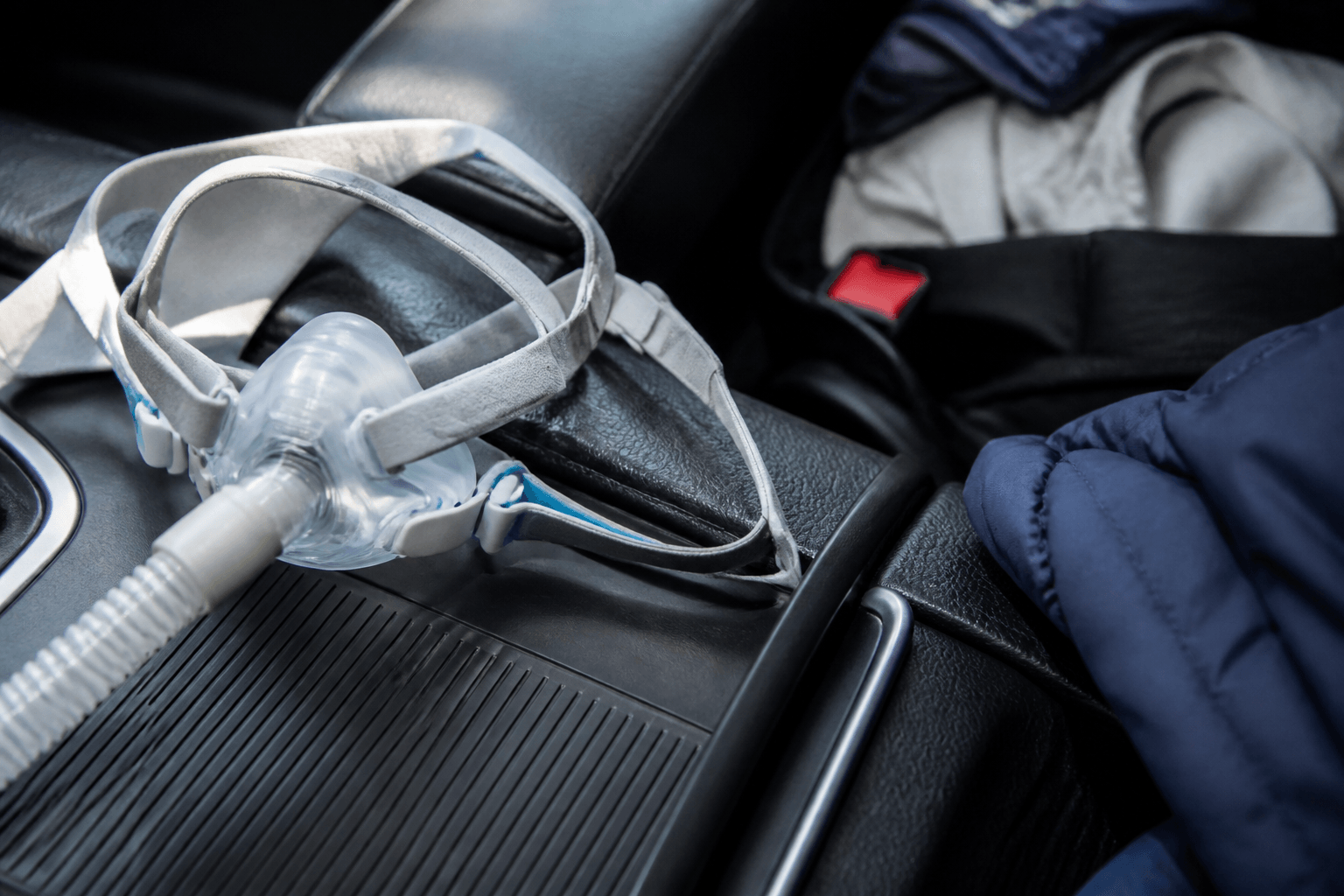
Quick answerCan a CPAP mask cause acne? It can plausibly trigger pimples where the cushion or straps rub and trap heat or moisture. An itchy, scaly, or burning patch may be dermatitis instead, while persistent flushing or spreading pustules need a clinician's eye. Don't stop prescribed CPAP on your own; clean and refit the mask while you work out what the bumps are.## Why a CPAP mask can trigger bumpsA CPAP mask has to maintain a close seal for hours. That can create the same mix behind acne mechanica: repeated rubbing, pressure, warmth, and sweat against acne-prone skin.The American Academy of Dermatology says acne mechanica may start as small, rough bumps that later become pimples or deeper spots. Applying that mechanism to CPAP is reasonable, but it remains an inference.No controlled trial tells us how often CPAP masks cause acne, so the link remains plausible rather than automatic. The evidence comes from general acne-mechanica guidance and reports of other mask-shaped skin problems.The mask is a stronger suspect when bumps cluster along the cushion, nose bridge, cheeks, chin, or straps. A random forehead pimple is weaker evidence if the mask never touches it.Skin oil and product residue collect on a cushion, but they don't prove poor hygiene or a bacterial infection. They can change friction and keep a possible trigger against the same area overnight.## Check whether the bumps are acneLocation offers a clue, but it cannot diagnose the problem. Look at how the skin feels and whether the change follows the mask's contact line.### Signs that fit acne mechanicaEarly acne mechanica often feels rough before it looks inflamed. You may see whiteheads, blackheads, or red pimples where the cushion presses or rubs.The timing can support the link. New bumps that follow the seal line after long nights make the mask a reasonable suspect. Timing alone still cannot prove cause.### Signs that fit dermatitisCPAP dermatitis can cause redness, itching, burning, dryness, peeling, tenderness, small bumps, or blisters. A broad patch with a sharp mask-shaped edge fits dermatitis better than scattered clogged pores.A new cleaner, liner, or mask material may be the irritant. A true material allergy is possible, but a photo cannot confirm it; ask a clinician instead of testing materials on sore skin.Don't treat raw or peeling skin like ordinary acne because an acne product can add more irritation to an already sore barrier.### When acne isn't the whole storyRosacea can produce central redness and acne-like bumps without typical clogged pores. A 2020 Annals of Dermatology report described five people whose rosacea began or worsened during full-face CPAP use.The authors proposed that warmth, humidity, and occlusion may have contributed. Five uncontrolled cases cannot show how common this is or prove that CPAP caused it.Persistent flushing, visible vessels, or burning needs a dermatologist's assessment. Painful pressure marks, broken skin, drainage, or sores also need clinical care rather than another acne product.## Fix the setup before adding more skincareThe first changes should reduce contact triggers without weakening your treatment. Change one part of the routine at a time, so you can tell what helped.### 1. Clean each part on its own scheduleFollow the manual for your exact mask because silicone and foam cushions can have different instructions. ResMed's general guidance calls for daily cleaning of most listed cushions and weekly cleaning of frames and headgear.Use warm water and the mild cleaner allowed by your manual, then rinse each part well and air-dry it away from direct sunlight. Strong cleaners, alcohol, bleach, antibacterial soap, and scented oils may damage equipment or leave residue.More cleaning force isn't better. Harshly scrubbing your face or disinfecting the cushion with unapproved chemicals can create a new irritation problem.### 2. Check fit, not just tightnessA moving seal can rub, while a mask pulled too tight adds pressure. Mayo Clinic says a proper fit should not hurt or make leaking-air sounds.Ask your sleep clinic or equipment supplier for a fitting if you notice leaks, sores, or one repeated pressure line. Another size or mask style may shift contact without reducing your therapy.A clean, compatible liner may reduce rubbing, though trials have not shown that liners prevent CPAP acne. Check the seal after adding one and ask your supplier if leaks appear.### 3. Simplify what sits under the sealWash your face gently before bed with a mild cleanser and lukewarm water, then pat it dry instead of scrubbing. The American Academy of Dermatology recommends gentle skincare beneath face coverings because rubbing and harsh products can worsen irritation.If you need moisturizer, choose a petroleum-free, non-comedogenic product that suits your mask, then let it settle before fitting the cushion. Thick oils, makeup, or several new active products make the cause harder to read and may affect the seal.If the bumps are clearly acne on intact skin, salicylic acid may help acne mechanica. Follow the label and stop if it causes burning or peeling. Ask a pharmacist or dermatologist before putting treatment beneath the overnight seal.## Track the pattern, not one bad morningTake one front and side photo each week before skincare and mask use. Keep your skin dry and use the same room, distance, angle, and lighting.Mark where the cushion and straps touch, then record wear time, leaks, cleaning, itching, burning, tenderness, and new inflamed spots. A photo tracks change, but it cannot separate acne from dermatitis, rosacea, or infection.See a dermatologist if the bumps are deep, painful, scarring, or unchanged after six to eight weeks of gentle acne care. Seek help sooner for blisters, open sores, spreading redness, drainage, marked swelling, or eye symptoms.Tell your sleep care team about skin damage or persistent leaks. They can adjust the fit without leaving your sleep apnea untreated. Don't change pressure settings to solve a skin problem.## FAQ### Is it acne or contact dermatitis from my CPAP mask?Acne usually causes clogged or inflamed bumps, while dermatitis often brings itching, burning, peeling, or a broad red patch. The contact pattern helps, but photos cannot confirm the diagnosis. Get medical advice if the skin is raw, blistered, spreading, or not improving.### How often should I clean my CPAP mask to reduce breakouts?Follow the manual for your model. ResMed tells users to clean most listed mask cushions daily and the frame and headgear weekly. Foam cushions can require different care, so do not copy generic cleaning steps.### Do CPAP mask liners prevent acne?No trial proves that liners prevent CPAP acne. A clean, compatible liner may reduce friction or moisture for some people, but it must preserve the seal. Wash or replace it as directed, and contact your supplier if leaks begin.### Should I stop using CPAP until my skin clears?Don't stop prescribed CPAP on your own. Contact your sleep clinician or equipment supplier about fit, cushion material, liners, and another mask style. Prompt medical care is needed for open sores, marked swelling, spreading redness, drainage, or eye symptoms.