Quick answer
The answer to “can a dirty makeup sponge cause acne?” is yes, but the sponge is only one possible factor. It can move oil, dead skin, old makeup, and microbes back onto your face. Yet the strongest sponge studies measured contamination, not whether the people using them developed pimples. Treat sponge hygiene as one controllable factor, not proof that poor hygiene caused your acne.
What the evidence actually shows
The American Academy of Dermatology says dirty sponges can cause breakouts, rashes, and skin infections, so clean a reusable sponge after every use.
A 2020 UK study gives that advice some weight. Researchers tested donated lip products, eye makeup, and beauty blenders. The sponges carried an average load above one million colony-forming units per millilitre, a lab measure of microbes able to grow. The team found that 93% had never been cleaned, while 64% had been dropped and then reused.
Those numbers sound alarming, but they don't show that a sponge caused anyone's spots. The researchers cultured products; they didn't examine the owners' skin or track new acne. The study proves that used sponges can carry microbes, showing a possible route to trouble rather than a personal diagnosis.
A 2021 lab study tested reusable brushes and sponges after different cleaning methods. Bactericidal soap cut cultured colonies on the sponge samples from 617 to three. The study didn't measure breakouts and tested salon-style disinfection, so it can't tell you which home routine prevents acne.
The evidence points in one direction: cleaning lowers contamination, but the size of its effect on everyday acne is still unknown.
Why the sponge may be only part of the problem
Acne has several drivers, and the dermatology guidance notes that cosmetics may clog pores while oil, dead skin, and bacteria transfer through applicators. A sponge can add exposure, but it can't explain every breakout.
A breakout isn't proof that your face is dirty, since much of this process happens beneath the surface. Washing and scrubbing more often can irritate your skin, so don't scrub harder because you found a stained sponge.
A used applicator can still add three avoidable variables:
- It can move old makeup, oil, and shed skin back across your face.
- It can carry bacteria or fungi picked up from skin, hands, surfaces, or another person.
- It can keep reapplying a foundation or concealer that clogs your pores.
That last point is easy to miss because the American Academy of Dermatology calls product-related breakouts acne cosmetica. They often look like small bumps or whiteheads and may take days or months to appear. Cleaning the sponge won't fix a formula that your skin doesn't tolerate.
Pressure matters too, since repeated rubbing can irritate active spots even with a clean tool. Bounce the sponge lightly rather than dragging it across inflamed skin.
How to clean a makeup sponge safely
Use the sponge maker's instructions if they differ; for a standard reusable sponge, dermatologists advise five steps.
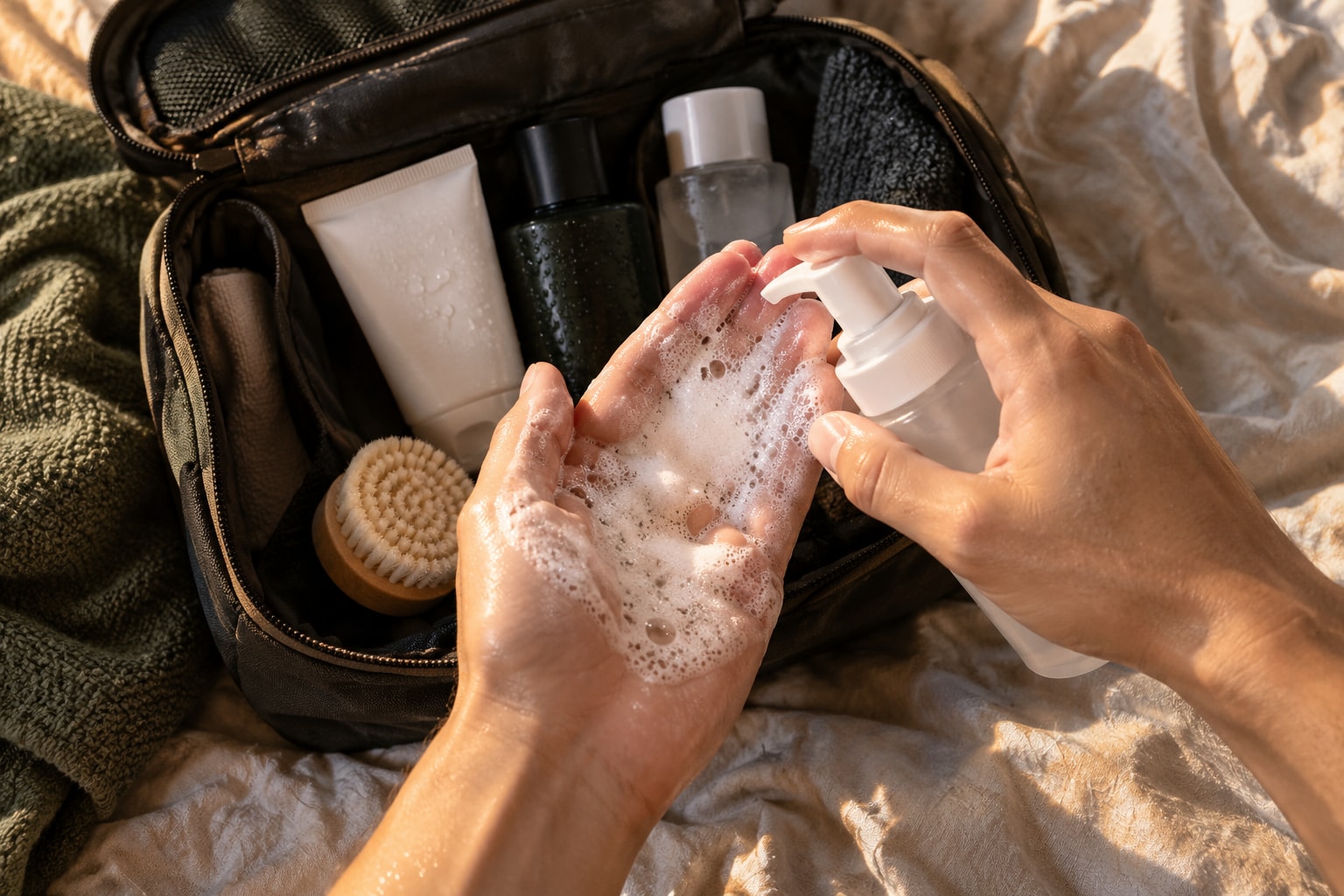
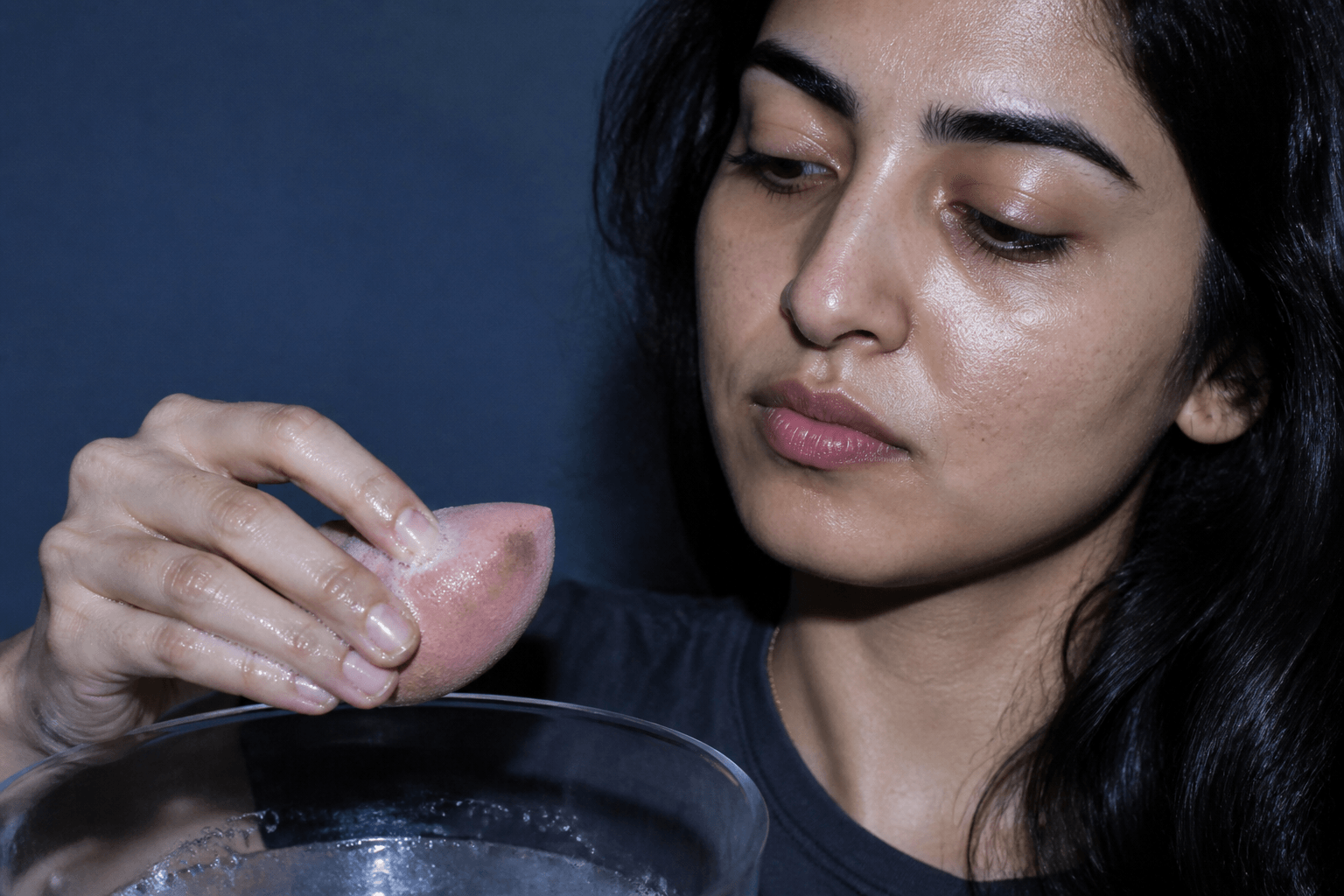
- Wash it after every use with warm water and a few drops of liquid cleanser or soap.
- Work the cleanser through the sponge for about 15 seconds without tearing it.
- Rinse under warm running water until the water runs clear.
- Press out excess water with clean hands.
- Leave it to air-dry fully on a clean paper towel in an open, dry place.
Don't seal a damp sponge in a makeup bag, because the US Food and Drug Administration says some microbes grow faster in warm storage. Keep the bag and any storage case clean as well.
Soap and thorough drying are the practical default. The salon disinfection study doesn't establish a safe home recipe, so follow dermatology and manufacturer directions instead of improvising with bleach or rubbing alcohol.
Wash your hands before cleaning or using the sponge, and don't share it. If a professional applies your makeup, ask for a clean disposable applicator or a properly disinfected reusable tool.
When to replace it instead of washing it
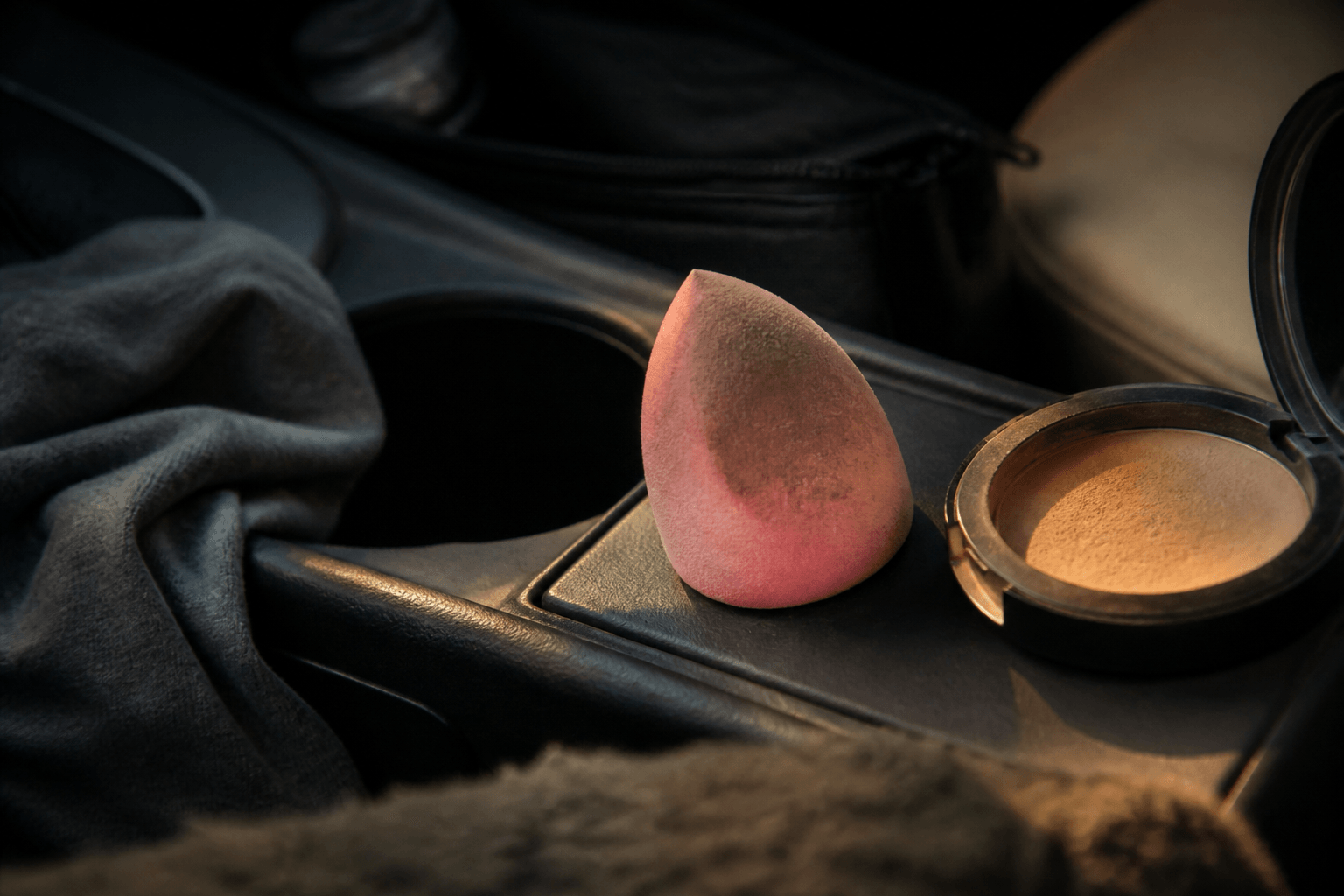
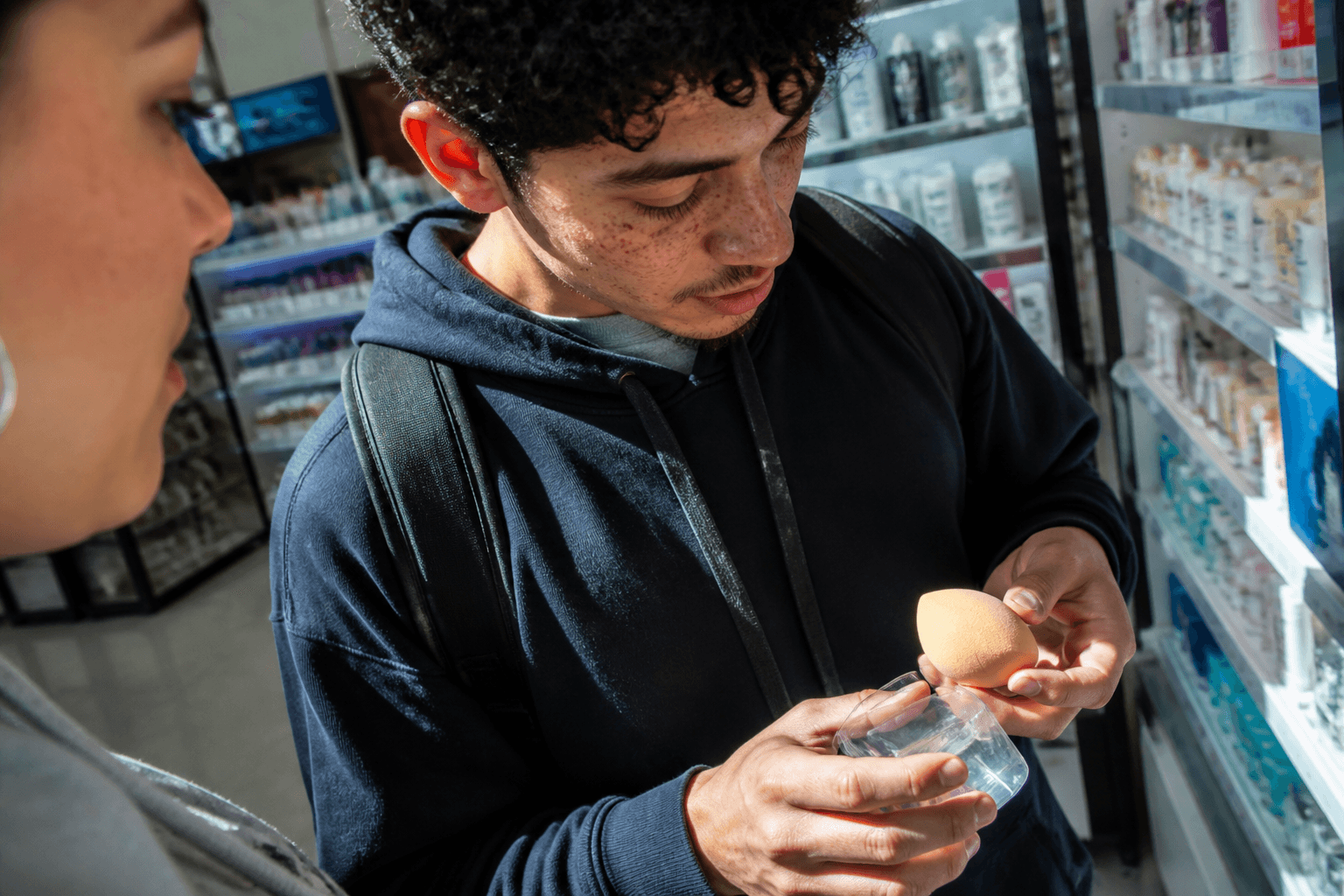
Cleaning isn't restoration, so replace a sponge with a persistent bad smell, visible mould, deep cracks, crumbling foam, or stubborn stains. Throw it away after it falls on a dirty floor rather than trying to rescue it.
There isn't a research-backed replacement date for every sponge, since use, drying, and manufacturer directions vary. Condition is more useful than a viral rule such as “replace every 30 days.”
Check the makeup too, since dermatology guidance says to discard cosmetics that smell bad or change colour, texture, or consistency. A clean applicator will become contaminated again if the product itself has spoiled.
A simple way to test whether your sponge is a trigger
Change one thing at a time so the result is easier to read.
For four to eight weeks, stop using the old sponge. Apply the same non-comedogenic makeup with clean hands or a fresh, correctly cleaned applicator. Keep your cleanser, acne treatment, diet, and other makeup unchanged where practical.
Take one face photo each week in the same place and light. Track new spots in the areas where you normally use the sponge, rather than judging redness from one close selfie. Bathroom lighting, phone sharpening, and makeup removal can all change how texture looks.
Keep the photos private. You don't need public before-and-afters to test a hygiene change.
Improvement makes the sponge routine a plausible contributor, but it can't identify microbes, residue, friction, or reduced contact with makeup. No change points you back toward the product formula, your acne treatment, or another trigger.
Don't restart with the old sponge to “confirm” the result, since re-exposure adds little and could flare your skin. Use a clean replacement and keep the safer habit.
When the bumps may not be acne
A sudden itchy, burning, scaly, or sharply outlined rash may not be acne, and photos alone can't identify the cause safely.
Stop using the sponge and the newest makeup product if you develop a sudden rash. Seek medical care promptly for spreading redness, marked pain, warmth, swelling, pus, fever, or eye symptoms. A dermatologist can check persistent bumps and choose treatment without guesswork.
FAQ
Should you wet a makeup sponge before every use?
Follow the product's directions; if it is designed for damp use, wet it with clean water, squeeze it well, and use it straight away. Wash it after application, then let it dry in open air. Don't add water directly to the makeup container because that can weaken its preservative system.
Is a brush better than a sponge for acne-prone skin?
Neither tool is automatically better, since a clean brush may dry faster while a sponge allows less sweeping. Product choice, gentle application, cleaning, and not sharing matter more than the tool's shape.
Can you clean a makeup sponge with only water?
Water can remove loose colour, but it isn't the recommended cleaning method. The 2021 applicator study found that bactericidal soap reduced cultured colonies far more than water. At home, use warm water with liquid cleanser or soap, then rinse and dry the sponge fully.
How long will acne take to improve after changing the sponge?
There is no sponge-specific timeline, and product-related blemishes can take time to settle. Acne treatments often need four to eight weeks to show early improvement. If painful, deep, or scarring spots continue, see a dermatologist rather than changing tools repeatedly.