Quick answer
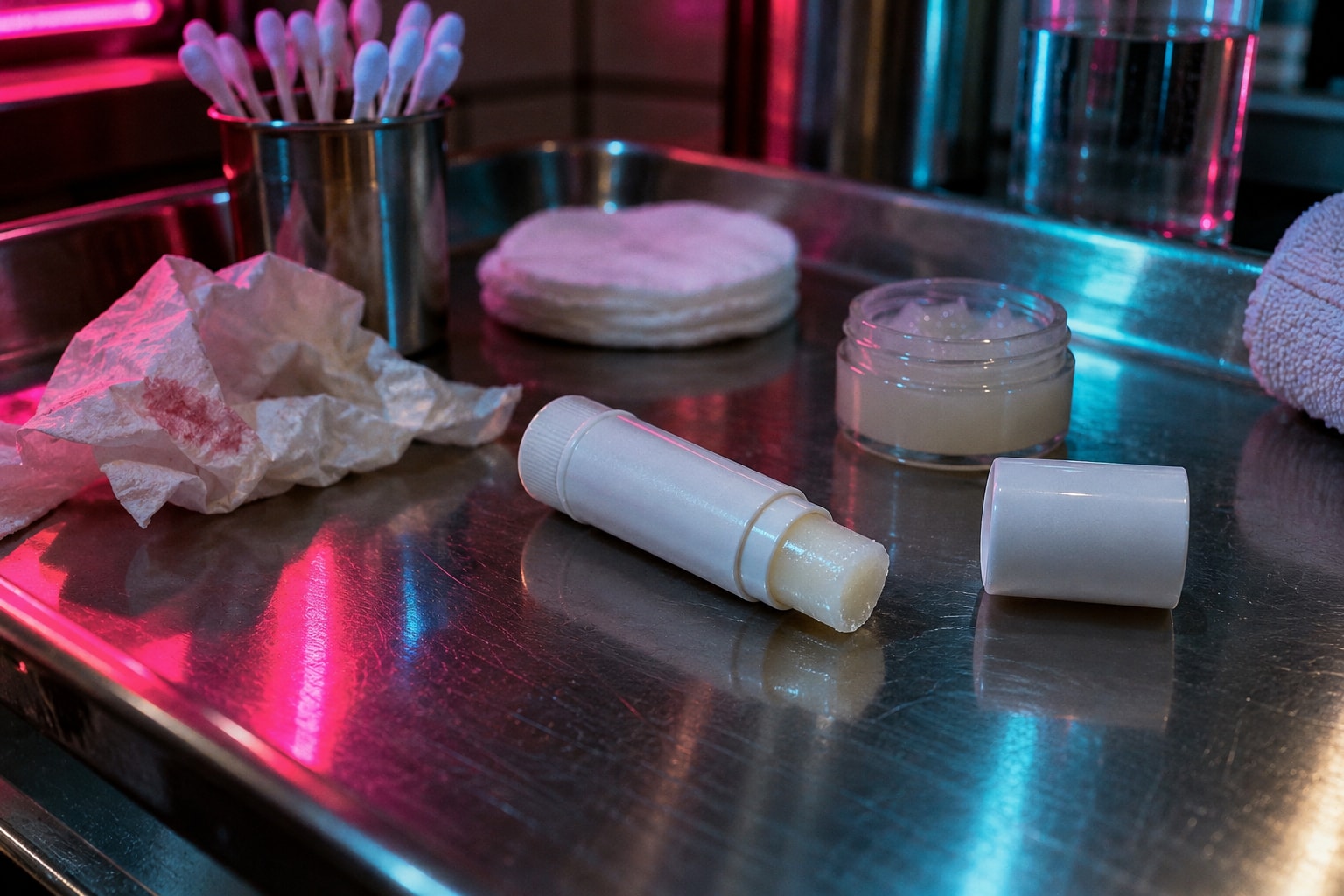
Peeling skin around the nose after a cold usually comes from repeated wetting, wiping and dry air. That cycle weakens the outer skin barrier, so the area becomes tight, sore and flaky.
Treat the outer skin gently. Blot instead of rubbing, pause products that sting, and apply a plain cream or a thin layer of petroleum jelly. Get medical advice for increasing pain, warmth, swelling, yellow crusts or sores inside a nostril.
Why a cold can damage this small area
A runny nose keeps the skin wet, then tissues remove moisture and surface oils. Each wipe adds friction. Cold outdoor air and dry heated rooms can make the same patch less able to recover.
This has been measured, although the evidence is small. A study in Contact Dermatitis followed 14 women during a common cold. At peak symptoms, researchers found more water loss, redness and scaling around the nose than after recovery.
The study has clear limits. It included only 14 people, all women, and did not compare repair products. It also could not separate the effects of mucus, tissues and weather. Still, it confirms that a cold can cause measurable barrier damage around the nose.
DermNet describes this pattern as cumulative irritant contact dermatitis. Water, friction and repeated low-level irritation can damage skin faster than it repairs itself. Once that happens, adding more scrubs or active ingredients usually keeps the cycle going.
A simple routine while your nose heals
1. Cut down the friction
Use the softest fragrance-free tissue you can find. Press or blot rather than dragging it across the same strip of skin. If mucus has dried on the outside of your nostrils, soften it with lukewarm water before patting dry.
Do not pull off loose flakes. That can expose tender skin underneath and restart the sore, wet, flaky cycle.
2. Strip back your skin care
Clean the area with lukewarm water and a mild, fragrance-free cleanser only when needed. Avoid hot water and washcloth scrubbing.
Pause retinoids, benzoyl peroxide, exfoliating acids and grainy scrubs on the damaged patch. Restart them only after the skin no longer feels raw, stings or peels. You can keep using them elsewhere if they do not spread onto the sore area.
Makeup is optional, not treatment. If concealer catches on flakes or burns during removal, leave that patch bare for a few days.
3. Add moisture, then protect it
Apply a fragrance-free cream or ointment to slightly damp outer skin. The American Academy of Dermatology recommends creams and ointments over lotions for dry skin because they hold moisture better.
For a badly chapped patch, add a thin film of plain petroleum jelly. It reduces water loss and protects the surface from more rubbing. Apply it only to the external skin around the nostrils, using a clean fingertip.
More product is not better. A visible greasy coat will wipe onto the next tissue, while a thin film can be replaced after you blow your nose. If you tend to break out around the nose, keep it on the damaged patch rather than coating the whole area.
4. Keep the routine boring
You do not need a barrier serum, facial oil, healing mist and overnight mask at once. Several new products make it harder to identify the one that stings or causes bumps.
Use one plain moisturiser and, if needed, one protective ointment. Give the skin time to settle after the runny nose and repeated wiping stop.
Prevent another raw patch during the same cold
Start protecting the area when frequent nose blowing begins, not after it cracks. Keep tissues and your chosen moisturiser together so reapplying takes seconds.
A small humidifier may help if indoor air feels dry. Keep it clean according to its instructions. Humidity will not cancel out rough wiping, so friction control still matters.
If allergies or a long-lasting runny nose are driving the problem, ask a pharmacist or clinician about treating that cause. Less drainage means less wiping, but skin care cannot treat the infection or allergy itself.
What not to put on peeling skin
Skip anything that burns, tingles or promises rapid peeling. Pain is not proof that a product is repairing the barrier.
Avoid homemade acid treatments, facial scrubs and undiluted fragranced oils. Do not apply an antibiotic or steroid around the nostrils by guesswork. A clinician should first check whether you have dermatitis, infection or another cause.
Petroleum jelly belongs on the outside patch, not deep inside your nose. Mayo Clinic notes that long-term use inside the nostrils can rarely allow oily material into the lungs. For internal dryness, ask a pharmacist about a saline spray or water-soluble nasal gel.
Signs this may be more than post-cold peeling
Simple irritation should start settling once the runny nose and wiping ease. Get it checked if the patch keeps returning between colds, spreads, forms a persistent rash or does not improve with gentle care.
Painful sores, pimple-like bumps, bleeding or yellow crust inside a nostril can fit nasal vestibulitis. Cleveland Clinic describes this as an infection at the entrance of the nose. It may need prescription treatment.
Seek prompt medical care if redness or swelling spreads, the area feels hot, pain is increasing, or you feel unwell. Those signs are different from a dry patch that only feels tight and flaky.

FAQ
How long does peeling around the nose take to heal?
There is no reliable fixed timeline. Mild peeling should improve after the runny nose and friction stop, but cracked skin takes longer. If it is worsening or not starting to settle, ask a clinician to examine it.
Can I use petroleum jelly around my nose?
Yes, on the external skin. Apply a thin layer to clean, slightly damp skin and replace it after wiping. Do not pack it inside the nostrils, especially as a long-term nightly habit.
Why does moisturiser sting on the peeling area?
Raw skin may not tolerate a formula that felt fine before. Rinse off any product that keeps burning, then try a plain fragrance-free cream or ointment. Stinging is a reason to simplify, not to push through.
What if the flaking continues after my cold is gone?
The cold may have exposed another skin problem rather than caused all of it. Recurrent scale in the nose creases, a spreading rash or persistent soreness deserves a pharmacist, GP or dermatologist review.