Quick answer
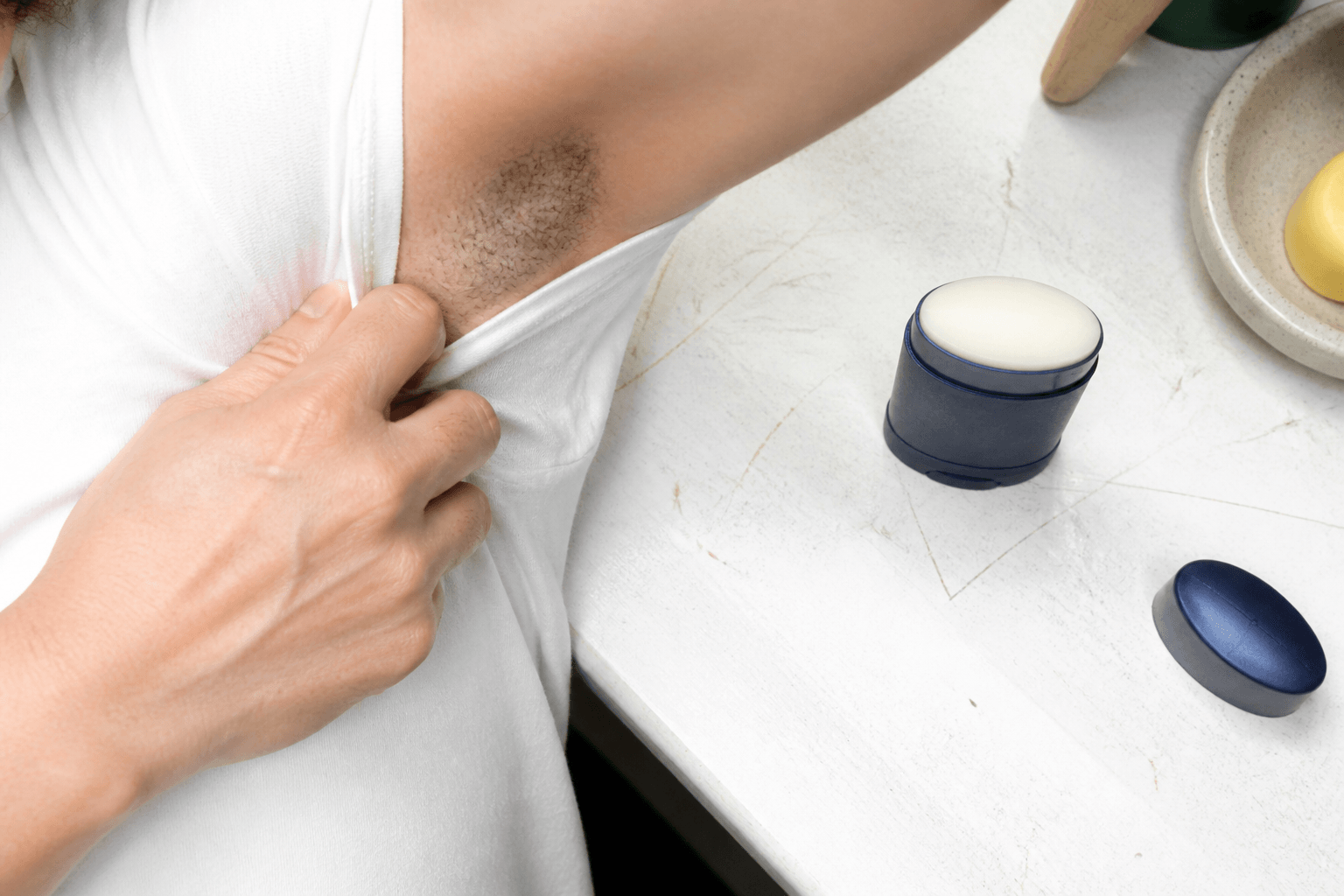
Why does one armpit smell worse? One side may differ in sweat, skin bacteria, product coverage, or odor held by clothing. Research shows that left and right armpits can host slightly different microbes, but it doesn't show that either side should always smell stronger.
Start with a controlled one-week check, keeping your cleanser, clothing, and underarm product consistent before you buy stronger products or blame your hygiene.
The smell starts with sweat and skin bacteria
Fresh underarm sweat has almost no smell. Skin microbes break down its compounds and release odor into the air. The American Society for Microbiology names Corynebacterium and Staphylococcus among the common bacteria involved.
Your armpits are separate patches of skin, so moisture, microbes, product, and fabric contact can differ between them.
A PLOS ONE study sampled both armpits of 53 healthy adults, and about 49% had some left-right difference in bacterial profiles. Most differences were minimal, and average similarity between sides was 87%.
That finding makes side-to-side differences possible, but it doesn't prove that the microbes caused a smell you could detect.
A 2011 FEMS study of ten healthy men also reported right-left differences in bacterial activity, though the sample was small and male-only. It did not record handedness or measure odor intensity, so there is no evidence for a fixed “bad side.”
Four things to check before changing products
1. Uneven product coverage
Antiperspirant reduces how much sweat reaches your skin, while deodorant targets odor without reducing sweating in the same way. Mayo Clinic says antiperspirant works better on dry skin and with daily use.
One damp underarm or a rushed swipe can make coverage uneven, so apply the same product to fully dry skin on both sides. Follow its label rather than adding extra layers.
2. Odor trapped in one side of a shirt
Mayo Clinic notes that odor can cling to clothes. During your comparison, treat a tight sleeve, bag strap, or one-sided seam as a variable to test.
Use a freshly washed top during your check, and treat the garment as the main clue if only one shirt panel smells.

3. More moisture on one side
Warm, moist underarms help odor-forming microbes thrive, so compare wetness and smell as separate signals. A wetter side points toward sweat or uneven antiperspirant coverage, not poor cleanliness.
Exercise, heat, and stress can change sweating from day to day, so compare days with similar heat and activity.
4. Irritated skin
Itch, burning, redness, or scaling points toward irritation from a deodorant ingredient or repeated washing on that side.
Mayo Clinic warns that stronger underarm products can cause rash, swelling, and itching. Stop the suspect product if your skin reacts, and do not cover the reaction with more fragrance.
Run a simple seven-day side-to-side check
This troubleshooting routine is not a medical test; its job is to change one variable at a time.
- Pick an ordinary week and keep your underarm products unchanged.
- Wash both sides with the same mild soap, or use a soap-free cleanser if skin is irritated. Rinse and dry fully.
- Apply your product the same way on both sides, then let it dry before dressing.
- Wear a freshly laundered top, and on day four try a clean shirt with a looser arm opening.
- Check once at the same time each day, scoring wetness and odor separately from zero to three.
- Note exercise, unusual heat, a tight strap, shaving, or a missed application.
Check once daily. More checks add noise and aren't needed.
At the end, look for a pattern, since a difference that disappears with equal application points toward coverage. If only the garment smells, focus on laundry and fit.
If one side stays wetter, an antiperspirant may suit that problem better than deodorant alone. If both sides stay dry, stronger sweat control may not address an odor-only problem and can irritate.
What to change safely
Keep each change tied to the difference you observed.
- If the smellier side is wetter, apply an antiperspirant the same way on both dry underarms.
- If wetness is equal, changing sweat control may not help; check product coverage and clothing again.
- If only one shirt panel smells, wash the garment according to its care label before changing skin products.
- If one side reacts to a product, stop that formula and ask a pharmacist or clinician about a simpler option.
Do not try to sterilize your armpit with bleach, rubbing alcohol, concentrated acids, or hard scrubbing. The NHS contact dermatitis guide lists soaps, solvents, acids, and alkalis among common irritants.
When to get medical advice
Contact a clinician if the change is sudden, keeps returning, or does not improve after your controlled check. The NHS body odor guidance also advises care for a changed smell or a sudden rise in sweating.
Book an appointment sooner if the skin develops a rash, swelling, or persistent itching after an underarm product.
Some medicines can change sweating or body odor, but do not stop a prescribed medicine on your own. Ask your prescriber or pharmacist whether the timing fits.
FAQ
Is it normal for one armpit to smell worse?
Side-to-side differences can happen, and the 53-person PLOS ONE study found some microbial asymmetry in about half the group. Most differences were small. If the difference is steady and your skin looks normal, test equal product use and clean clothing first.
Does your dominant armpit smell more?
There is no reliable rule that your dominant side smells worse, because a small study did not prove handedness caused its bacterial differences. Treat arm use, straps, and product coverage as clues to test, not answers.
Can armpit bacteria differ between sides?
Yes. The PLOS ONE study found some left-right bacterial difference in about 49% of its 53 healthy participants. Most differences were minimal, and the study did not prove that they produced a noticeable odor.
Can one smelly armpit mean a health problem?
Smell alone cannot identify a disease, so get medical advice for a sudden change, much more sweating, persistent odor, rash, swelling, or itching.