Quick answer
Why does my wig make my scalp itch? Common causes include a tight fit, rubbing, a scratchy cap, heat, adhesive irritation, or a scalp condition already present.
Remove the wig if the itch becomes painful or you see a rash; see a dermatologist for persistent redness, scale, sores, or hair loss. Then check fit, cap, and adhesive separately instead of treating every itch as dry scalp.
Start with where and when it itches
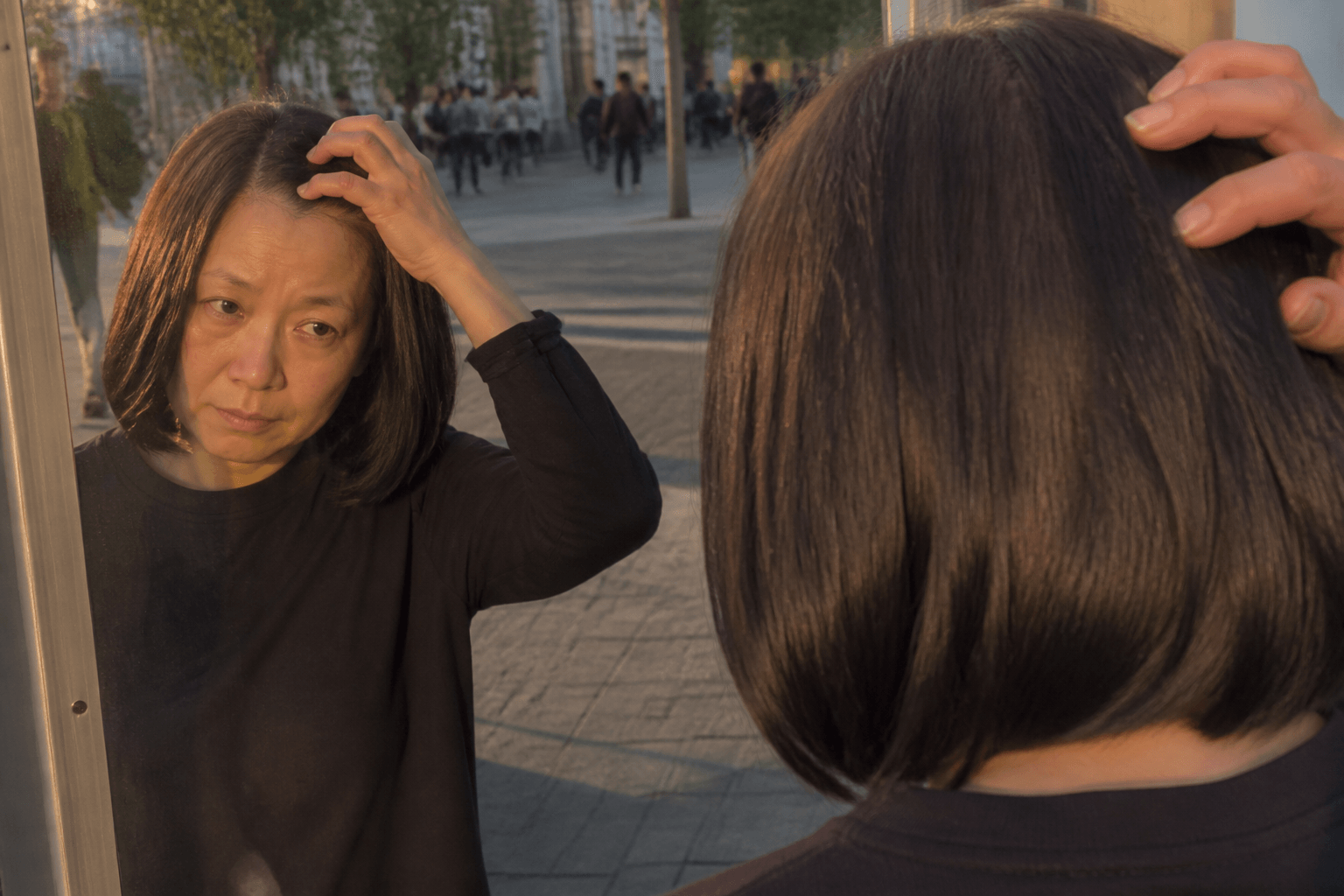
The pattern can narrow the cause, though it cannot diagnose it, so check your scalp in neutral light after removing the wig.
- Itching at the temples, hairline, or nape soon after fitting points toward pressure or rubbing.
- A rash matching the edge of tape or glue makes contact dermatitis more likely.
- Widespread flakes that were present before the wig may come from dandruff or another scalp condition.
- Patchy scale, broken hairs, tender swelling, or pus needs a medical exam.
Take one private photo if you want a record, using the same light each time and storing it somewhere you control. A photo can show whether the area is spreading, but it cannot identify an allergen or infection.
Five causes worth checking
1. The wig or style underneath is too tight
Pain and stinging aren't signs that a wig is secure; they are signs to loosen it.
The American Academy of Dermatology warns that repeated pulling can cause traction alopecia; tight braids, clips, combs, bands, and straps all add tension. Constant rubbing from a head covering can also damage hair, especially when the hair underneath is pulled tight.
Early clues include broken hairs around the forehead, a receding edge, or thinning where the wig grips, so loosen the straps and underlying style. If the wig shifts unless it hurts, ask a trained fitter to adjust the size or attachment method.
2. A cap, seam, or tucked hair is rubbing
A rough cap can scratch the scalp, while seams, clips, and loose hair ends may create one small itchy zone.
Smooth the hair underneath without pulling it flat, then check whether a seam sits directly over the sore area. If your wig design allows it, compare one short wear with a smooth, correctly sized cap and change only that variable.
More layers aren't always better because two tight bands can add pressure even when each feels soft on its own.
3. Heat, sweat, or residue is building up
Warm weather can make a covered scalp feel itchier as sweat, skin oil, and hair products remain under a cap and adjusting adds friction.
Keep your usual scalp-washing schedule, rinse products fully, and dry the scalp before putting the wig back on. Clean the cap and wig as their care labels direct. A wig that cannot be washed like normal hair may be damaged by hot water or household cleaners.
Don't assume more oil will fix the itch because heavy scalp oils can hide scale and make the pattern harder to see. They also won't treat an adhesive allergy or fungal infection.
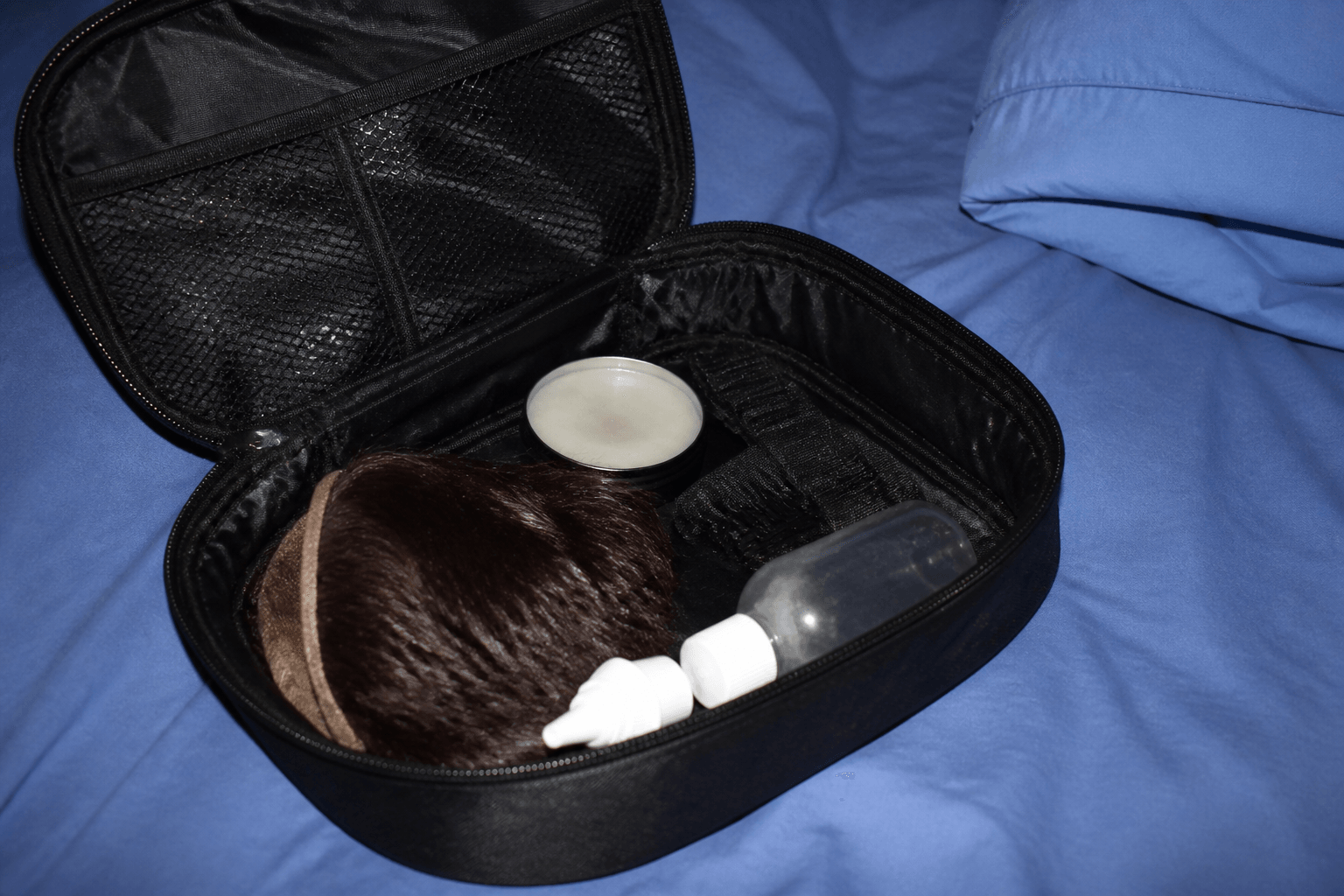
4. Glue, tape, fragrance, or synthetic material is causing dermatitis
Scalp allergic contact dermatitis can look like dandruff, causing itch, redness, white scale, crusting, or thinning. The rash can also reach the forehead, ears, or neck.
A 2024 clinical review specifically identified 2-ethylhexyl acrylate in some wig tapes as a reported allergen. A separate 2025 review found documented contact reactions linked to synthetic hair and related styling products, including concerns about acrylates, disperse dyes, and fragrance.
An allergy can appear after earlier trouble-free use, and symptoms alone cannot tell you which ingredient caused it.
Stop using the suspected glue, tape, or spray if a rash appears. Don't glue over sore or broken skin, and don't reapply a product just to prove the link. A dermatologist can arrange patch testing, sometimes using your own products alongside standard allergens.
5. The wig is exposing a scalp condition
The wig may get blamed because it makes an existing problem easier to notice. Seborrheic dermatitis, often called dandruff on the adult scalp, can cause itchy white or yellow flakes and greasy scale. Psoriasis and eczema can also itch and flake.
An over-the-counter dandruff shampoo may help a familiar mild pattern. Follow its label and ask a pharmacist if you are unsure which active ingredient suits you. See a clinician if the scalp is swollen, painful, draining, or unchanged after a fair trial.
Ringworm of the scalp needs a different plan. DermNet lists patchy hair loss, scale, broken hairs, black dots, pustules, and tender boggy plaques among its possible signs. It needs a clinician's diagnosis and oral antifungal treatment; shampoo alone cannot reach the infected hair root.
A low-risk way to find the trigger
Start only after the skin has settled; if it remains raw, swollen, or weeping, leave the wig off and get medical advice.
- Check the bare scalp, hairline, ears, and nape. Note the exact itchy area.
- Loosen the hairstyle underneath and remove any clip that presses on that spot.
- Try the cleaned wig for a short indoor wear, using the loosest secure fit.
- On a later wear, change the cap only. Keep the fit and products the same.
- If you use adhesive and have no active rash, ask the fitter about a different placement or attachment method.
- Record comfort, redness, flakes, and hair breakage after each wear.
This method won't diagnose allergy, but it can reveal a simple pressure point and give a dermatologist a clearer history if the problem continues.
What to avoid
- Don't scratch under the wig with a comb, pin, or fingernail. Broken skin raises the chance of infection.
- Don't apply alcohol, lemon juice, undiluted oils, or other DIY mixtures to inflamed skin.
- Don't tighten the wig to stop movement. Correct the fit instead.
- Don't share wigs, caps, brushes, or towels when infection is possible.
- Don't keep wearing a system that causes pain, crusts, or new thinning.
When to book an appointment
Arrange a medical review if the itch lasts after removing the suspected trigger, keeps returning, or disturbs sleep. Get checked sooner for spreading redness, facial swelling, drainage, open sores, tender lumps, or fever.
Hair changes also matter because new patches, broken hairs, a receding hairline, or smooth shiny areas may signal traction or another form of hair loss. Early assessment gives the follicle a better chance before damage becomes permanent.
Bring the wig cap, adhesive packaging, ingredient lists, and your brief wear log because that evidence beats trying several medicated products at once.
FAQ
Can a wig cap stop scalp itching?
It can help when a rough base, seam, or tucked hair is rubbing, but the replacement cap must fit without leaving a deep mark. A tight or hot cap may shift the problem, so compare one change at a time.
Can I be allergic to a synthetic wig?
Yes, contact reactions to synthetic hair and related products are documented, so stop contact if a rash appears and ask a dermatologist about patch testing. The fiber may not be the culprit; dye, fragrance, tape, glue, or styling spray can be involved.
Should I remove my wig if it starts itching?
Remove it if the itch is new, persistent, painful, or paired with redness, crusting, swelling, or hair breakage. Brief mild prickling may come from one misplaced seam, but pain is not a normal fitting step.
Does an itchy wig mean it is too tight?
Not always, because pressure-related itch usually follows the grip points and improves after loosening. Diffuse flakes, a tape-shaped rash, or patchy hair loss points elsewhere and deserves a cause-specific check.