Quick answer
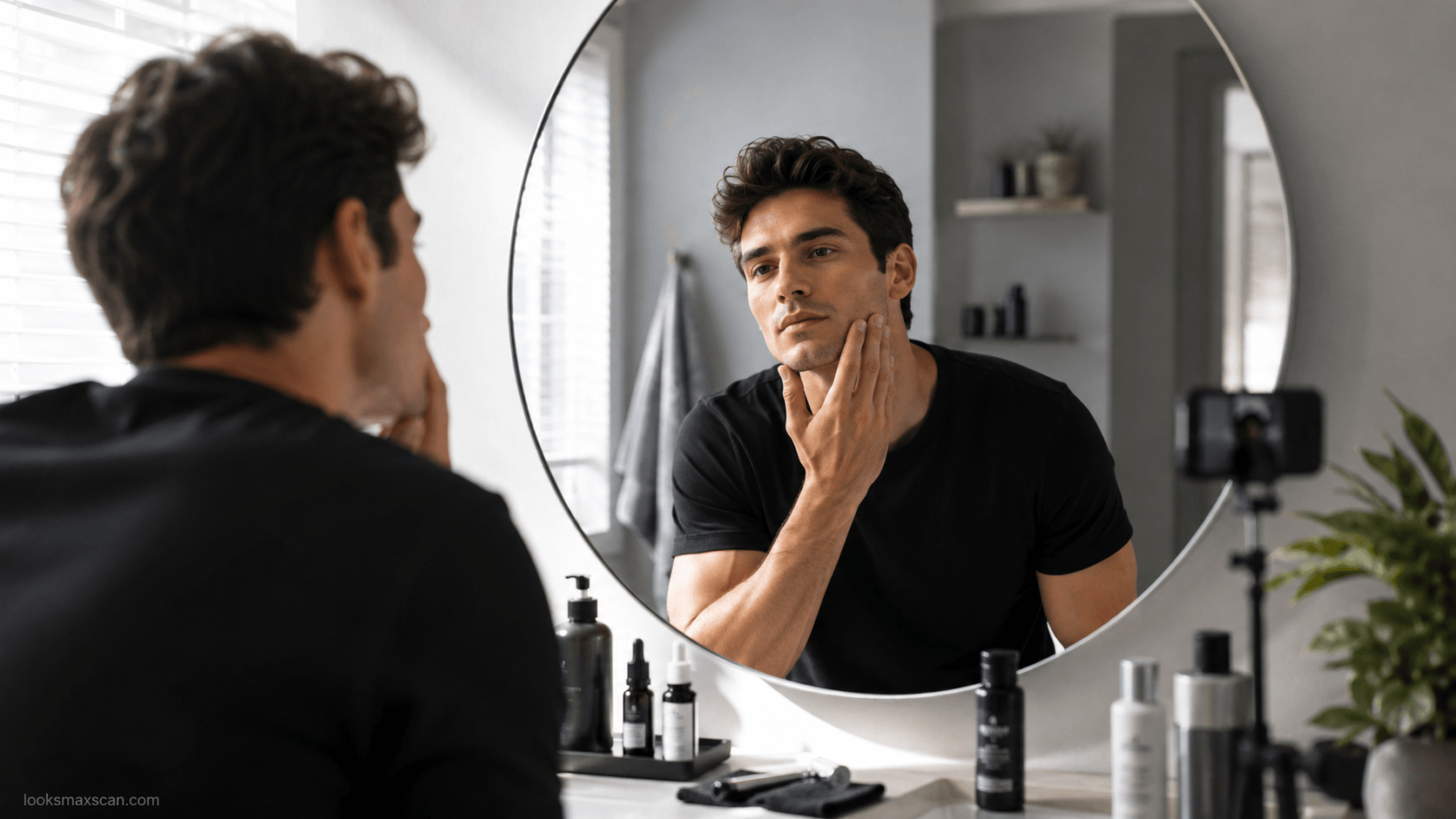
Facial harmony means the parts of the face work well together visually. It is not the same as perfect symmetry, a golden-ratio template, or a face rating out of ten. Harmony can include proportions, balance, skin quality, hair, facial hair, grooming, expression, posture, and lighting.
For practical looksmaxxing, facial harmony is a better concept than rating because it points toward improvements you can actually make. Clearer skin, calmer redness, less distracting shine, better sleep, more flattering grooming, and consistent photos can improve the overall impression without pretending to change your identity.
Why this is trending
Searches for facial harmony are growing because people are tired of crude face ratings but still want structured feedback. A rating gives a number. Harmony asks why the image works or does not work. That is more useful.
The term also appears in cosmetic, orthodontic, styling, and looksmaxxing discussions. Some people use it responsibly to describe balance. Others use it to sell impossible templates. The difference is whether the advice respects normal variation and limits.
Social media often reduces harmony to bone structure. That misses the obvious. A face with good lighting, healthy skin, relaxed expression, and well-matched grooming can look more harmonious than the same face under harsh overhead light with irritated skin and a tense expression.
What the evidence says
Attractiveness research has looked at symmetry, averageness, sexual dimorphism, skin cues, and other factors. No single measurement explains everything. Human perception is holistic. People do not evaluate a face by inspecting one landmark ratio in isolation. They see the total image.
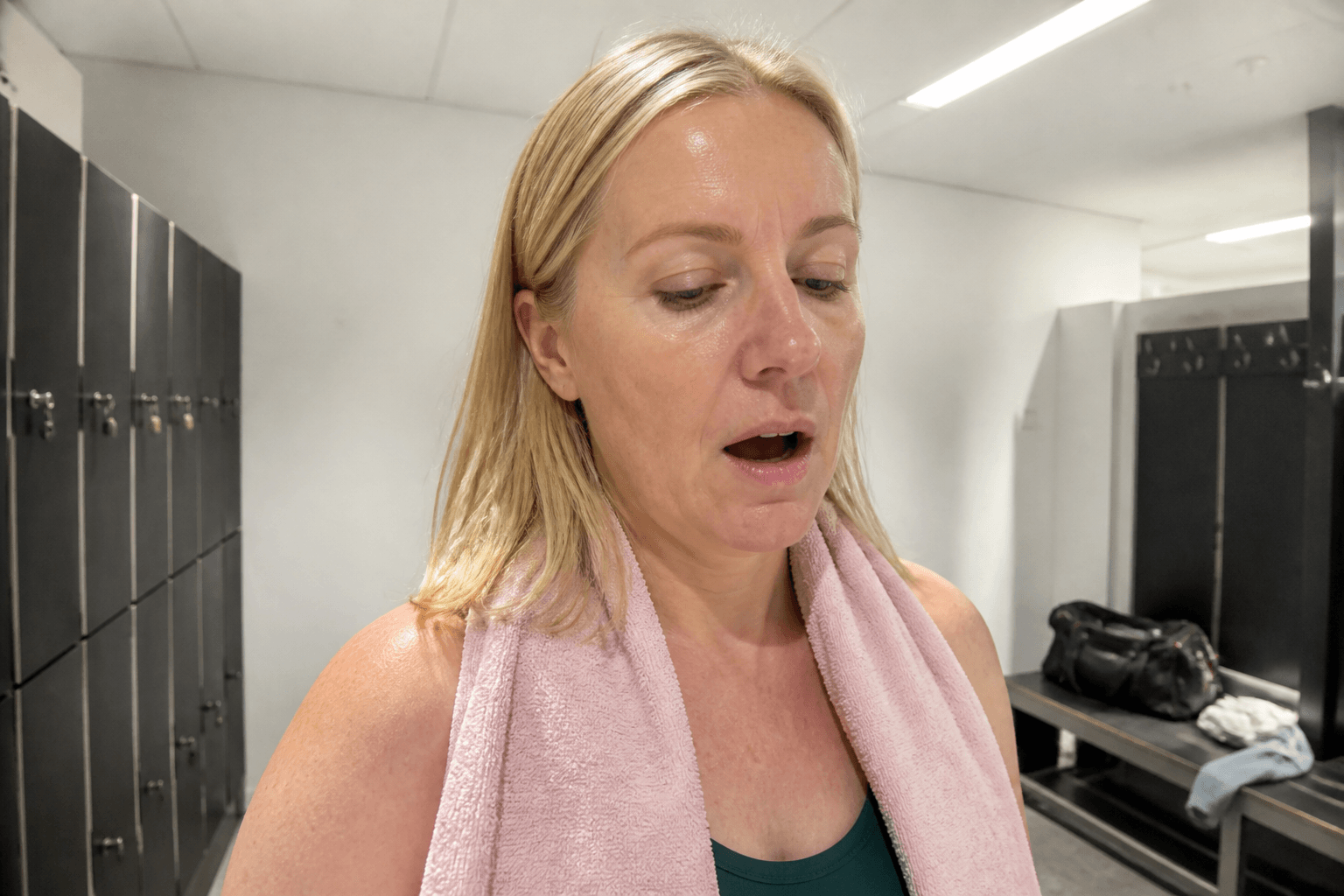
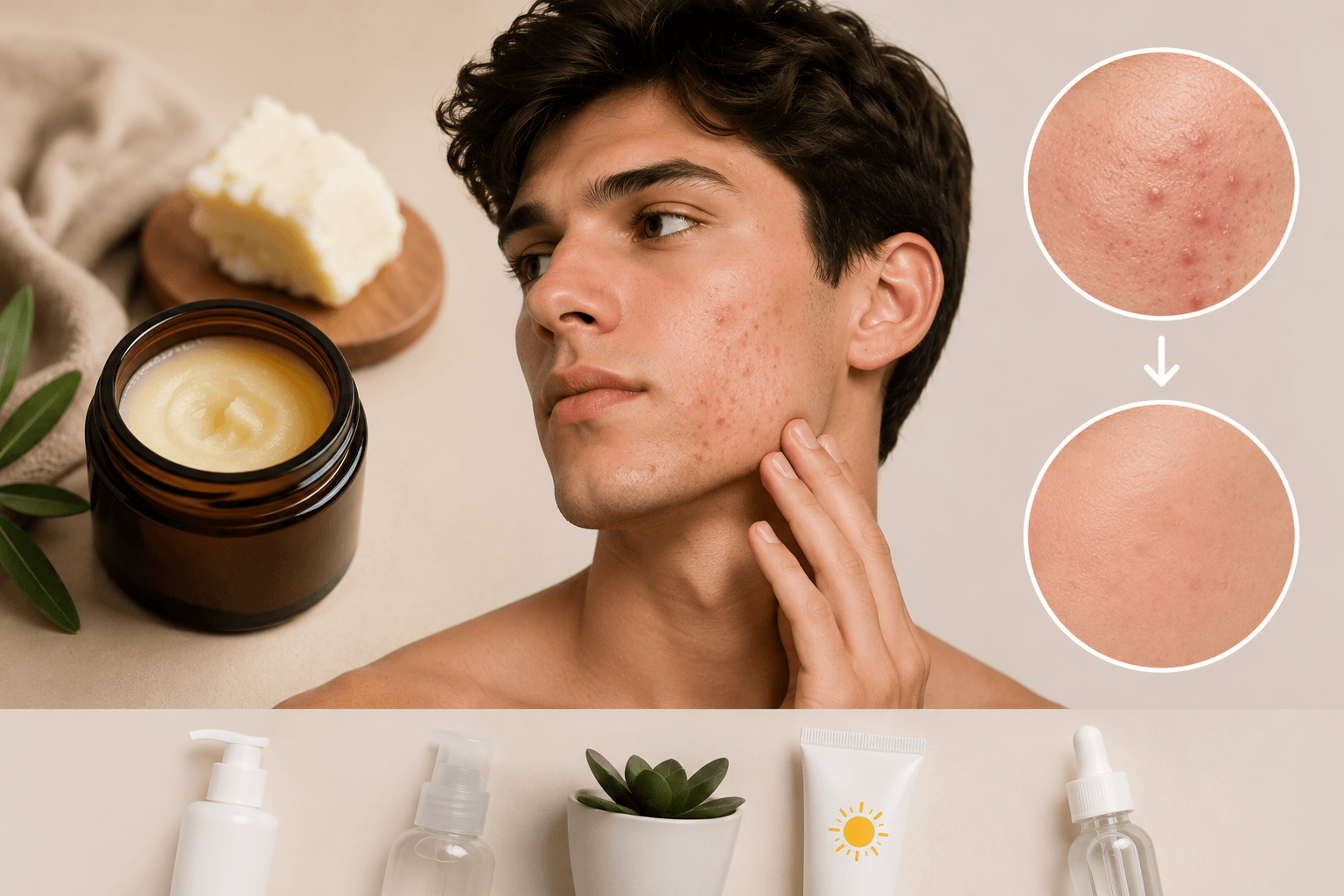
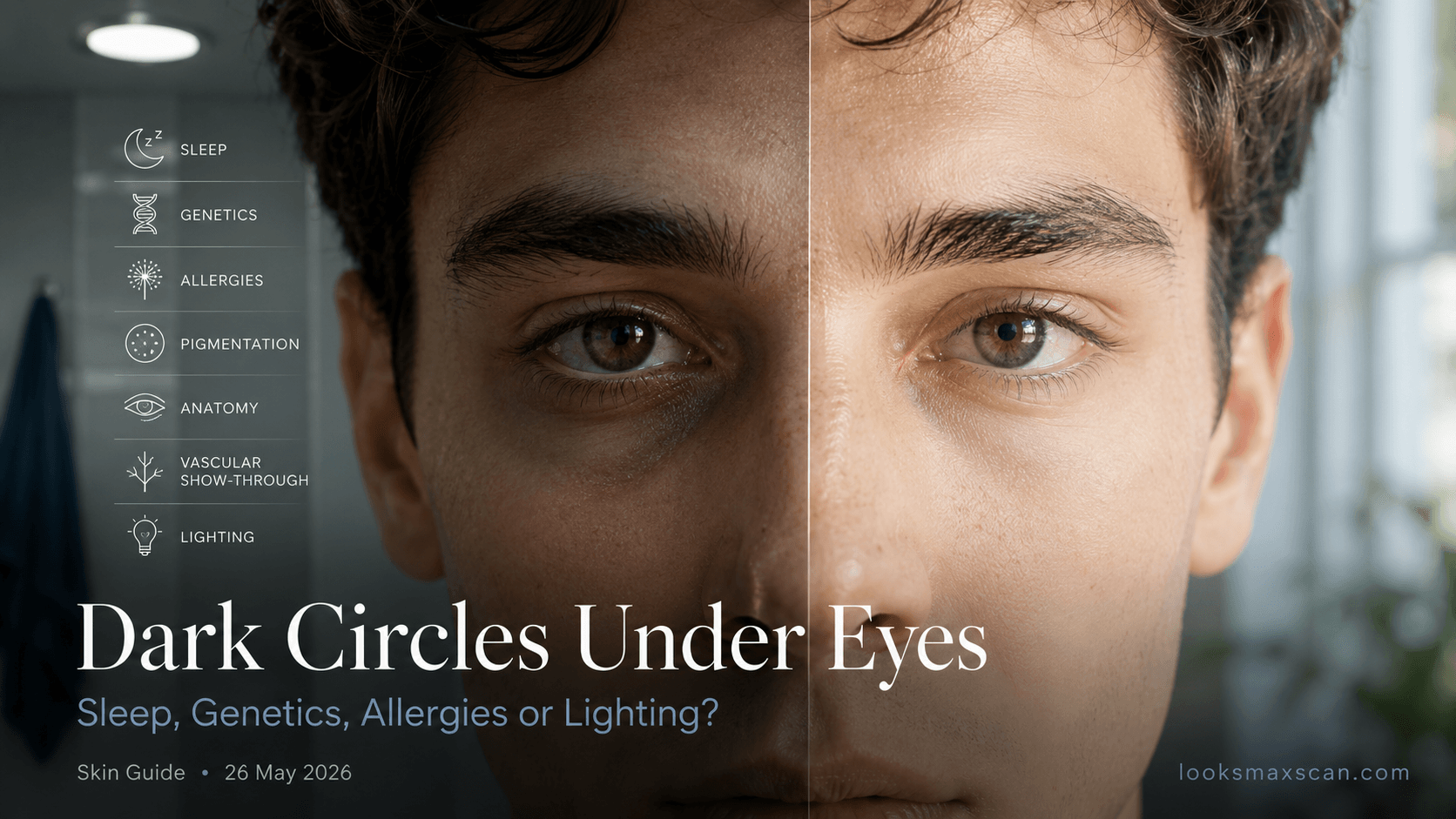
Skin quality is a major part of that total image because it affects perceived health, age, contrast, and evenness. Redness, acne, dark circles, and excess shine can pull attention away from features. That is why a skin scan can be relevant even when the user's question is about "facial harmony" rather than skincare.
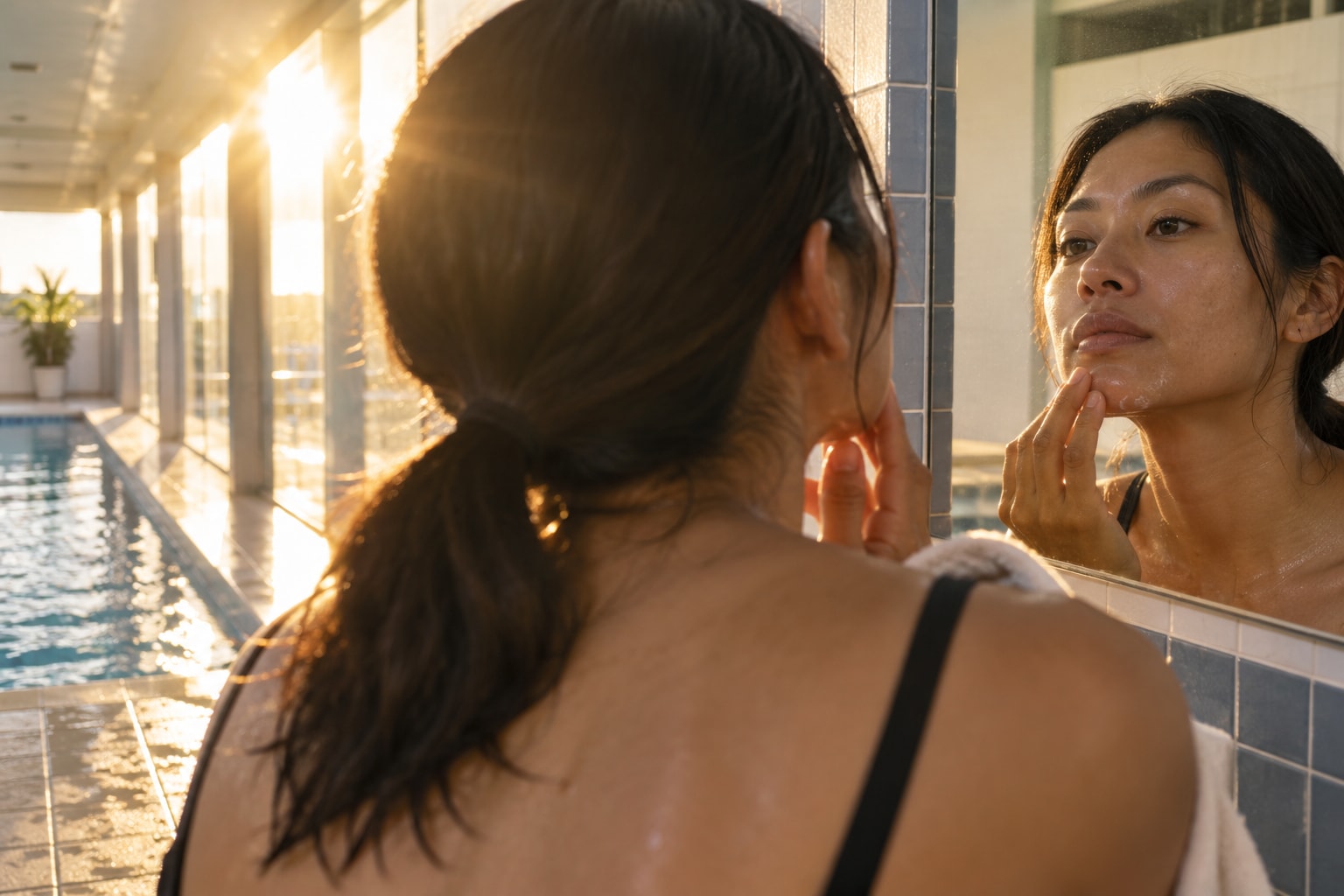
Lighting and camera distance also matter. A close selfie can widen the nose and distort proportions. Overhead light can deepen under-eye shadows. Side lighting can exaggerate texture. A fair assessment requires fair inputs.
What LooksMax Scan can help you check
LooksMax Scan helps with the skin side of facial harmony. It breaks the face into visible metrics: acne, pores, redness, oiliness, and dark circles. Those metrics do not tell the whole story, but they identify common distractions that affect how the face reads in photos.
If acne is clustered around the chin, the lower face may look less clean even if the jawline is fine. If redness is high on the cheeks, the center of the face may look uneven. If oiliness is high on the forehead and nose, light may bounce in a way that makes photos look harsher. If dark circles are strong, the face may look tired even with good bone structure.
The scan is most useful when combined with a simple visual audit: hair, facial hair, clothing color, posture, expression, and lighting. Harmony comes from the whole presentation, not from one number.
What it cannot diagnose
LooksMax Scan cannot diagnose medical skin conditions, dental issues, jaw alignment, facial asymmetry causes, or body image concerns. It cannot tell you whether a cosmetic procedure is appropriate. It cannot replace a dermatologist, orthodontist, dentist, therapist, or qualified clinician.
It also cannot define beauty for everyone. Facial harmony is partly cultural and partly personal. A tool can measure visible signals; it cannot decide universal attractiveness.
Practical next steps
Start with the least risky harmony improvements. Take a clear photo in even natural light. Run a skin scan. Identify the highest visible skin signal. Then choose one change for that signal.
For acne, simplify triggers and avoid picking. For redness, reduce irritation and protect the barrier. For oiliness, avoid over-cleansing and use non-comedogenic products. For pores, stop treating every dot as a blackhead. For dark circles, test lighting and sleep consistency before assuming a product will fix everything.
Next, check presentation. Is the camera too close? Is your head tilted? Does your hairstyle hide one side of the face? Does facial hair sharpen or blur the jawline? Is the lighting making texture look worse than it is? These changes are reversible and often powerful.
Avoid the trap of chasing perfect ratios. A harmonious face is not a mathematically frozen face. It is a face that looks healthy, balanced, and natural in real life.
Run a private AI skin scan on LooksMax Scan.