Quick answer
The answer to “why does my pimple keep filling back up?” is usually that you removed visible fluid, but the inflamed follicle has not healed. Squeezing can push material deeper, worsen swelling, and create an opening for infection. Stop pressing it; a lump that keeps returning may need a dermatologist to check for a cyst or abscess.
Why does my pimple keep filling back up?
A pimple begins when oil and dead skin cells block a hair follicle, inflaming nearby skin and sometimes forming a white or yellow head.
Pressing out what you see does not end the process because deeper blockage and inflammation may remain beneath the skin. Fluid can collect at the surface again, making the pimple look “refilled” although it never healed between squeezes.
The American Academy of Dermatology warns that pressure often pushes some pimple contents farther into the skin. That raises inflammation and can make the spot larger, more painful, and more likely to scar. Broken skin gives bacteria a route inside, which can turn a picked spot into an infection.
There is no universal “core” to dig out, though dermatologists can extract suitable blackheads and whiteheads with sterile tools. Deep nodules, cysts, and infected lumps need a different approach.
Check how the spot behaves
You cannot identify every bump from a photo; its depth, pain, speed, and pattern tell you more than the color of its head.
- A small surface whitehead may flatten and settle once you stop touching it.
- A deep acne nodule or cyst feels firm and tender beneath the skin. It may never form a clear head.
- An infected pimple or abscess can become hotter, larger, and more painful. Redness may spread, and fever can occur.
- An epidermal inclusion cyst can look like a stubborn pimple. It may return after drainage because its capsule remains under the skin.
Do not test it with a needle; a clinician can examine a persistent lump and sample its fluid when needed.
What to do for the next 48 hours
First, stop squeezing, scraping, and checking with your fingernails, because each attempt adds pressure and can reopen the surface.
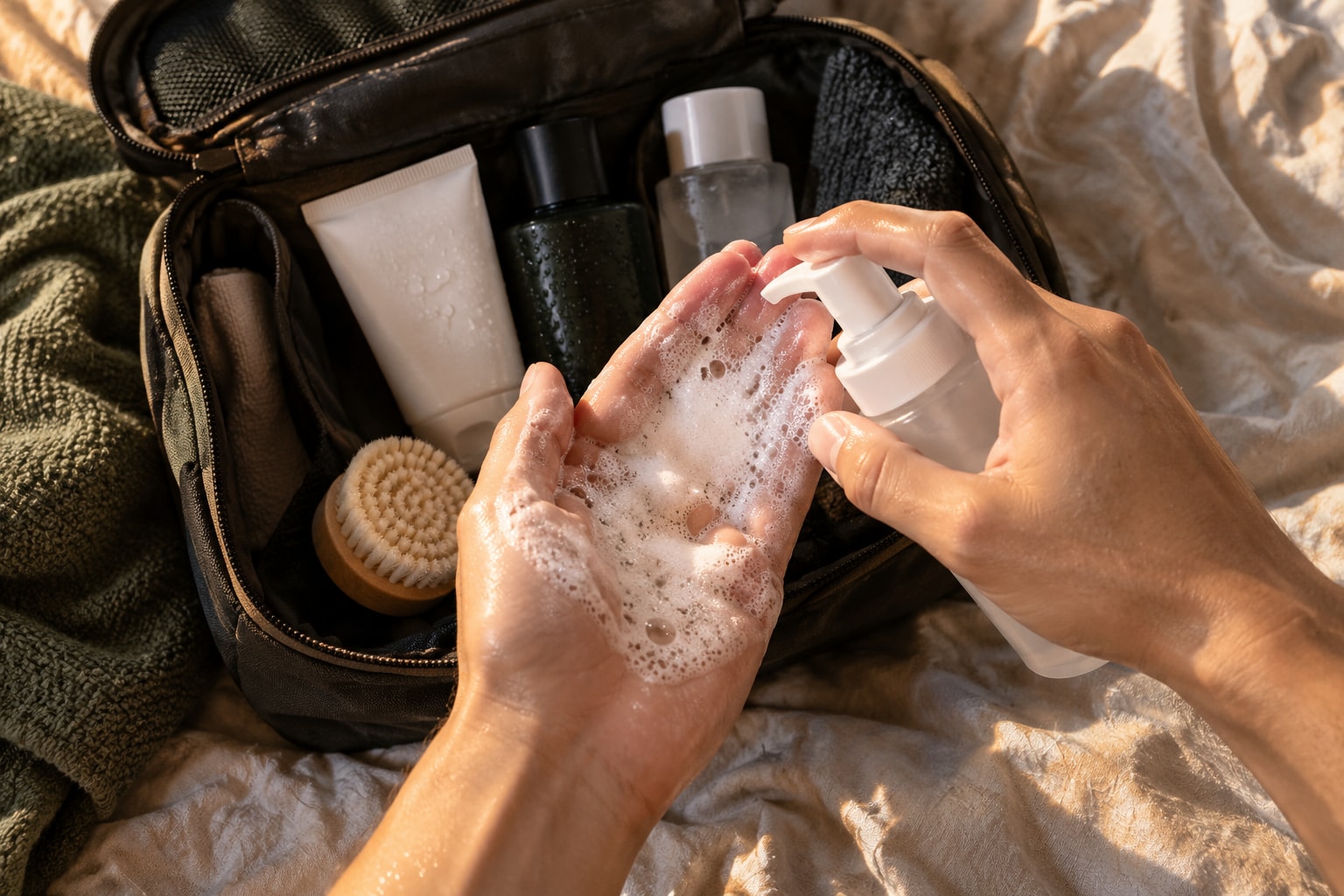
Wash the area gently, then hold a clean, warm, damp washcloth over the spot for 10 to 15 minutes. The American Academy of Dermatology recommends this three times daily for a deep, painful pimple, using a clean cloth each time.
If skin is intact, use one acne treatment that is available without a prescription where you live. Apply a thin layer as directed; options include adapalene, azelaic acid, benzoyl peroxide, or salicylic acid. Do not pile several actives onto one irritated spot.
A hydrocolloid acne patch can protect the area from your fingers and support healing. It may help a surface lesion, but it cannot remove a deep cyst capsule or treat an abscess.
If squeezing has left raw or bleeding skin, do not scrub it or keep testing strong products on it. Clean it gently, protect it from more picking, and watch for rising pain or spreading redness.
Why another squeeze usually makes things worse
The “empty it completely” approach treats a pimple like a container, but skin does not work that way.
Pressure can rupture inflamed tissue beneath the surface and force material inward while only a small amount escapes. The temporary flatness can be misleading, because swelling and fluid can return as the injury continues to heal.
Repeated picking makes progress hard to judge because you cannot tell whether the original lesion was settling or the latest squeeze restarted inflammation.
Hands off is an active step that gives the spot a fair chance to heal and makes any worsening pattern easier to see.
When the “same pimple” may be another type of lump
An epidermal inclusion cyst is one mimic; Cleveland Clinic explains that draining one releases its contents but leaves the capsule behind. The cyst can then grow back, and removing its capsule is a medical procedure rather than a home extraction task.
A skin abscess is another possibility, which the NHS describes as a painful, warm lump that contains pus. Some abscesses need professional drainage or antibiotics, and squeezing one can spread infection.
A spot that repeatedly bleeds, crusts, opens, or never heals deserves an examination because some non-acne growths can behave this way. That warning is not a diagnosis; a camera still cannot rule out a nonhealing growth.
These alternatives are not the likely explanation for an ordinary whitehead, but they matter when one distinct lump keeps returning or behaves unlike acne.
When to get medical care
Arrange an appointment with a doctor or dermatologist if the same lump lasts over two weeks, grows, repeatedly returns, feels deep, or starts to scar.
Seek prompt care when the area becomes hot, much more swollen, or severely painful. Fever, chills, fatigue, redness spreading away from the lump, or a spot near the eye also need quick assessment.
Do not wait on a bump that keeps bleeding or crusting without healing; a clinician should check it rather than assume it is acne.
Track the spot without feeding the urge to pick
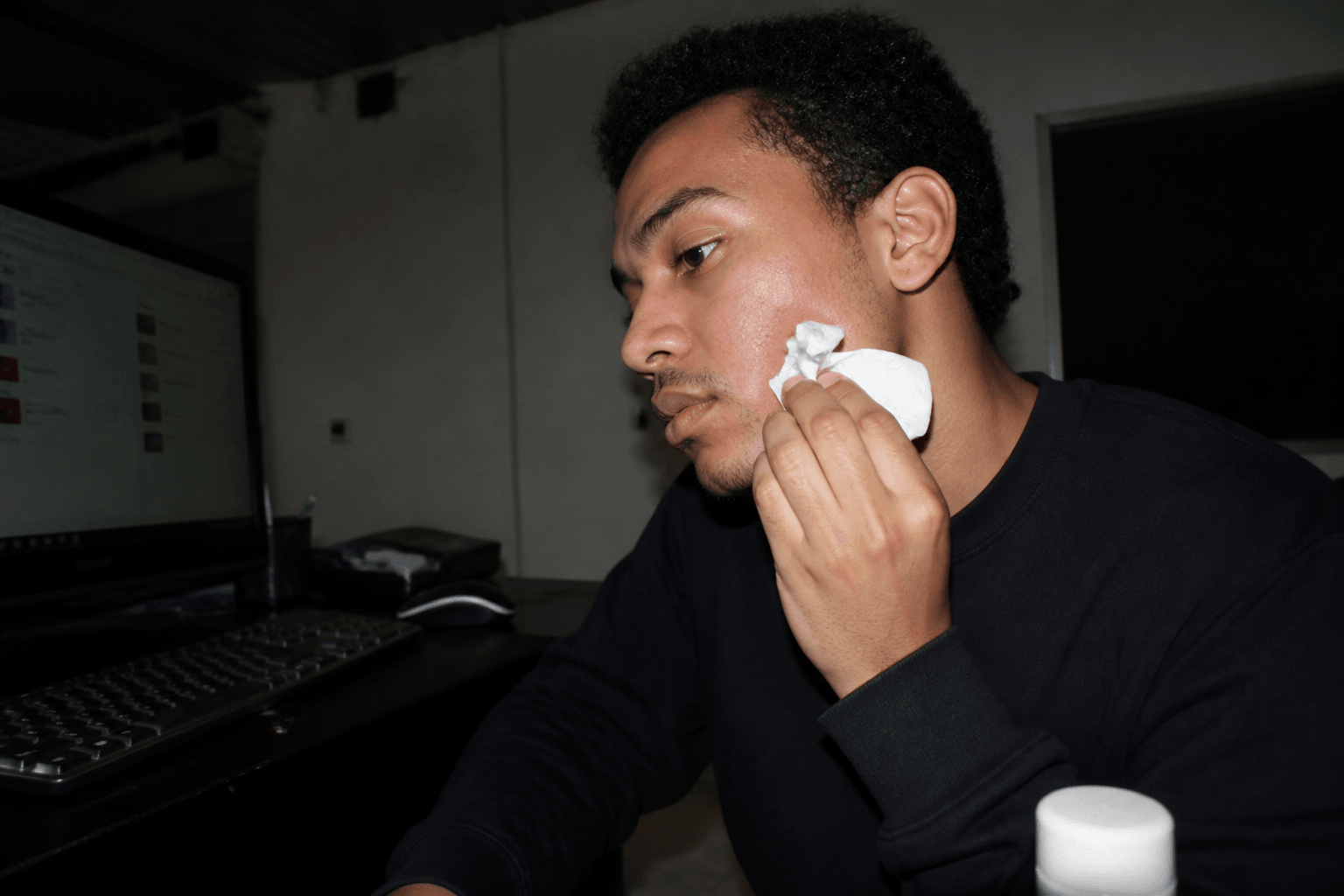
Take one clear photo before touching the area again, then record the date, pain level, and whether the lump grows without squeezing. Check once each day, not every hour, to see whether the spot is calming or cycling back.
Keep the image on your device if you prefer; tracking does not require an upload.
This short record can help a dermatologist, but a photo or skin scan cannot confirm a cyst or identify an infection.
FAQ
Should I squeeze it again if the white head returns?
No. A returning head means the lesion has not settled, not that you need to press harder. More squeezing raises the risks of inflammation, infection, pain, and scarring.
Can a hydrocolloid patch stop a pimple from refilling?
A hydrocolloid patch can protect a surface pimple and reduce picking. It does not remove a cyst capsule, drain a deep nodule, or replace treatment for an abscess.
Does refilling always mean the pimple is infected?
No. Ongoing acne inflammation can make a spot rise again without an infection. Increasing heat, severe pain, spreading redness, swelling, fever, or fatigue make infection more concerning.
How long should I wait before seeing a dermatologist?
Get a lump checked if it lasts more than two weeks, grows, or keeps returning. Seek care sooner for severe pain, spreading redness, fever, repeated bleeding, or a spot near your eye.