Quick answer
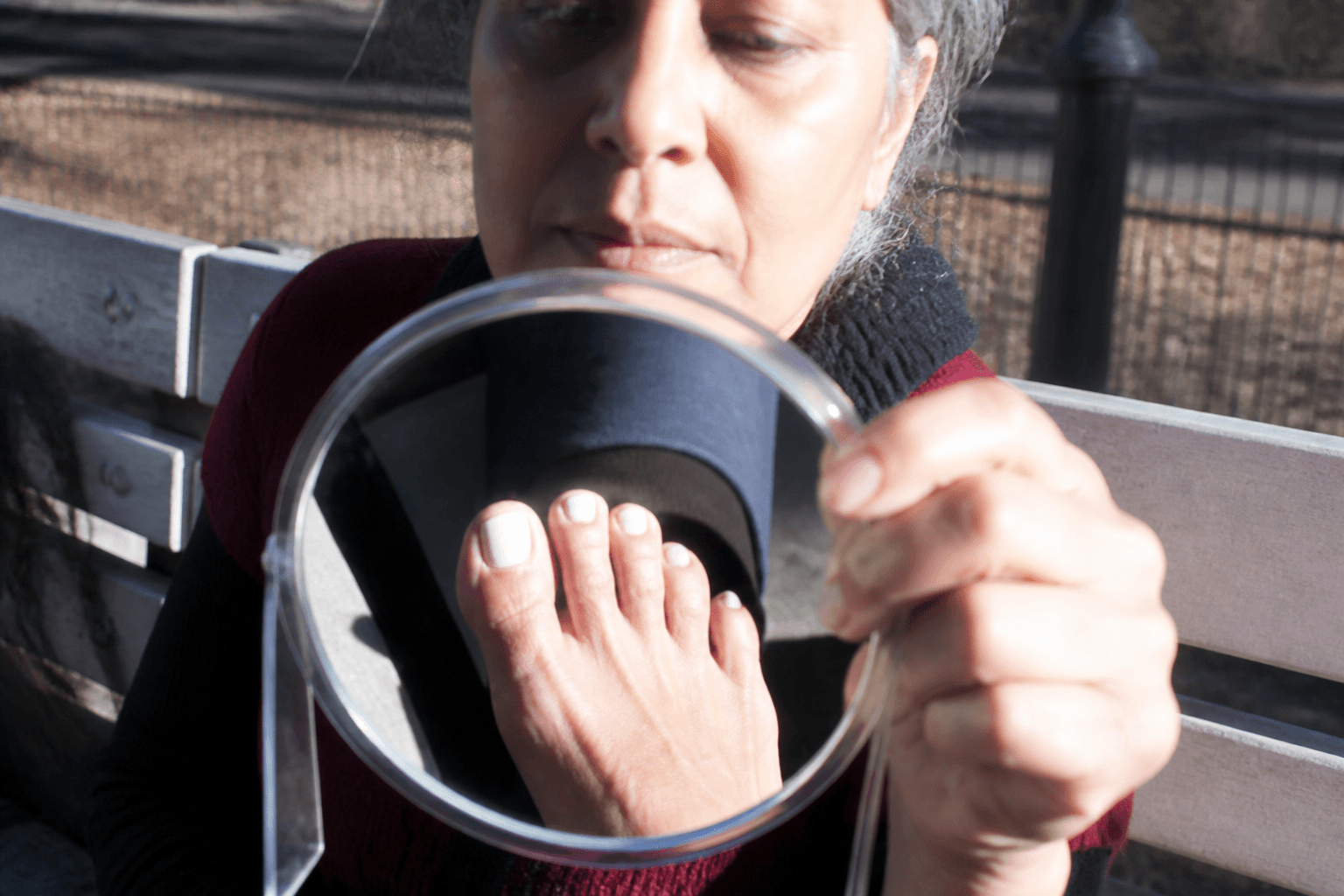
White chalky toenails after removing polish are often caused by keratin granulation, a rough change in the nail's top layers. It commonly follows long, repeated lacquer wear, while frequent remover use can dry and damage the nail surface. A fungal infection can look similar, so the timing alone can't diagnose it. Leave a flat, painless nail bare and moisturized, but seek an exam if it thickens, crumbles, lifts, hurts, or keeps spreading.
The most likely cause is surface damage
Keratin granulation is a confusing name. It describes superficial damage that makes the nail plate look white, yellow-white, rough, or streaky. It isn't dirt trapped under the nail.
A review in the Indian Journal of Dermatology, Venereology and Leprology reports that this change can mimic superficial white nail fungus. It appeared more often when polish stayed on for months, was painted over, or was used without a base coat. Another clinical review links frequent polish remover and artificial nails with damage and dehydration in the nail's surface layers.
That doesn't mean one swipe of remover ruined a healthy nail. More often, taking off an opaque color reveals a change that was already hidden. Filing, scraping, and forceful removal can add more damage.
The white area may look less dry after moisturizing. The altered nail plate still has to grow toward the tip before you can trim it away. Toenails grow slowly, so this is measured in months, not days.
Surface damage and fungus can look alike
The timing gives you a useful clue, but it can't settle the diagnosis. Both keratin granulation and superficial white onychomycosis can produce a pale, powdery surface.
| Clue | More consistent with polish-related damage | More concerning for nail fungus |
|---|---|---|
| When you noticed it | Several polished nails look chalky as soon as color comes off | One or more nails change gradually, with or without polish use |
| Nail shape | The nail stays flat and keeps its usual thickness | The nail thickens, changes shape, lifts, or develops buildup underneath |
| Progress | The patch stays in place and moves toward the tip as the nail grows | Discoloration expands toward the cuticle or affects more of the nail |
| Texture and symptoms | A dry, rough surface without pain | Crumbling, splitting, lifting, or pain as the problem becomes worse |
These are clues, not a home test. The American Academy of Dermatology notes that one fungal pattern can also look white, dry, thin, and powdery. Some of that surface may scrape off.
Don't use scraping to decide. It can damage the plate, and both conditions affect the surface. When the cause is unclear, a dermatologist or podiatrist can examine a nail clipping for fungus.
What to do now
Start by removing any remaining color gently, then leave the affected nails bare. This lets you see whether the patch stays stable, grows outward, or spreads. Don't keep adding fresh layers to hide it while you're trying to work out the cause.
Keep care plain for now:
- Wash your feet normally and dry them well, including around the nails.
- Apply a plain moisturizer to the nail plate and surrounding skin after washing.
- Skip buffing, sanding, scraping, and picking at the white area.
- Avoid another round of remover until the surface has settled.
- Don't start an antifungal treatment from a photo alone.
Buffing may make a patch look smoother for a day. It does this by removing more nail plate. The nail-cosmetics review describes thinning after heavy buffing, so repeated polishing can leave the nail weaker and easier to split.
You also don't need a complicated repair kit. Moisturizer can reduce dryness, but no oil or serum can replace missing nail layers. New growth is what clears a damaged section.
When the nail should be checked
Book a dermatologist, podiatrist, or primary-care appointment if the change is spreading or the diagnosis remains unclear. Get advice sooner when the nail becomes painful, red, swollen, thick, misshapen, crumbly, or partly detached. Buildup beneath the nail is another reason to get it examined.
A clinician may take nail clippings when fungus is possible. That matters because white nail changes can also come from trauma, psoriasis, nail lifting, and other conditions. Treating every pale patch as fungus can delay the right diagnosis.
Get medical advice for white bands across several nails or whitening that affects most of each nail. Those patterns don't match a small surface patch revealed by polish removal. DermNet advises a wider medical review when multiple nails have extensive white changes.
How to lower the chance of it happening again
Avoid leaving the same polish on for months or painting new coats over old ones. Remove lacquer gently instead of scraping it off. A base coat may reduce direct contact and staining, but it can't prevent every reaction or surface change.
Keep aggressive buffing out of routine pedicures. If a technician files the natural nail until it feels thin or sore, ask them to stop. Apply moisturizer after removal and look at the bare nails before choosing another color.
If the chalky patches return despite gentler care, pause the cosmetic that seems linked. Repeated changes deserve an exam, especially when only one toe is affected.
FAQ
Are white chalky toenails always fungus?
No. Polish-related keratin granulation can closely resemble superficial white nail fungus. Thickening, lifting, crumbling, buildup, and gradual spread raise more concern, but a nail clipping may be needed to tell.
Can I buff keratin granulation away?
You may remove part of the white surface, but you also remove nail plate. Skip aggressive buffing because it can thin and weaken the nail while hiding the pattern a clinician needs to see.
How long do white patches take to grow out?
It depends on where the patch sits. Cleveland Clinic says a full toenail can take 12 to 18 months to regrow. A small patch near the tip will reach the edge sooner.
Can I put polish back on the white nail?
Leave it bare while the cause is unclear or the surface is still fragile. Once the nail looks stable and damage is the likely cause, use gentle removal and avoid uninterrupted months of polish.