Quick answer
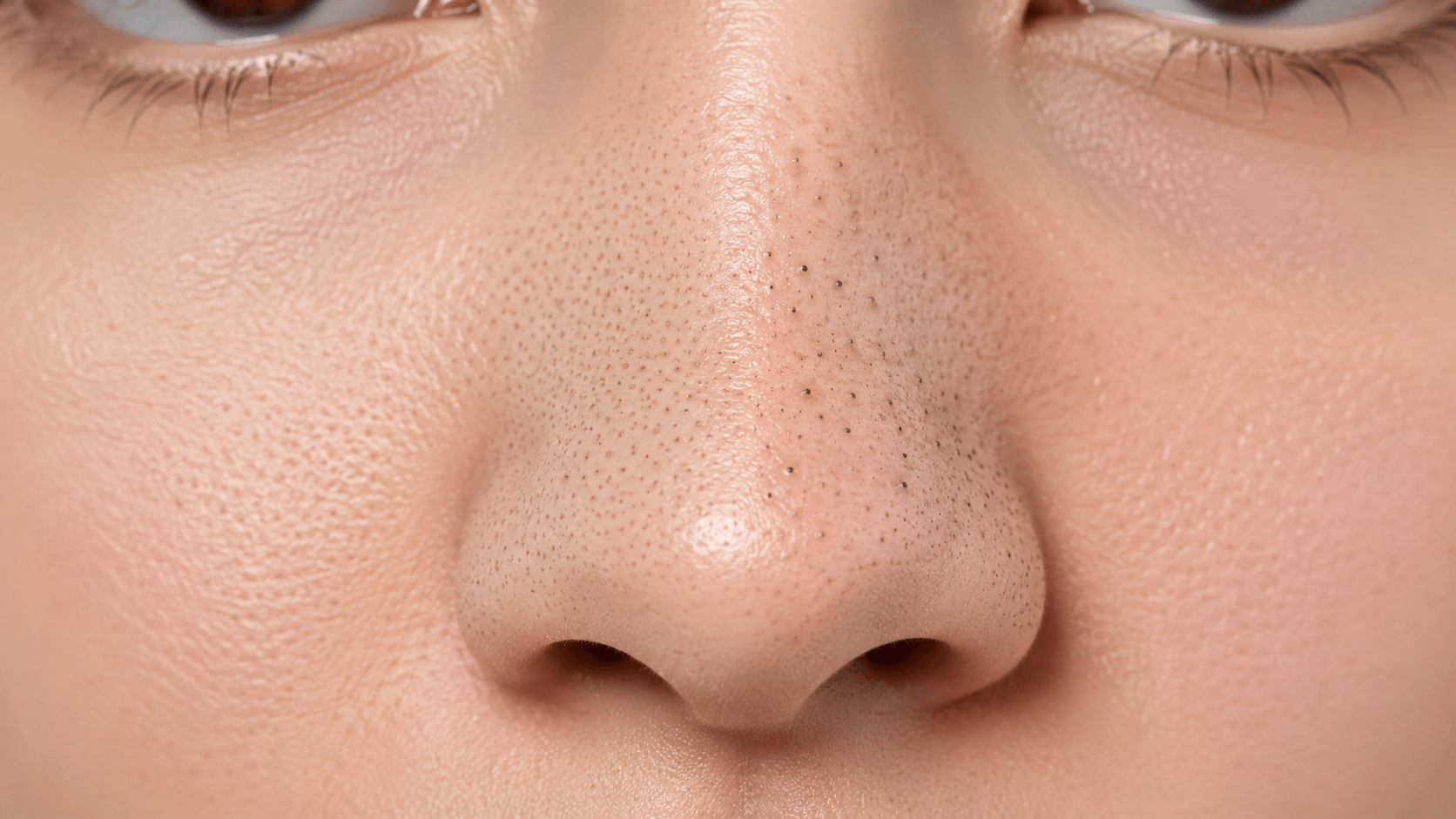
The tiny dots on your nose are often sebaceous filaments, not blackheads. Sebaceous filaments are normal structures that help move oil from your sebaceous glands to the surface of the skin. They can look grey, tan, yellowish, or dark when oil and debris are visible inside the pore. Blackheads are different: they are open comedones, a type of acne where a plug of oil and dead skin blocks the pore.
This is why nose dots keep coming back after squeezing or pore strips. If they are sebaceous filaments, they are part of normal skin function. You can make them look less noticeable, but you cannot permanently remove them.
Why this is trending
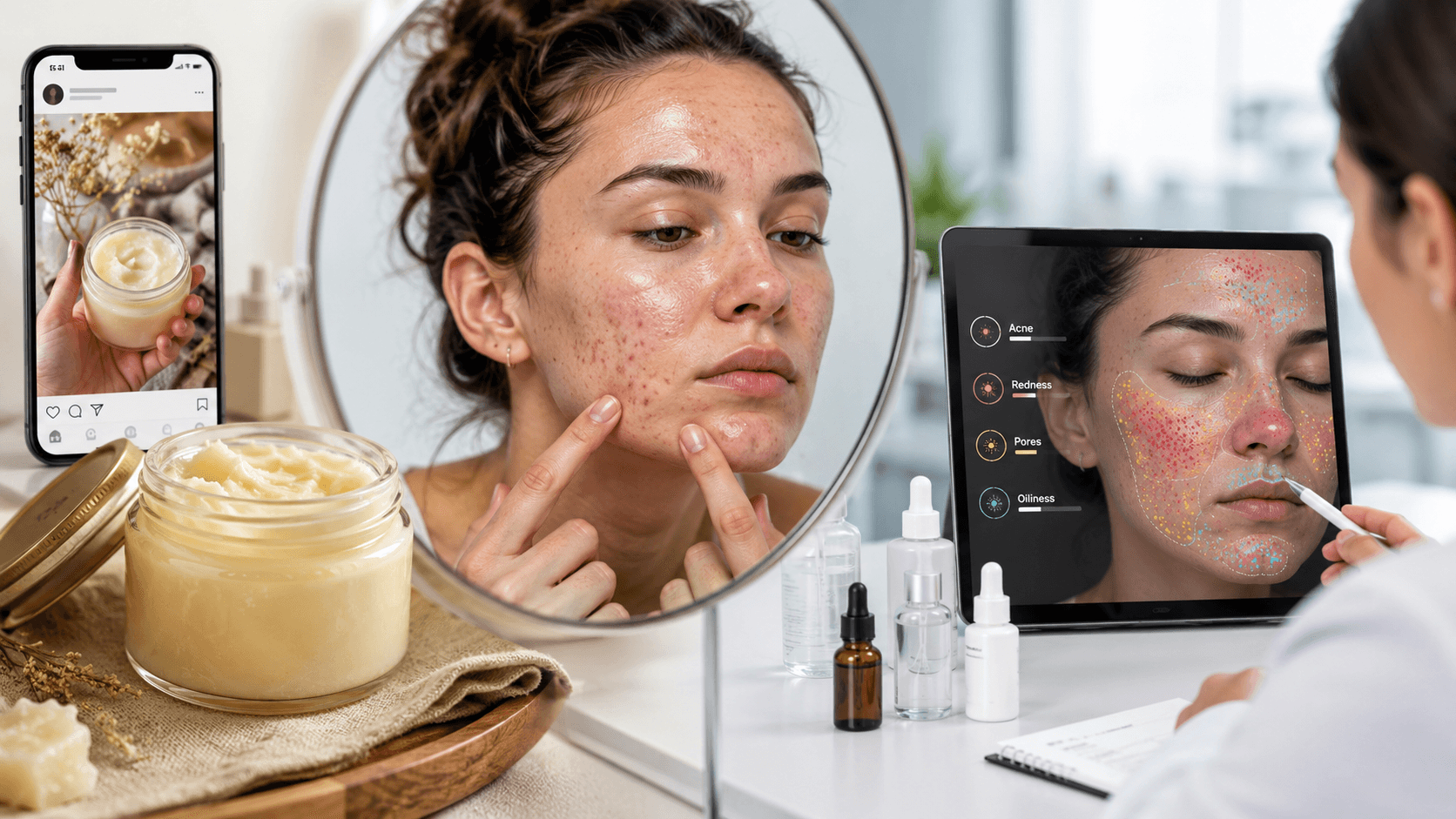
Pore content is perfect social-media material. Close-up extraction videos, pore strips, charcoal masks, and glass-skin comparisons make normal nose texture look like a problem that must be fixed immediately. The camera makes it worse: macro lenses and harsh lighting reveal dots that nobody would notice at normal conversation distance.
The skincare market also benefits from confusion. If people believe every nose dot is a blackhead, they are more likely to buy aggressive scrubs, peel masks, and extraction tools. Some of those products create a satisfying short-term visual result while irritating the skin barrier or triggering more oiliness.
The trend keeps returning because pores refill. People squeeze, see material come out, feel successful, and then see dots again days or weeks later. That cycle can lead to more pressure, more redness, more broken capillaries, and more frustration.
What the evidence says
Cleveland Clinic explains that sebaceous filaments are a normal, healthy part of skin and help sebum travel to the surface. It distinguishes them from blackheads, which are open acne lesions with a plug that blocks oil movement through the pore. Sebaceous filaments are usually smaller, flatter, and lighter than blackheads, while blackheads look more like dark raised spots.
You cannot get rid of sebaceous filaments permanently. You can reduce their appearance by managing oil, using gentle cleansing, avoiding pore-clogging products, and considering ingredients such as salicylic acid or retinoids when appropriate. But overdoing it can backfire. If you strip the skin until it feels tight, your face may become irritated and oilier-looking.
Blackheads, on the other hand, may respond to acne-focused care. The difference matters because the wrong strategy can turn a normal pore concern into irritation or actual acne.
What LooksMax Scan can help you check
LooksMax Scan can help you track visible pore and oiliness patterns over time. A single close-up in bad lighting can make anyone panic. A consistent scan is more useful. If pores look most visible on the nose and central cheeks, and oiliness is also concentrated in the T-zone, your routine may need oil-control adjustments rather than aggressive extraction.
The scan can also help you notice whether a new product is making pores look more congested or whether redness is increasing from over-treatment. If you add a strong exfoliant and your pore dots look slightly better but redness spikes, that is not a clear win. If a gentler routine reduces redness while keeping oiliness stable, that may be better long-term.
Because the tool checks acne and pores separately, it can also help you avoid treating every visible dot as a breakout.
What it cannot diagnose
LooksMax Scan cannot definitively diagnose sebaceous filaments, blackheads, acne type, rosacea, dermatitis, or any medical condition. It cannot inspect the pore under magnification, test ingredients, or determine whether a bump is infected or inflamed.
It also cannot safely extract anything. Squeezing with fingernails can irritate skin, damage the pore lining, cause redness, and make marks more visible. If you have painful acne, scarring, persistent clogged pores, or sudden changes, a dermatologist or qualified clinician can provide better guidance.
The scan should be treated as a visibility tool, not permission to attack your pores.
Practical next steps
First, stop trying to remove every dot. Some pore visibility is normal. Cleanse gently once or twice daily depending on your skin and activity. Use non-comedogenic products. Remove makeup and sunscreen properly. Do not sleep in heavy products that seem to clog you.
If oiliness and pore appearance are your main concern, consider slow, targeted changes. Salicylic acid can help some people because it is oil-soluble and can work inside pores. Retinoids can help with clogged pores for some users, but they can also irritate if introduced too quickly. Moisturizer still matters if your skin feels tight, because dehydrated skin can look rougher and shinier.
Avoid daily pore strips, harsh scrubs, and repeated squeezing. They may give a short-lived clean look, but they do not stop sebaceous filaments from refilling.
Measure progress at normal distance, not only in a zoomed mirror. The goal is calmer, clearer-looking skin, not poreless plastic.
A helpful way to judge progress is to look at the whole face first and the nose last. If your skin looks calmer overall, a few visible dots are probably not worth aggressive treatment. If the area is red, sore, shiny from irritation, or covered in marks from squeezing, the routine is too harsh. Pore care should make your skin easier to live with, not turn every mirror check into a search mission.
Run a private AI skin scan on LooksMax Scan.