Quick answer
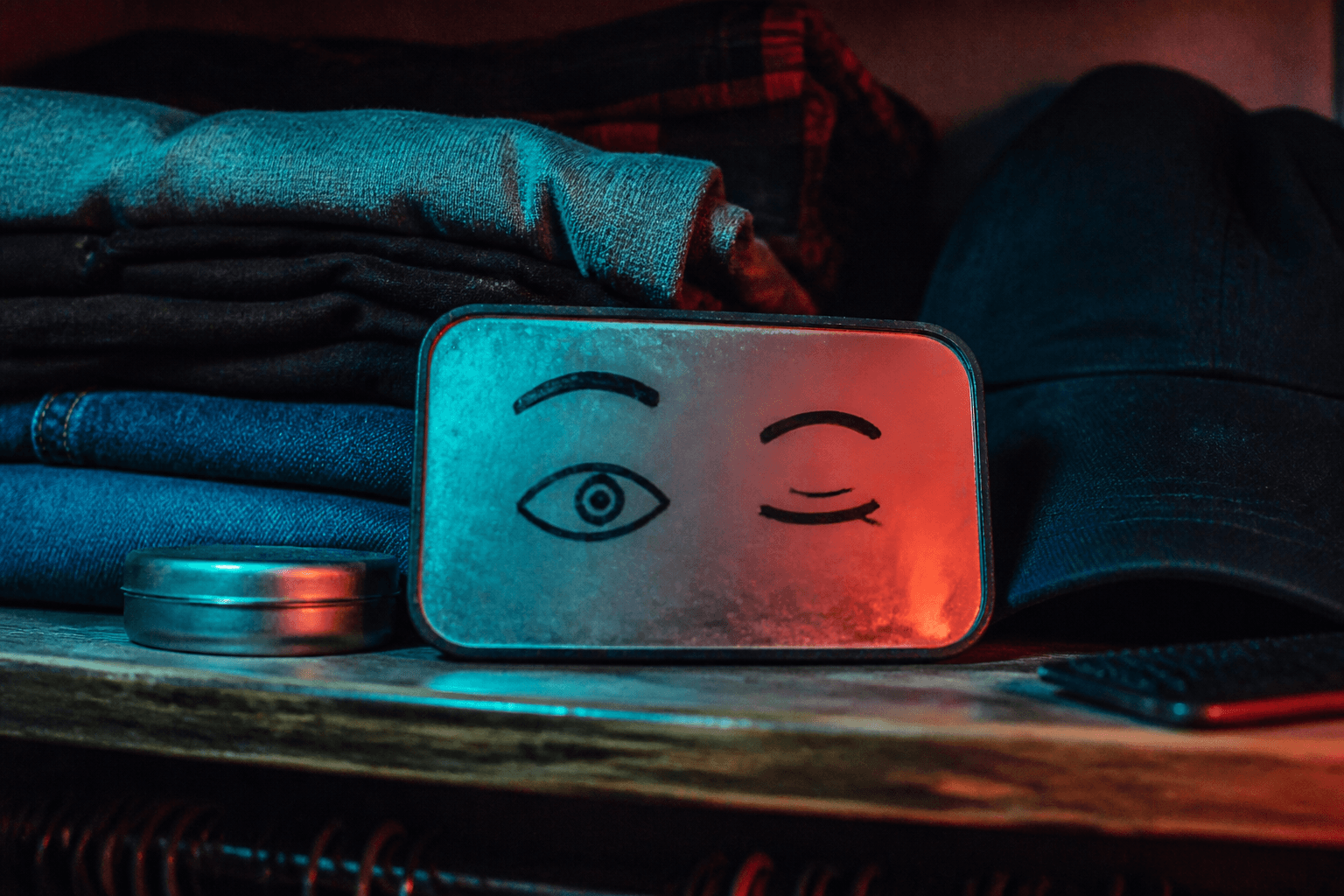
If one eye looks smaller when smiling, the eyeball usually isn't changing size. Your eyelids and cheeks move during a smile, and stronger contraction on one side can narrow that eye opening.
A stable difference that appears only with a big smile is often an expression pattern. Check it in neutral, repeatable photos before treating it as a flaw. A new droop, facial weakness, or trouble speaking needs prompt medical attention.
Why smiling changes the eye opening
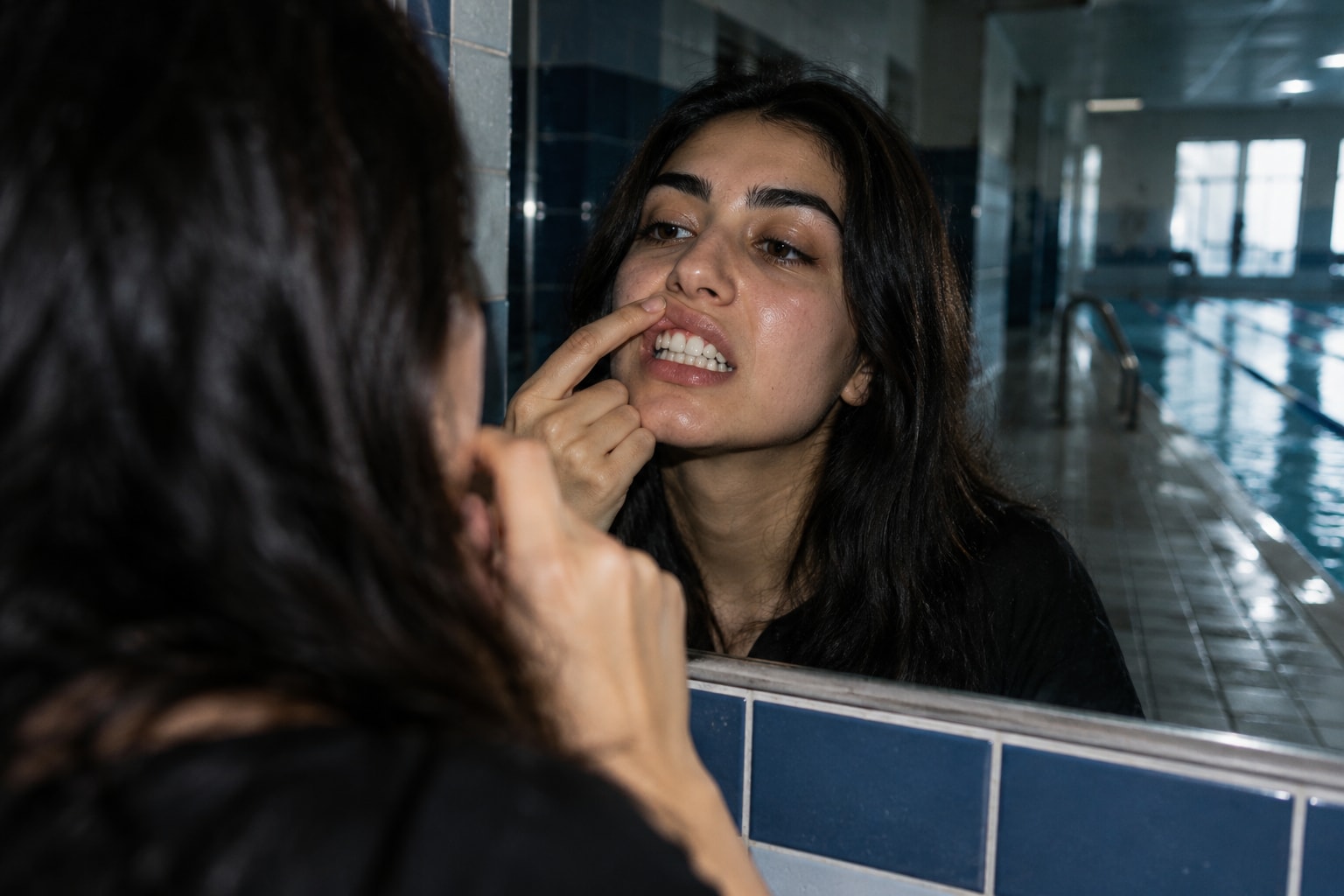
A smile uses more than the muscles around your mouth. The zygomatic muscles lift the mouth and cheeks, while the orbicularis oculi surrounds each eye and closes the eyelids.
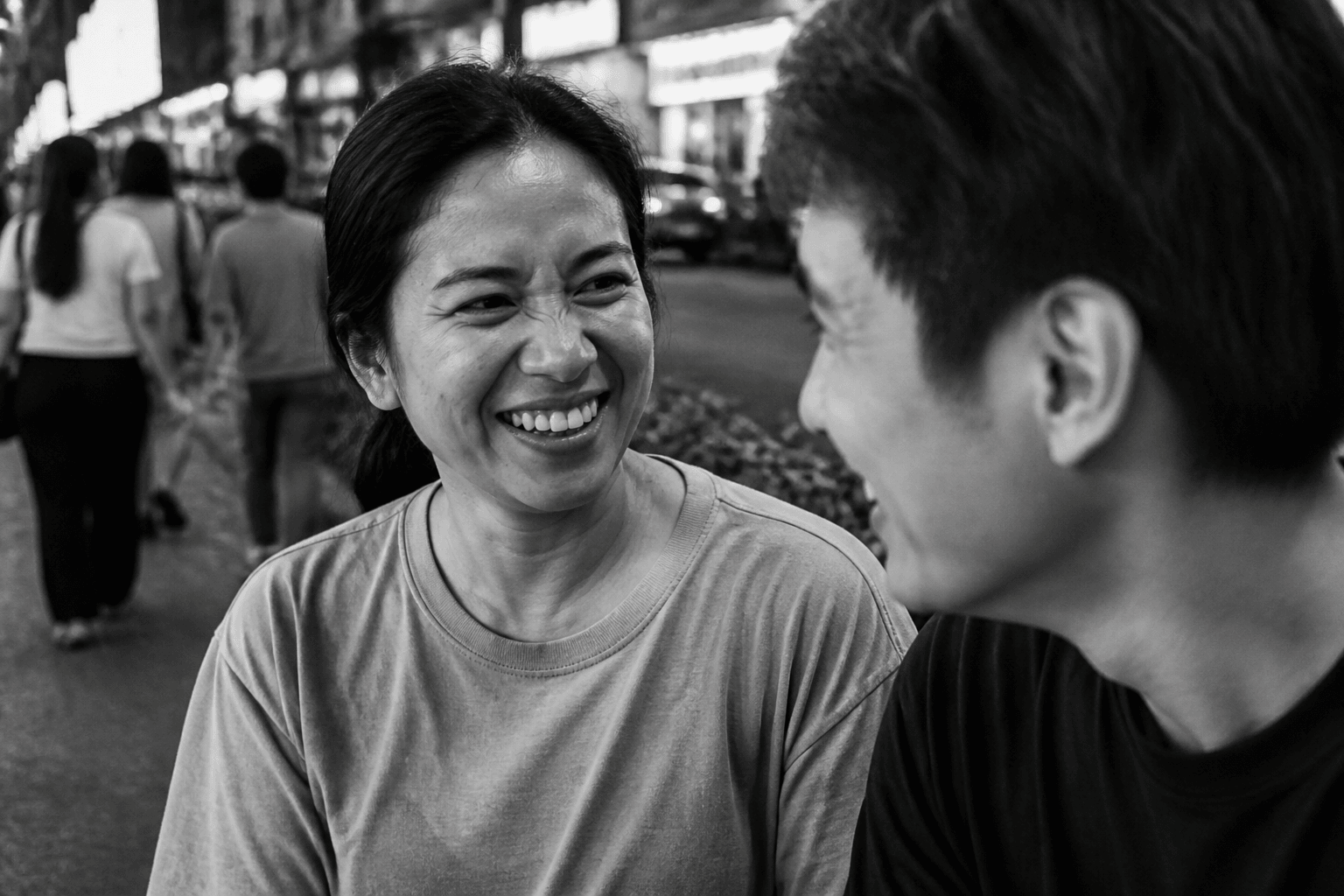
During a strong smile, the cheeks rise while the orbicularis oculi constricts the eye opening. A 3D motion study of 108 adults found facial asymmetry scores rose from rest to maximum smile, though the change wasn't clinically significant.
These muscles come in left and right pairs. The two sides don't have to pull with identical timing or strength. A small difference may be invisible at rest, then obvious when your smile reaches its widest point.
That is movement asymmetry, not evidence that one eyeball is smaller.
Check whether it happens only when you smile
The useful comparison is expression versus rest, not left eye versus right eye in one selfie. Try this once under controlled conditions:
- Place the phone at eye level and use the rear camera if possible.
- Step back rather than holding the lens close to your face.
- Record a short video in soft, even light.
- Look straight ahead with your face relaxed, then make a gentle and a full smile.
- Check older photos to see whether the pattern has been stable.
A 2024 study photographed 12 people at six distances. Both smartphones and full-frame cameras distorted midface measurements at close selfie distances. Changing the angle between attempts can also make a side-to-side comparison unreliable.
Video catches the full movement, while a single photo may capture one eyelid during a blink or while your smile is still forming. Watch the whole movement instead of judging the most uneven frame.
If both eyes look similar at rest and the difference appears only at full smile, muscle movement is the likely explanation. A photo still cannot diagnose the cause.
When it may be an eyelid issue instead
Look at the upper eyelids while your face is relaxed. If one lid sits lower across the eye at rest, the concern may be ptosis rather than smile movement.
Ptosis means the muscle lifting the upper eyelid does not work as it should. It can begin at birth or develop later, and it can affect one or both lids.
An eye examination checks eyelid position, vision, eye movement, and whether the lid blocks sight. Adults with a new or worsening droop also need an assessment. Don't try to name the cause from a selfie or an AI face score.
Arrange an eye appointment if the difference:
- remains when your face is neutral;
- has become more noticeable over time;
- affects your vision or head position;
- makes it hard to close one eye fully.
Seek prompt advice if the change appears suddenly or comes with pain, double vision, or trouble moving an eye.
An optometrist or ophthalmologist can tell whether the issue is eyelid position, muscle movement, swelling, or normal anatomy. That distinction matters before anyone discusses cosmetic treatment.
Sudden asymmetry needs a different response
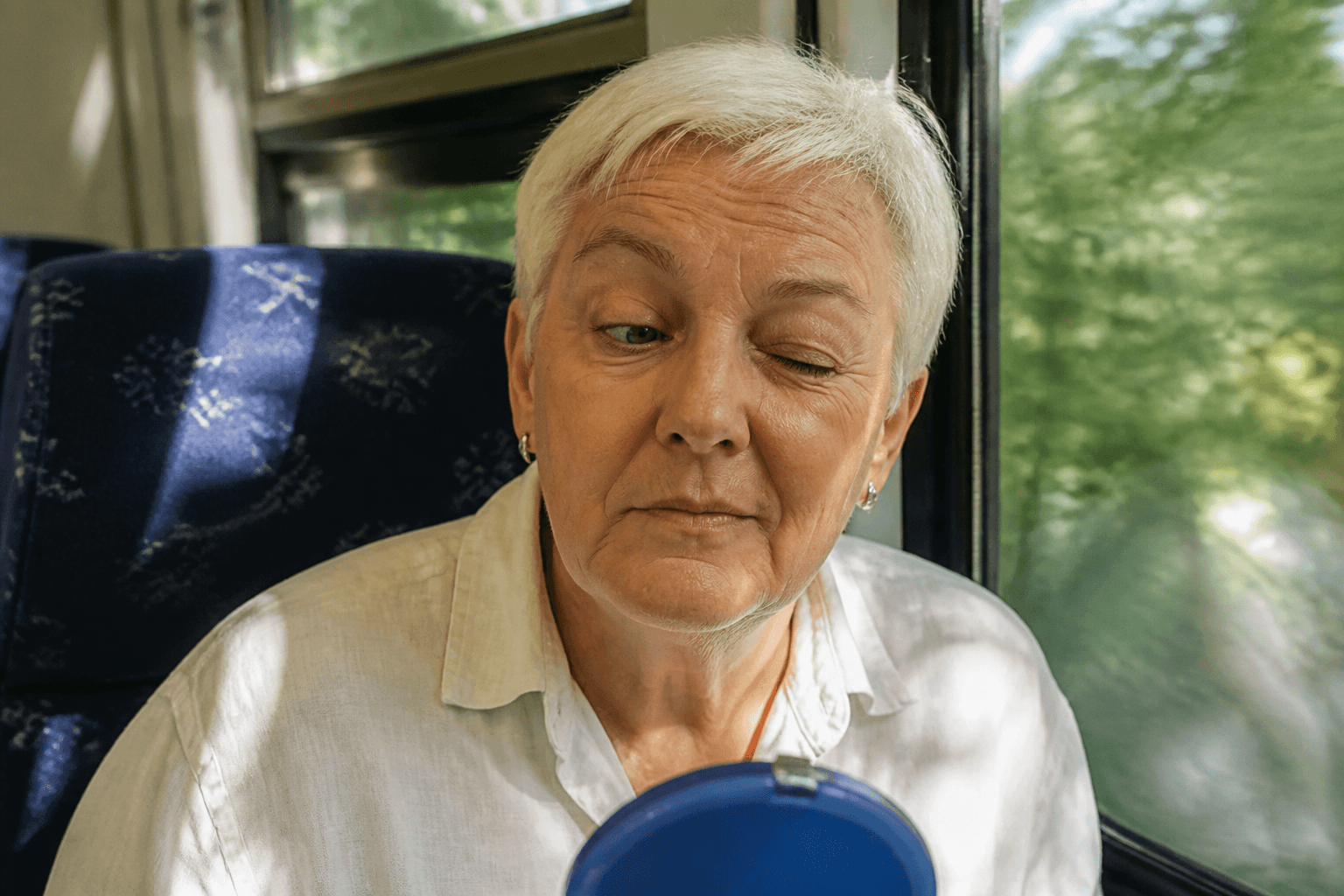
A smile that suddenly becomes uneven isn't a looksmaxxing problem because it can reflect weakness on one side of the face.
The NHS lists one-sided eyelid or mouth drooping among possible signs of Bell's palsy, whose treatment works best when started early. Similar facial drooping can also be a stroke sign.
Call emergency services if a new facial droop comes with arm weakness or speech difficulty. Seek urgent medical advice for new one-sided facial weakness, even without those two signs. If you cannot close the eye, it may also need protection from drying.
Don't wait for a second set of photos.
What you can change safely
For a long-standing difference that appears only when smiling, you may not need to change anything. Normal expressions are dynamic, and perfect frame-by-frame symmetry isn't a realistic target.
You can make photos more consistent without forcing your face:
- keep the camera farther away and crop later;
- center the lens at eye level;
- use soft light from in front of you;
- take a short burst or video instead of one timed frame; and
- compare a gentle smile with a full smile.
Avoid repeatedly training one eye to squint or stay open. There is no established exercise protocol that reliably balances an expression-specific eyelid difference. Skip eyelid tape, DIY weights, and injection maps from social media; none tells you why the sides differ.
If the difference still bothers you after a proper eye exam, discuss your goal with an ophthalmologist or qualified oculoplastic specialist. The right advice depends on what is moving, not on which side looks better in a selfie.
Why “fixing” the smaller eye can backfire
The side that looks smaller may simply be joining the smile more strongly. Trying to suppress that movement can change how the whole expression looks.
Online before-and-after photos rarely control smile intensity, camera distance, head angle, or frame timing. They cannot show whether a treatment corrected ptosis, reduced muscle movement, or captured a softer smile.
Start with the neutral-face check, which separates a resting eyelid difference from a changing expression.
FAQ
Is it normal for one eye to close more when smiling?
Yes, a small stable difference can come from unequal eyelid and cheek movement during a smile. Check that both eyes open normally at rest and that the pattern isn't new.
Does one smaller-looking eye mean I have ptosis?
Not by itself. Ptosis is a lowered upper eyelid, so it is usually assessed with the face relaxed. An eye professional should examine a persistent or worsening resting droop.
Can facial exercises make my eyes look even?
There is no established facial exercise that reliably corrects this pattern. Don't force repeated squinting or hold an eyelid open; first work out whether the difference is movement, ptosis, or a photo effect.
When is uneven eye size an emergency?
Call emergency services for sudden facial drooping with arm weakness or speech difficulty. Get urgent advice for any new one-sided facial weakness or inability to close an eye.