Quick answer
Can mouth breathing change your face after 18? Current adult research doesn't show that mouth breathing reshapes your jaw or makes your face longer. Most reports of jaw rotation and tooth changes come from children who are still growing.
Persistent mouth breathing still deserves attention because it may signal blocked nasal airflow, sleep problems, or dryness; treat the cause, not your face.
The strongest evidence comes from children
The often-shared “mouth-breather face” claim comes from studies of children. That difference matters.
Zhao and colleagues pooled 10 studies covering 1,358 children aged 2 to 14. On average, mouth-breathing groups had more downward and backward jaw rotation and steeper bite-related angles than nasal-breathing groups.
Those results describe group differences during growth, but they don't prove that mouth breathing alone caused them. All 10 studies used past records, and the reasons for mouth breathing varied. Enlarged tonsils, sleep apnea, allergies, and other blockages can affect who enters each group.
The review excluded anyone over 18, so its results can't tell you that adult mouth breathing will reshape an adult jaw. They can't show that nasal breathing will reverse your current face shape either.
Adult studies do not show reliable bone changes
One study compared mouth and nasal breathers across three age bands, including orthodontic patients aged 19 to 57. Rossi and colleagues found no link between breathing mode and the bone measurements they examined in adults. They found limited tooth and bite differences instead.
That result is useful, but it isn't the final word. The team used old clinic records, patient answers, and clinic exams to label each person's breathing type. They didn't measure nasal airflow over time or know when each adult started mouth breathing.
The Rossi study did not follow people who began mouth breathing after 18 or compare their facial bones over time. It also did not test whether changing breathing route rebuilds the upper or lower jaw.
So the honest answer is narrow: adult research is thin, and no reliable change in facial bones has been shown.
Turning 18 is not an on-off switch
Your facial bones don't freeze on your eighteenth birthday, because small changes continue through adulthood as part of normal growth and aging.
Bondevik followed 41 men and 52 women from about age 22 to 43 using repeated head X-rays. Their bone measurements changed across both decades, with larger changes from ages 22 to 33 than from 33 to 43.
That study did not examine breathing, but it shows why “all facial growth stops at 18” is too simple. It does not show that breathing through your nose can direct those later changes.
Continued adult growth does not make DIY pressure or breathing exercises a safe way to reshape your face.
What may look different without bone change
Breathing with parted lips changes your resting pose at once. Closing them for a photo changes the lower-face outline, even though no bone has moved.
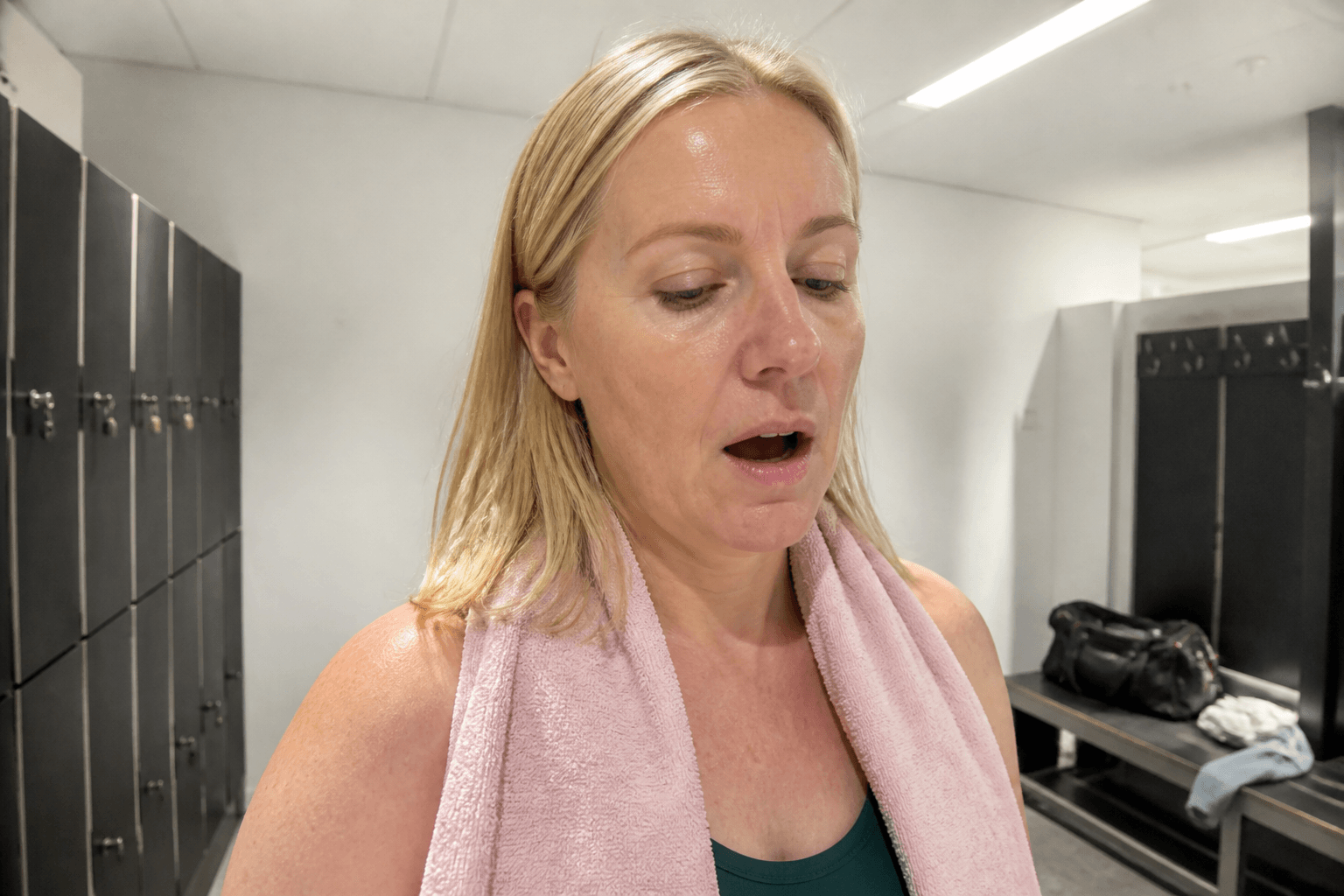
Symptoms can affect appearance too, and Cleveland Clinic lists dry mouth, drooling during sleep, tiredness, hoarseness, bad breath, and snoring. Dryness can crack your lips.
These are visible or felt changes, not proof of a longer face or recessed jaw. A selfie cannot tell whether your nasal airway is blocked or when a skeletal feature formed.
If you compare photos, keep the camera distance, head position, lighting, and expression the same. Track the open-mouth resting pose on its own, apart from your face shape. A changed pose should not be labeled bone growth.
Find out why you are mouth breathing
Persistent mouth breathing often starts because nasal airflow is limited. Cleveland Clinic names nasal congestion, allergies, chronic sinusitis, a deviated septum, swollen turbinates, nasal polyps, and sleep apnea among possible causes.
Start with the pattern, not your jawline, and notice whether it happens while awake, asleep, exercising, or only during a cold. Morning dry mouth, pillow drool, snoring, and daytime tiredness are useful details for a clinician.
See a doctor or an ear, nose, and throat specialist when nasal blockage keeps returning. Ask about a sleep assessment if someone notices pauses, choking, or gasping during sleep. A dentist can check persistent dryness, tooth decay, gum health, and your bite.
Dryness is worth addressing. The National Institute of Dental and Craniofacial Research says ongoing dry mouth raises the risk of tooth decay and oral fungal infections. A doctor or dentist can look for other causes, including medicines and health conditions.
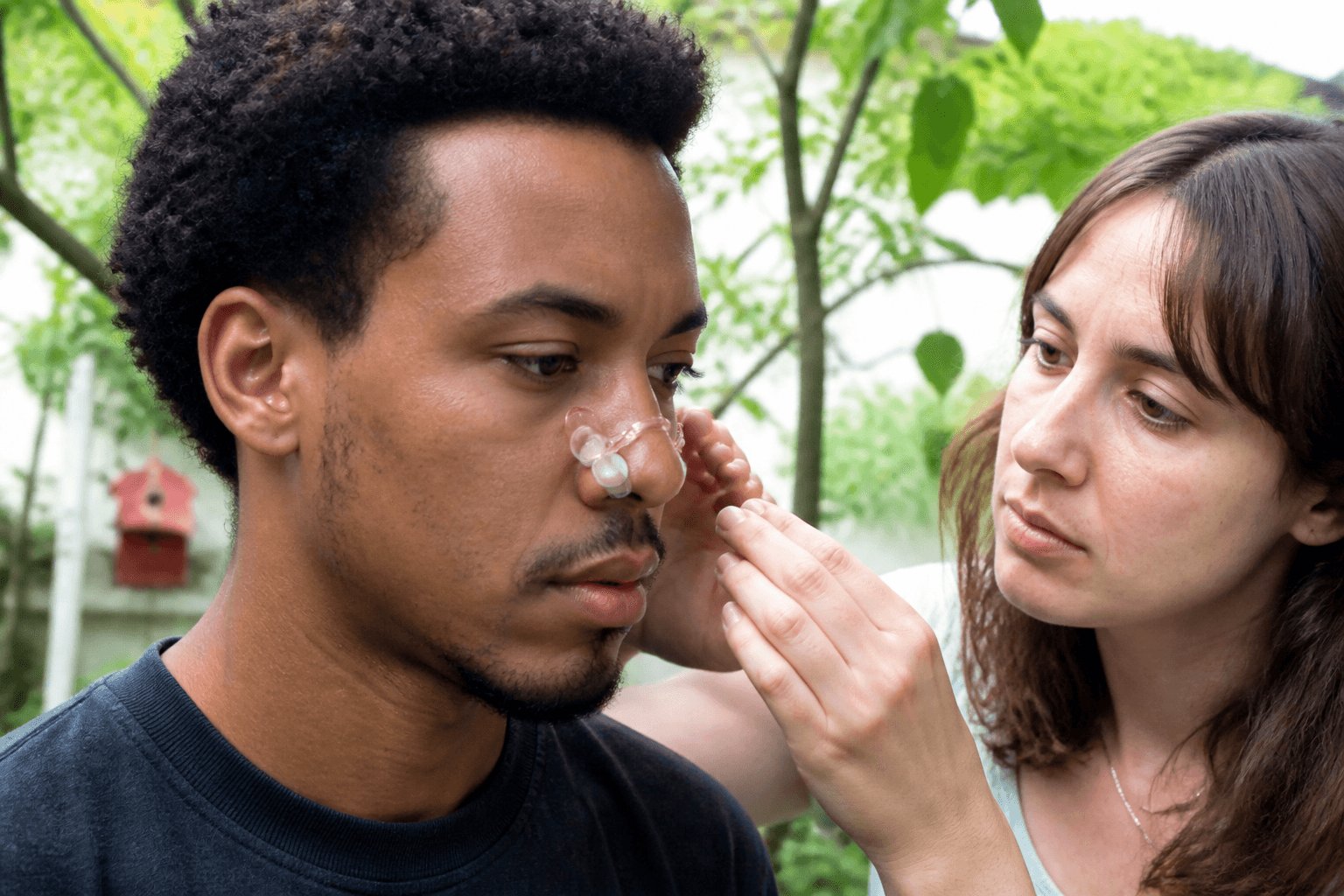
Treatment depends on the cause, so copying another person's spray, appliance, or exercise plan may miss the real problem.
Do not use mouth tape as a face treatment
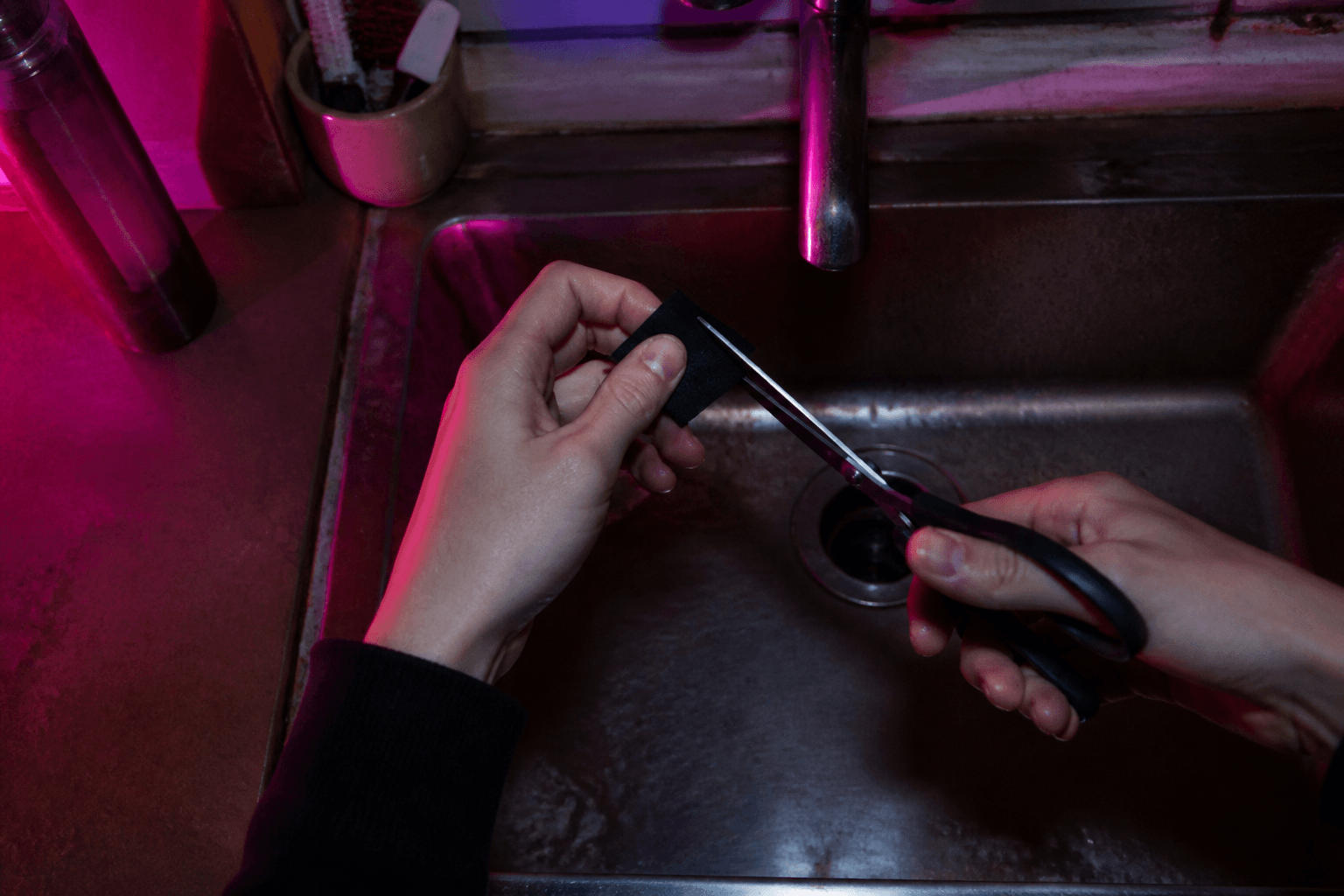
Mouth-taping studies focus on snoring, airflow, and sleep apnea; they do not test adult facial reshaping.
A 2025 systematic review of mouth taping found 10 small studies, with 9 to 71 people in each. Reviewers rated every study as poor quality, with mixed results, and many studies left out people with blocked noses.
Forced mouth closure may be dangerous when your nose is blocked. Four studies discussed serious risks when the nose was blocked or stomach contents came back up. The review found little evidence of broad benefit and warned against use without medical screening.
Don't tape your mouth to chase a sharper jaw. A blocked nose is a reason to find the cause, not force your mouth shut.
What progress can you track?
Track outcomes that can change and matter, including nasal blockage, morning dryness, snoring reports, and daytime energy. Note any treatment and the date it started.
For appearance, use consistent photos rather than a tense side profile, and keep your lips relaxed. Record whether they rest open or closed. Compare weeks or months under the same setup, not a hand-picked before-and-after pair.
Improved comfort, easier nasal breathing, and less dryness are useful wins. A different resting pose may also change how your lower face looks. None of these outcomes proves that your adult jawbone changed.
FAQ
Can nasal breathing improve my jawline after 18?
Rossi's adult data do not show that nasal breathing alone advances the jaw or creates a sharper jawline. Treating obstruction may improve comfort, sleep symptoms, dryness, and your resting mouth position, but those changes don't prove new bone growth.
Can mouth breathing make an adult face longer?
Studies in children link mouth breathing with steeper vertical angles and rotated jaws during growth. Rossi's adult data do not show that the habit reliably lengthens an adult face. That study only compared groups and cannot prove when any facial feature formed.
Will my face reverse if I stop mouth breathing?
Rossi's adult study did not test bone reversal after switching to nasal breathing. Your lip posture and expression may look different quickly, but bone concerns need an orthodontist's assessment, not a before-and-after selfie.
Who should I see for chronic mouth breathing?
Start with a primary-care clinician or an ear, nose, and throat specialist for persistent nasal blockage. See a dentist for ongoing dry mouth or bite concerns. Get a sleep assessment for snoring, witnessed breathing pauses, gasping, or daytime sleepiness.