Quick answer
Motorcycle helmet acne on chin is often acne mechanica, caused by pressure, rubbing, heat and trapped sweat where the strap sits. Keep the helmet securely fitted, clean it as its maker directs, and use a simple skin routine. If the area burns, itches, forms hair-centred pustules, or stays unchanged for six to eight weeks, see a dermatologist.
Why the chin strap can trigger a breakout
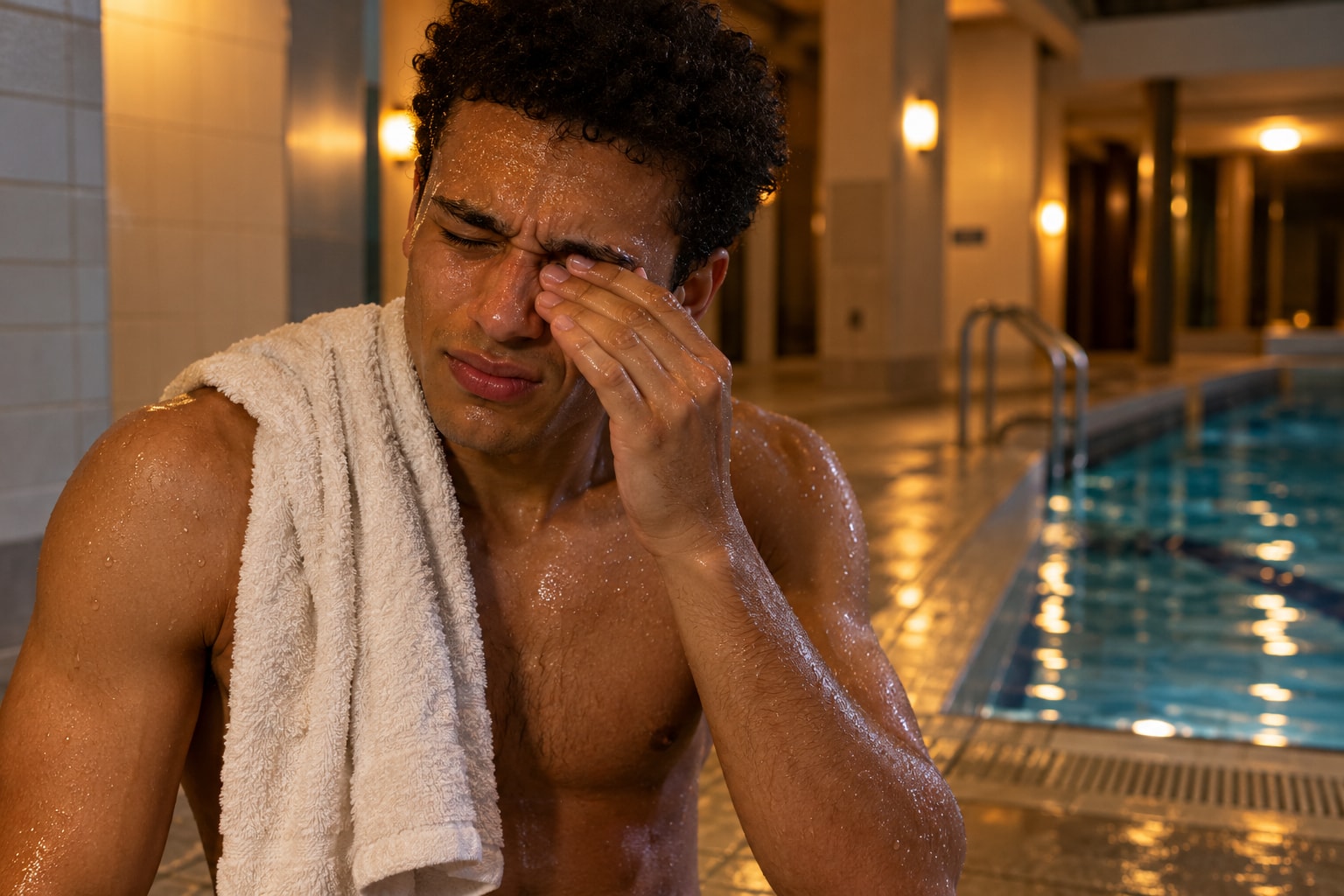
The American Academy of Dermatology calls friction-related breakouts from sports gear acne mechanica. A helmet or chin strap presses and rubs heated, sweaty skin during repeated use. That combination can turn a rough patch into inflamed pimples, especially if you already get acne.
The available guidance covers sports helmets and chin straps, not a motorcycle-specific clinical trial. The mechanism is plausible, but your contact pattern remains more useful than the label alone.
The strongest clue is location: new bumps follow the strap's contact line after frequent, long, or hot rides. That pattern supports a helmet trigger, though it doesn't prove every bump is acne.
This isn't a reason to ride without protection because the useful target is repeated skin contact, not the helmet's safety function.
Check what the bumps look and feel like
Several conditions can occupy the same narrow strip of skin, and treating all of them as clogged pores can make irritation worse.
- Acne mechanica often starts with small, rough bumps where the gear rubs. Whiteheads or inflamed pimples may follow with continued contact.
- Irritant contact dermatitis tends to burn or hurt. DermNet notes that repeated exposure can cause dryness, cracking, redness and itch within the contact area.
- Folliculitis produces inflamed hair follicles. DermNet describes a tender red spot, often with a surface pustule. Shaving can also cause sterile follicle irritation in the beard area.
Look beyond colour because redness can be harder to see on deeper skin tones. Irritation may leave darker marks after it settles, while texture, burning, itch and location add useful context.
A selfie cannot confirm the diagnosis, but it can record where the change sits and whether it is improving. Don't squeeze a bump to find out what is inside; picking can delay clearing and raise the risk of marks or scars.
Fix contact without weakening helmet safety
Start with fit: NHTSA says a correctly sized motorcycle helmet should feel evenly snug and stay put when you shake your head. Local pressure points can mean the helmet shape doesn't match your head, even when the labelled size seems right.
Do not loosen the retention strap, cut the liner, or add homemade padding to spare your chin. Those changes can alter the fit or compromise the helmet. Ask a trained retailer whether your model has approved replacement cheek pads, liners, or fit options.
A snug helmet will still touch your skin. The goal is even, stable contact without a painful hot spot or repeated sliding. If the helmet moves, a looser fit may create more rubbing rather than less.
Clean the liner and strap the safe way
Skin care won't fully test the helmet theory if sweat and product residue remain there, so check your model's manual before cleaning.
SHOEI, for example, says its removable comfort liners can be washed with a neutral cleaner at 30°C. Fixed padding should be wiped with a damp cloth and neutral cleaner. Every part must dry fully before it goes back into the shell.
That guidance is brand-specific, but the principle travels well: follow the maker's method and don't improvise with harsh cleaners. SHOEI warns that solvents can damage plastic, while heat and solvents can harm the impact-absorbing EPS liner.
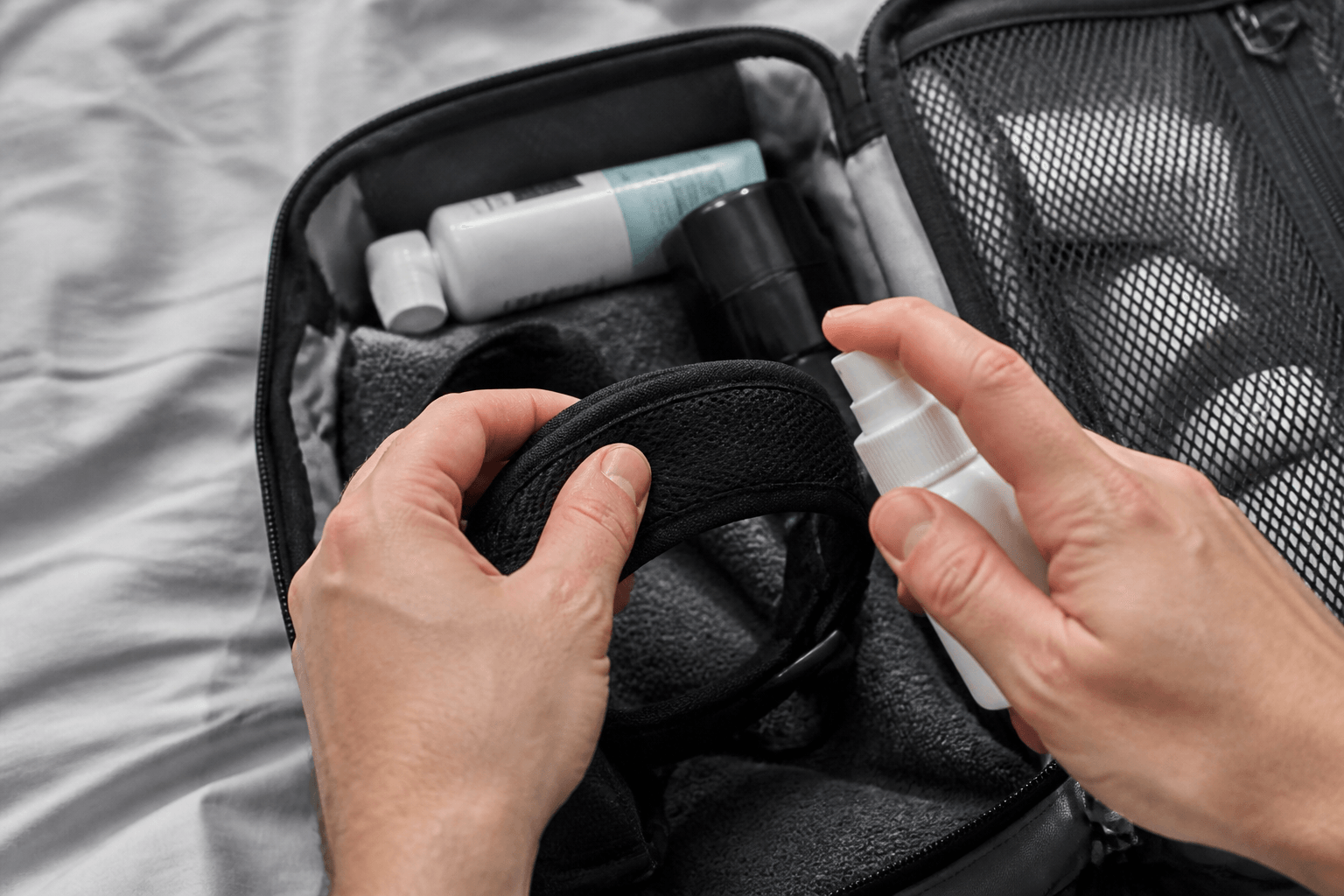
Clean the strap section that touches your chin only in the way your model's manual allows. Let the helmet air-dry completely between rides; an approved spare liner can help frequent riders rotate a clean, dry set.

Keep the skin routine small
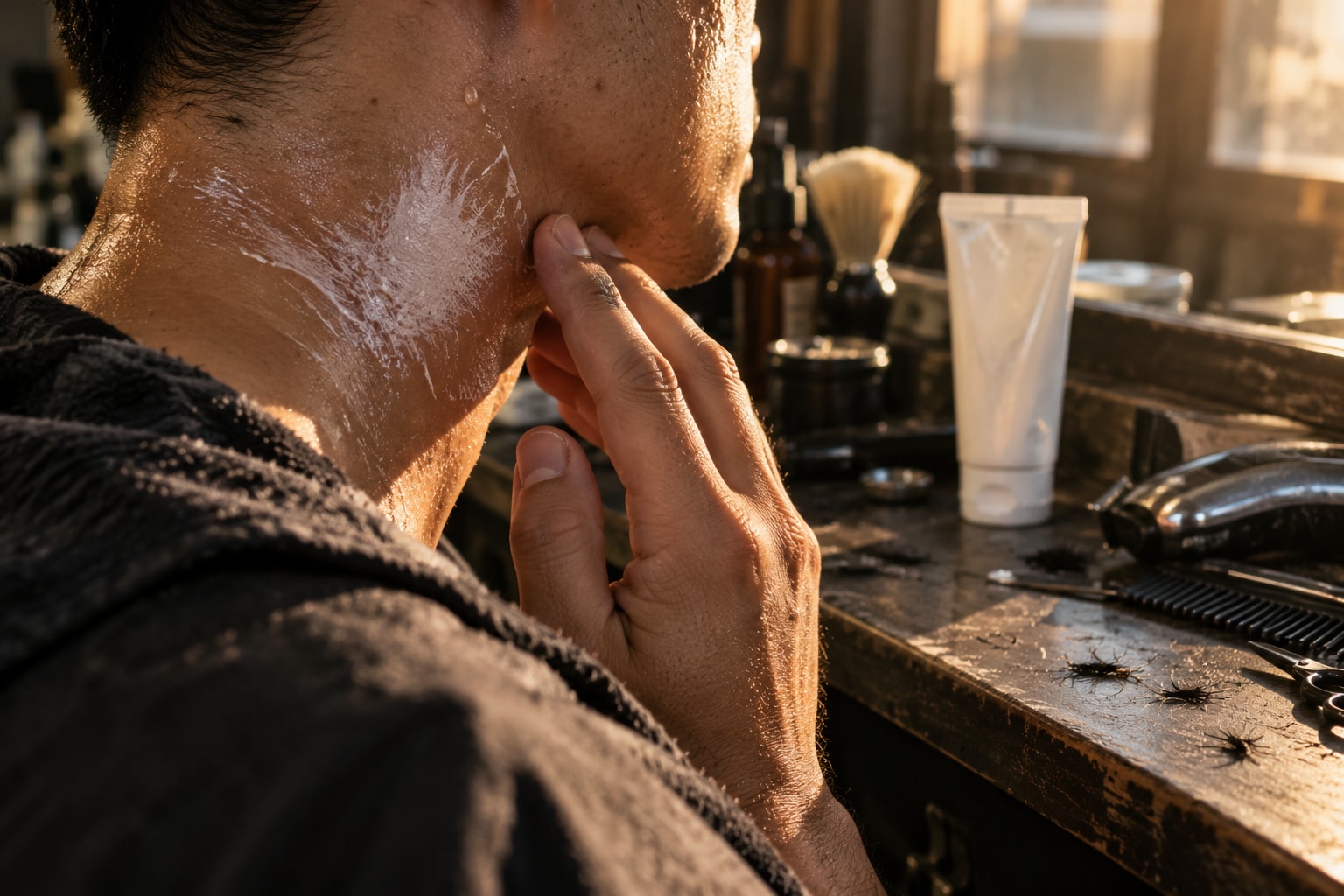
Wash your chin gently after sweating, using the academy's recommended non-abrasive cleanser and your fingertips instead of a scrubber. More force doesn't remove acne faster.
For acne-like bumps, an over-the-counter salicylic acid product is a reasonable first option. The academy lists salicylic acid for acne mechanica because it helps unclog pores. Follow the label, and reduce use if the area becomes dry or sore.
Change one treatment at a time because stacking a scrub, acid, toner and spot treatment makes a reaction harder to trace. Alcohol-heavy products and repeated rubbing can add irritation where the strap already presses.
If shaving days produce the worst bumps, DermNet notes that regrowing beard hairs can cause irritant folliculitis. Use a gentler method and avoid shaving closer than your skin tolerates while you assess the problem.
Run a six-to-eight-week test
Use a controlled test because a hot, sweaty post-ride selfie and a cooler pre-ride photo aren't a fair comparison.
Take a baseline photo before a ride in soft, even light, keeping the camera, distance and head angle fixed. Take one comparison photo each week under the same conditions, preferably before riding.
Then make only these changes:
- Clean and dry the helmet parts as the manual permits.
- Keep the helmet and strap correctly fitted.
- Wash gently after sweaty rides.
- Use one acne product, if needed, exactly as labelled.
- Record shaving days and unusually hot or long rides.
Compare the number and position of active bumps every two weeks. A private AI scan can help map visible blemishes and redness, but it cannot identify acne, bacteria, allergy, or folliculitis. A normal photo folder works too.
The test becomes more convincing if the strap-shaped area improves while the rest of your routine stays stable. If bumps spread beyond the contact zone, another trigger or condition deserves attention.
When to get a skin examination
The academy advises seeing a dermatologist when suspected acne mechanica has not improved after six to eight weeks of care. Go sooner for deep painful lumps, repeated pus-filled bumps, spreading redness, crusting, or early scars.
Persistent burning, cracking, or a sharply outlined rash also needs a closer look because several look-alikes won't respond to acne treatment. A clinician can examine the follicles and contact pattern instead of guessing from a photograph.
FAQ
Does sweat alone cause helmet acne?
Sweat is only part of the setup. The American Academy of Dermatology links acne mechanica to trapped heat and sweat plus pressure and rubbing from equipment. A clean helmet can still trigger bumps if contact keeps irritating acne-prone skin.
Can I loosen my motorcycle helmet strap to stop chin acne?
No. Keep the retention system fitted as the manufacturer directs. A helmet should stay securely in place, and changing its fit for skin comfort can reduce protection. Ask a trained retailer about approved fit parts instead.
How often should I wash my helmet liner?
There is no safe universal schedule for every helmet. Follow your model's manual, clean approved removable parts when they become sweaty or soiled, and let them dry completely. Never assume a household disinfectant is safe for the shell or EPS.
Can an AI skin scan diagnose helmet acne?
No. A scan can compare visible redness, bumps and their location across consistent photos. It cannot separate acne mechanica from dermatitis, folliculitis, or shaving bumps with clinical certainty.