Quick answer
Itchy earlobes after wearing earrings can come from a metal allergy, friction or products trapped against the skin. Nickel is a common trigger, including in earring backs. If your piercing is fully healed and there are no infection signs, stop wearing the suspect pair while the skin settles. Heat, worsening pain, pus or feeling unwell need prompt medical advice; leave potentially infected jewellery in until a doctor advises otherwise.
Check the pattern before blaming the metal
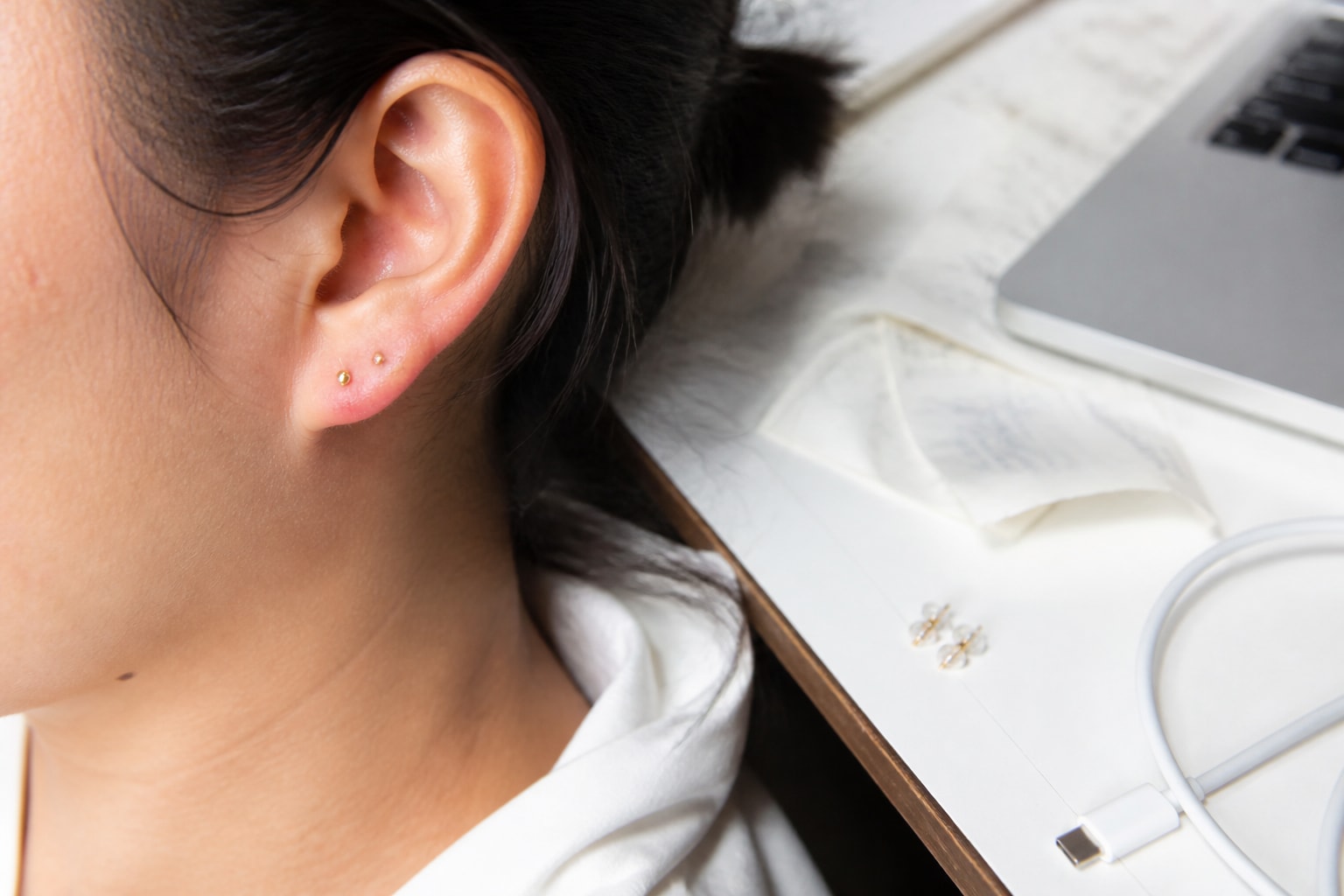
An itchy rash where an earring touches your ear fits contact dermatitis, but appearance alone can't identify the cause. A clinician uses the timing, location and other symptoms to work out what's happening.
Allergy: itch that returns with exposure
Nickel allergy happens when your immune system reacts to the metal touching your skin. Mayo Clinic says reactions usually start within a couple of days, so yesterday's earrings may explain today's itch.
The rash can include bumps, blisters or cracked skin beyond the point where the metal touches. Still, a similar reaction to two pairs of earrings doesn't confirm a nickel allergy.
Irritation: rubbing, stinging or trapped products
DermNet lists friction, dirt and trapped soap and water as causes of irritation without a metal allergy.
Check whether a backing presses into your lobe or a rough post rubs during movement. Note any shampoo or perfume that reaches the area as another possible trigger to discuss.
The British Association of Dermatologists says irritation and allergy can look similar despite some differences in symptoms. Irritation can burn or feel sore, while allergy often itches, but symptoms alone don't prove either diagnosis.
On brown or black skin, inflammation may look purple, greyish or darker than the surrounding skin. Look beyond redness.
Infection: don't treat it as a jewellery preference
The NHS lists heat, pain, swelling, pus and feeling unwell as signs that a piercing may be infected. Seek an urgent appointment if you suspect infection, or contact NHS 111 for advice in the UK.
Leave the jewellery in unless a doctor tells you to remove it, even if you suspect the metal.
What to do while your earlobes settle
For a healed piercing with mild irritation and no infection signs, set the suspect earrings aside. Don't keep putting them back in to check whether your skin reacts again.
Keep care simple:
- Use a cool, damp compress to soothe the outer earlobe.
- Apply a plain, fragrance-free moisturiser to dry, intact outer skin, away from the piercing opening.
- Keep perfume and other suspected products away from the irritated area.
- Ask a pharmacist or clinician about treatment if itching persists or the skin becomes sore.
Moisturiser can help the skin barrier, but it doesn't make an allergenic metal safe. Ask a pharmacist or clinician about the right strength and duration if you need a steroid cream.
These steps concern the skin around a healed piercing; get separate aftercare advice for a new one. The NHS says mild itching and pale crusting can occur during early healing, so itching alone doesn't prove an allergy.
Ask your piercer about fit and a clinician about a rash before changing fresh jewellery to test different materials.
Check the posts and backs before buying replacements
Check every part that touches your skin. The American Academy of Dermatology names both earrings and earring backs as common nickel sources.
Ask the seller to identify the post and backing metals separately from the decorative front.
Mayo Clinic lists titanium among materials less likely to cause allergic reactions when choosing replacement jewellery. Verified nickel-free options can help when nickel is your confirmed trigger, but no finished item comes with a guarantee.
DermNet explains that gold plating can wear away and expose nickel in the metal underneath. A gold-coloured surface doesn't tell you what will eventually touch your skin.
Identify the suspected trigger before replacing your collection, so you don't buy more earrings with the same problem.
If the rash keeps returning, ask about patch testing
The American Academy of Dermatology recommends assessment for rashes that blister, become infected or repeatedly return.
A dermatologist can arrange patch testing to identify substances that cause a contact allergy. The clinic checks for delayed reactions to small amounts of suspected allergens placed under patches. Wearing an earring for an hour isn't equivalent.
Mayo Clinic recommends recording when symptoms started and whether they follow a pattern to help your clinician. Include:
- Which earrings you wore, including any change of backs.
- When the itching started and where the rash appeared.
- Products used around your ears.
- What happened after you stopped wearing the pair.
Improvement after removal is useful evidence, but it doesn't distinguish a metal allergy from friction or a product reaction.
FAQ
Why do earrings I've worn for years suddenly itch?
DermNet says you can develop a metal allergy after years of wearing jewellery without problems. Worn plating is another possible explanation because it can expose a different metal to your skin. Previous comfort doesn't rule out a current reaction.
Can gold earrings still cause an allergic reaction?
Yes. Gold jewellery can contain other metals, so a reaction doesn't prove you're allergic to gold itself. Check the alloy, posts and backs rather than relying on colour or price alone. Patch testing can help identify the trigger when several different pairs cause a rash.
Can I coat the posts with clear nail polish?
Don't use that as a fix for an itchy piercing. The American Academy of Dermatology discusses nail polish barriers for clothing hardware, not treatment for inflamed piercing channels. Nail varnish itself can cause contact allergy, according to the British Association of Dermatologists. Choose jewellery that avoids your confirmed trigger instead.
Will wearing earrings more often make my ears get used to them?
Not if the problem is nickel allergy. Mayo Clinic says avoiding the metal is the first treatment step because the allergy has no cure. If insertion hurts after a break from wearing earrings, get the piercing checked rather than forcing jewellery through.