Quick answer
An ice burn on your face from an ice roller needs slow rewarming and emergency medical care. Stop using the roller, then gently warm the patch with lukewarm water or a warm, wet cloth; don't rub it or use direct heat. Brief redness that fades may be irritation, but blisters, lasting numbness, fixed color change, or hard, waxy skin point to a cold injury.
Check what the skin is doing
Cold causes several similar-looking reactions, so timing, feeling and texture offer clues without proving injury depth.
Brief redness or irritation
A cold roller can leave skin pink or red for a short time. Cleveland Clinic notes that facial icing can redden and irritate thin or sensitive skin. A brief color change that settles after the tool is removed is less concerning than numbness or a fixed pale patch.
Stop anyway, because normal cold exposure shouldn't leave the area painful, numb, blistered or hard.
Frostnip or a deeper cold burn
Frostnip is the mildest cold injury, and Cleveland Clinic lists pale skin, tingling, aching, numbness and possible peeling. Frostnip is reversible. Numbness that persists after gentle warming, especially with gray skin, blisters, or a hard or waxy texture, needs urgent assessment.
Darkened skin, complete loss of feeling, stiffness, or a hard, waxy texture need urgent care. Cold can numb you before you grasp how much damage is happening.
Cold hives
An itchy, raised welt can be cold urticaria rather than a burn. The American Academy of Dermatology says cold hives may cause welts, burning, swelling or discoloration after cold exposure.
Repeated welts after cold products need a dermatologist's assessment; swollen lips, throat swelling, breathing trouble, lightheadedness or fainting are emergencies.
What to do right now
Start first aid while seeking emergency care, because burn depth is hard to judge at home.
- Remove the roller, move somewhere warm and keep the injured patch away from more cold.
- Rewarm it with a clean, warm, wet cloth for about 30 minutes, replacing it as it cools, or use lukewarm running water.
- Use warmth, not heat, and avoid hot water, hair dryers, heating pads, hot towels or heaters.
- Don't rub, massage or scrub the patch, because Mayo Clinic and Cleveland Clinic warn that rubbing can worsen injured tissue.
- If frozen moisture has stuck the roller to your skin, don't pull it away; pour lukewarm water over the contact point until it releases.
- Don't put products on or handle blistered or open skin; let the clinician assessing you direct wound care.
Seek emergency medical care while starting first aid; Cleveland Clinic specifically includes cold or ice burns on the face.
When the face needs urgent assessment
Location matters because cold can injure exposed facial areas such as the cheeks, chin, nose and ears.
Seek urgent medical care now if you think the roller caused a true burn. The need is even clearer when you notice any of these changes:
- Sensation doesn't return after several minutes of gentle warming.
- Skin stays pale, gray, blue, much darker, hard or waxy.
- Blisters form on or around the patch.
- Pain is severe or increases after warming.
- The roller tore skin when it came off.
Call emergency services for breathing trouble, throat swelling, fainting, confusion or other signs of a serious cold reaction.
Why a frozen roller can burn
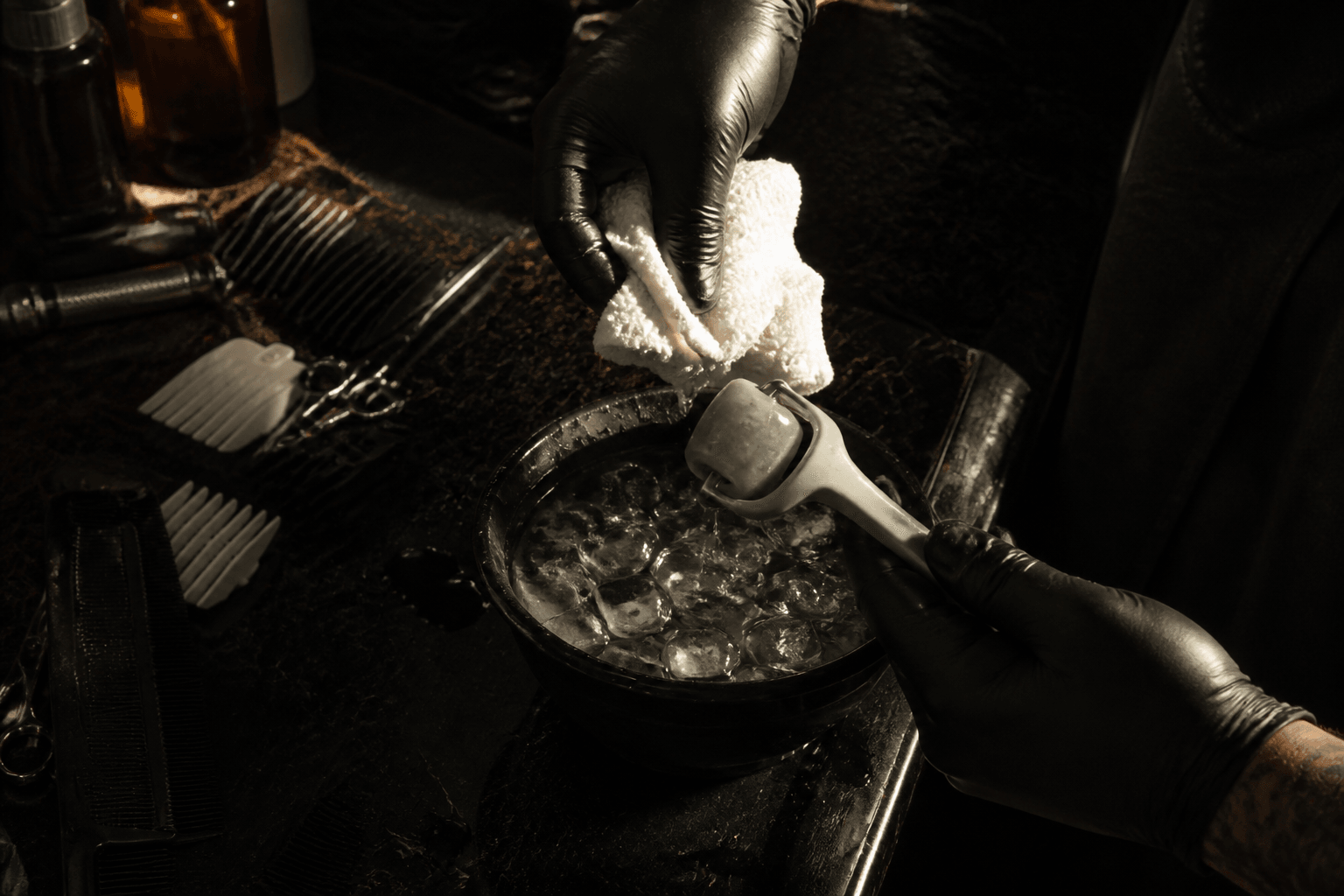
An ice burn is a thermal injury, and lower temperature or longer contact raises the chance of damage. A layer between the cold source and skin buys time, while direct contact removes that protection.
The warning sensation isn't reliable because cold can move from aching into numbness, making still contact feel easier as risk rises.
Ice rolling also has modest limits, and Cleveland Clinic describes it as a temporary way to reduce puffiness. It isn't a cure or long-term treatment for acne or wrinkles, so don't push through pain for a short-lived effect.
Leave the area alone while it recovers
Until you have been assessed, leave the patch alone and use only the first-aid steps above. Let the clinician direct wound care.
Cleveland Clinic says burn ointment or aloe may soothe minor frostnip, but that advice doesn't replace assessment for a facial burn. Ask the clinician who examines you what to apply, especially if the skin has blistered or opened.
Recovery depends on depth: frostnip can reverse, but deeper cold burns may need wound care and leave symptoms for weeks or longer. A photo may record change, but it can't reliably establish burn depth.
If a clinician asks for photos, use good natural light and turn off filters. The American Academy of Dermatology says glare and shadows can hide useful color and texture. Don't let a reassuring selfie replace an examination.
Prevent another ice roller burn
Don't use the roller again until the skin is fully healed. If a clinician says cold tools remain suitable for you, keep the next session brief and gentle.
- Follow the tool's storage instructions, and don't assume every roller is meant for freezer storage.
- Keep the roller moving with light pressure instead of parking it on one spot.
- Stop at pain, burning, strong tingling or numbness because these aren't signs that the tool is working better.
- Don't roll over broken, irritated or recently treated skin.
- Skip facial icing if you have visible broken capillaries or recently had a peel, laser treatment or surgery, unless your clinician approves it.
- Avoid cold tools if they trigger hives or swelling, then ask a dermatologist about possible cold urticaria.
After the skin has fully healed, a cool cloth avoids a freezer-cold surface. Facial icing offers only a temporary change in puffiness, so stronger cold isn't a better result.
FAQ
How long does an ice roller burn take to heal?
There isn't one reliable timeline: frostnip is reversible, while deeper cold burns need care and may cause symptoms for weeks or longer. A clinician should assess a suspected facial burn rather than using time alone to judge it.
Can an ice roller cause frostbite?
Yes, direct or prolonged contact with a freezer-cold roller can cause frostnip or frostbite. Keeping a cold tool still increases contact time, and numbness can hide the warning pain.
Can I put aloe on an ice burn?
Cleveland Clinic says aloe or a burn ointment may soothe minor frostnip. Because this injury is on your face, get medical advice first and don't let a soothing product delay care. Don't put products on open or blistered skin unless a clinician recommends them.
Why did the ice roller leave a raised red patch?
An itchy, raised welt after cold exposure fits cold urticaria. Persistent numbness, fixed color change, blisters, or hard, waxy skin fit a cold injury more closely. A photo can't diagnose either. Get emergency help for lip or throat swelling, breathing trouble, lightheadedness or fainting.