Quick answer
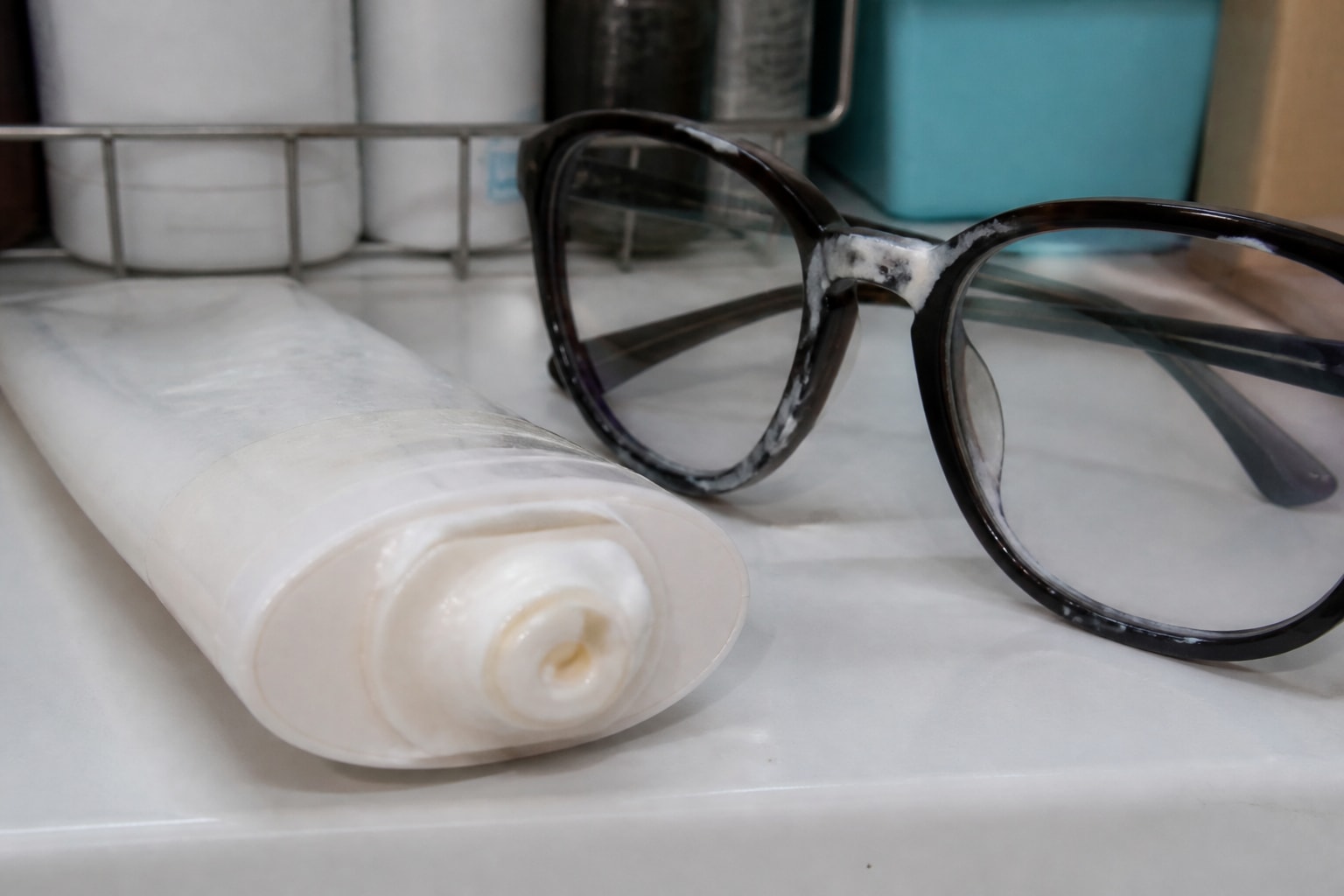
If you want to know how to stop sunscreen from making bangs greasy, keep using the recommended amount but stop it reaching your hair. Clip your bangs back, cover your forehead and hairline, then wait about 15 minutes before releasing them. If the fringe still separates, use a small amount of dry shampoo underneath or test a less tacky sunscreen. Don't skip forehead sunscreen because bangs move and don't provide dependable ultraviolet protection.
Why sunscreen transfers to bangs
Bangs sit against the forehead for hours, where they can pick up sunscreen, skin oil and other leave-on products. The strands then gather into shiny sections, even when your scalp and the rest of your hair look clean.
The sunscreen isn't always the only cause because moisturizer, serum, styling cream, sweat and humidity can add to the effect. You first need to find which layer reaches your hair.
Use this morning order
1. Start with dry hair and clip it back
Pin the whole fringe away from your forehead before applying skin care, including any loose pieces near the temples. Keep it clipped through application and the 15-minute pre-sun window.
If yesterday's dry shampoo or styling product remains at the roots, wash the fringe before testing a new routine. Otherwise, you can't tell whether today's sunscreen caused the greasy look.
2. Apply the full sunscreen layer
Use enough broad-spectrum, water-resistant sunscreen with SPF 30 or higher to cover exposed skin, including the forehead and hairline. The FDA lists the hairline among the places people often miss.
Keep the application neat rather than thin by smoothing product to the skin-hair border without rubbing it through your roots. If your part exposes scalp, protect that area with suitable sunscreen or a hat.
3. Wait before dropping the fringe
The American Academy of Dermatology advises applying sunscreen about 15 minutes before going outdoors. Keep the fringe clipped during that window as a practical transfer test. The 15-minute advice concerns sun protection, not a promise that every formula will dry matte.
Release your bangs after the wait and check the underside. If they separate at once, the finish may be too tacky for your hair. Switching formulas makes more sense than cutting the amount you apply.
4. Treat the hair, not the sunscreen film
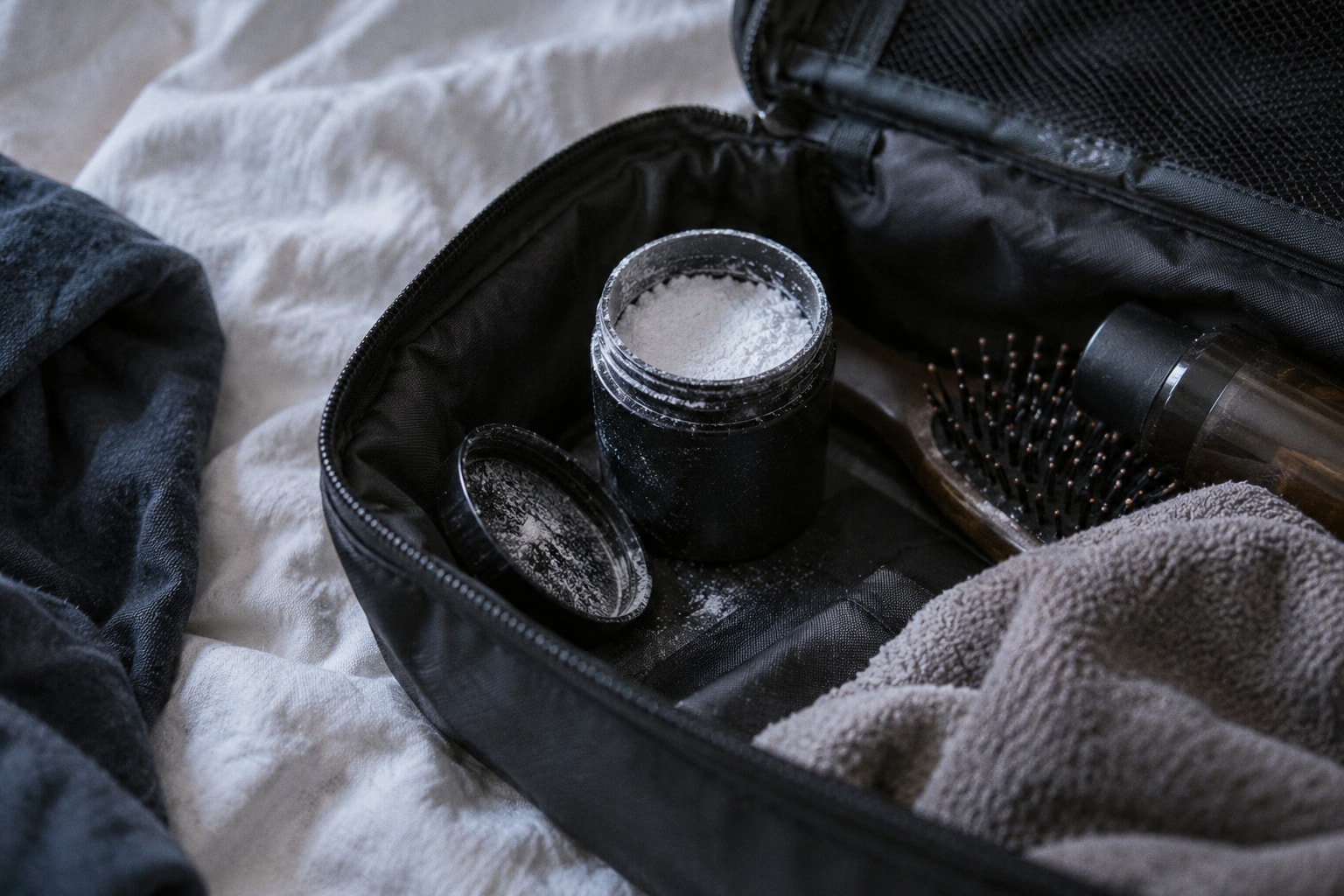
For clean, dry bangs, place a small amount of dry shampoo only where hair becomes oily. Aim at the underside or roots instead of your forehead, then wait and brush as the directions say.
Dry shampoo uses particles to absorb oil, but it doesn't clean hair. The American Academy of Dermatology warns that overuse can leave hair dry, stiff or gritty and may irritate the scalp. Wash with regular shampoo after one or two dry-shampoo uses.
Start small because too much powder can trade greasy sections for dull, dusty hair.
Fix greasy bangs during the day
Lift the fringe away from your face, then press a clean tissue against the hair itself, especially the underside. Don't rub the sunscreen-covered forehead and assume the protection remains unchanged.
A small study tested that assumption in 11 adults. Researchers applied one SPF 30 sunscreen to back skin, waited 30 minutes, then used oil-blotting paper. The average measured SPF fell from 20.70 before blotting to 13.99 afterward.
Those numbers aren't a universal rule because the study used one formula, a tiny group and back skin rather than faces. It still shows why blotting sunscreen off your forehead is a poor fix. If wiping, heavy sweating or swimming removes the film, reapply according to the label.
When the hair itself is beyond saving, wash just the fringe with regular shampoo and dry it fully. This removes oil instead of stacking more absorbent powder over old residue.

Run a simple three-day test
Change one thing at a time. Keep the weather, hairstyle and time outdoors as similar as you reasonably can.
- Day one: Use your current routine and clip your bangs back for the full 15 minutes.
- Day two: Keep the sunscreen, but remove one optional morning layer if your skin stays comfortable.
- Day three: Keep the day-two routine and switch only the sunscreen to another broad-spectrum SPF 30 or higher.
Check the fringe at the same times, such as after application, at lunch and late afternoon. Use the same mirror and lighting so each check is easier to compare.
The pattern matters more than one photo. Immediate separation can suggest transfer, but existing oil or another product may look the same. If the change takes hours, test oil control on the hair itself.
Mistakes that make the problem worse
- Skipping the forehead or hairline leaves exposed skin without dependable protection.
- Using less sunscreen may improve the finish by weakening the film you need.
- Blotting the forehead can remove part of the sunscreen layer.
- Spraying dry shampoo toward your face puts powder where it isn't needed.
- Treating dry shampoo as a wash lets oil and product build up.
- Relying on thick bangs ignores gaps caused by wind, movement and styling.
Hair does provide some ultraviolet protection. A laboratory study found that density, strand thickness and melanin affected that protection. The result doesn't make movable fringe a tested sunscreen substitute.
FAQ
Can I skip sunscreen under thick bangs?
No. Hair can reduce ultraviolet exposure, but its protection varies with density, thickness and color. Bangs part, lift and move, so apply sunscreen to exposed forehead and hairline skin rather than treating the fringe as fixed shade.
Can sunscreen make bangs oily straight away?
Fresh sunscreen can make bangs look oily if it reaches the hair. Existing oil and other skin or styling products can look the same. Keep your bangs clipped during application and the 15-minute wait, then change one part of the routine at a time.
Should dry shampoo go on before or after sunscreen?
Apply dry shampoo while your bangs are clipped back, either before sunscreen or during the 15-minute wait. Keep it on dry roots or the underside, then wait and brush as the label directs. Sunscreen belongs on the skin, while dry shampoo belongs on the hair.
Will a matte sunscreen always stop greasy bangs?
No. Treat "matte" as a product description, then test the finish on your own skin and hair. Try one new sunscreen at a time while keeping the same amount and morning routine. Choose the broad-spectrum SPF 30 or higher option you can wear consistently.