Quick answer
Frizzy eyelashes after a lash lift can signal overprocessing, especially when they also look kinked or start to break. The treated fibre won't return to its untouched state, but gentle care can limit more damage while new lashes grow.
Don't apply another lift or a DIY "relaxing" treatment. Eye pain, marked swelling, light sensitivity, or blurred vision needs prompt medical care.
What frizzy lashes can mean
A lash lift works like a small perm. One solution breaks and reorganises disulfide bonds inside the lash fibre, which holds it in a new curve. That chemical change lets the result last through washing.
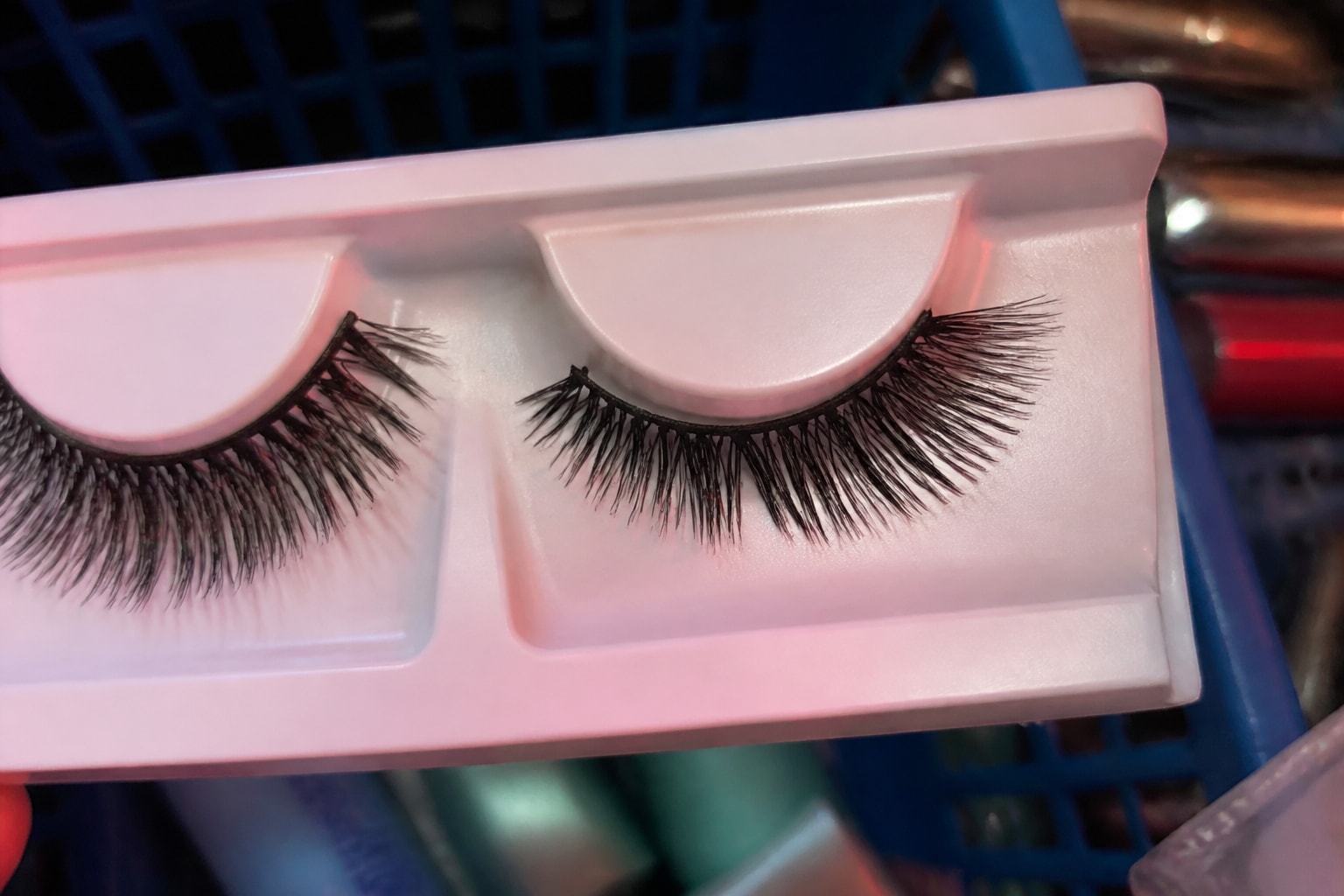
Excessive processing can leave lashes frizzy and prone to breakage. InStyle reports that this can happen when the solution stays on too long. Cleveland Clinic also warns that repeated chemical processing can damage lashes.
Overprocessing is plausible when frizz appears after the appointment and you also notice breakage. Those signs can't prove the cause because a photo doesn't show the formula, exposure time, or condition before treatment.
Uneven lashes that appear weeks later may be normal grow-out instead. New straight lashes mix with older curled lashes because each follicle follows its own cycle. That stage can look messy even when the new growth is normal.
What to do now
For now, protect the lashes from more chemicals, heat, and pulling while the treated shafts grow out.
- Skip another lift, perm, or chemical "reversal." Another perm changes an already altered fibre and may add more damage.
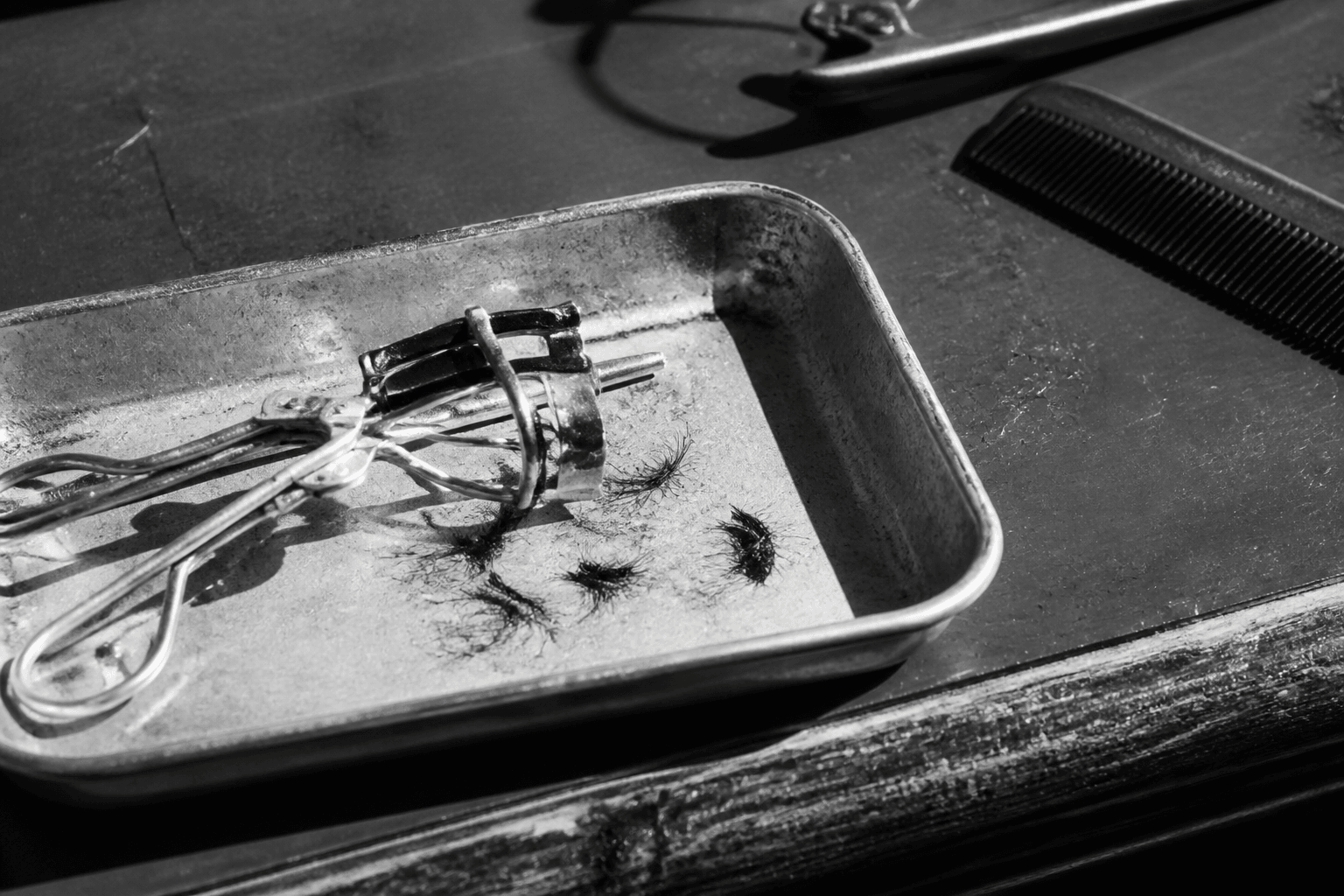
- Put away heated and clamp-style eyelash curlers. Cleveland Clinic warns that curlers can bend or break lashes, while heated versions can cause more damage.
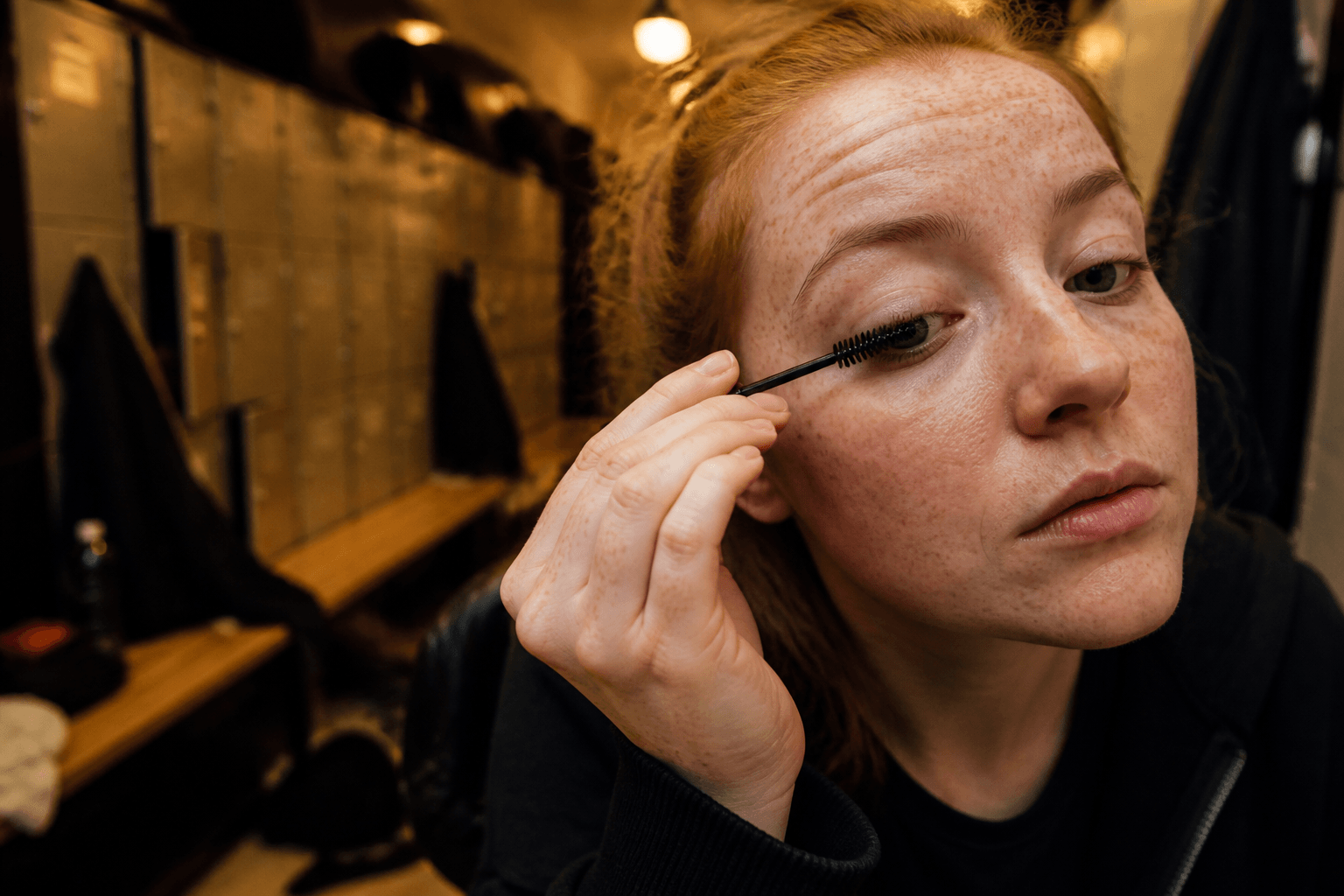
- If you wear mascara, choose one that comes off easily. Remove it with clean hands and light pressure because rubbing can contribute to breakage.
- Keep the lid margin clean. Debris around treated lashes can raise the risk of inflammation and infection.
Ask the salon which products and processing times were used, including any tint. Write the details down in case an eye doctor or dermatologist needs them. Don't accept an immediate chemical redo as routine aftercare.
Can oil or a lash serum repair them?
There is no proven quick repair for a chemically altered lash shaft. A 2023 review describes how perming changes the structure and strength of scalp-hair fibres. It doesn't establish that an oil can reverse those changes.
Applying that evidence to eyelashes is an inference because the review didn't study lash lifts. Castor oil, coconut oil, and "bond repair" serum claims deserve caution. A product may change how lashes feel or lie, but that doesn't prove the fibre has been rebuilt.
If you try a cosmetic conditioner, use one labelled for the eye area and stop if it stings. Keep it out of the eye itself.
Growth serum is different. It may affect future growth, but it won't repair the visible, treated shaft. Some prescription products have eye-area side effects, so discuss them with a clinician rather than self-treating.
How long will recovery take?
The processed part of a lash can't return to its untouched state. Improvement comes as damaged lashes shed and fresh lashes replace them.
An eyelash review reports that the full lash cycle can last about four to 11 months. The active growth phase lasts about four to 10 weeks. Those ranges don't mean your lashes will look frizzy for 11 months. They explain why one recovery timeline doesn't fit everyone.
Lashes cycle at different times, so you may see straight new growth beside tightly curled older hairs. If you track the change, take one clear photo each week in the same light and from the same distance.
Book a medical check if lash loss becomes patchy, leaves a bare area, or keeps worsening after you stop cosmetic treatments. A crusted, swollen, or painful lid also needs assessment because shaft damage alone doesn't explain it.
Know the eye warning signs
Frizzy lashes alone are cosmetic, but redness, swelling, discharge, pain, or vision changes point to an eye or eyelid problem.
Stop eye cosmetics if the eye or lid becomes irritated. Contact an eye-care professional that day for increasing swelling, discharge, or a lash that seems to scratch the eye. Pain, blurred vision, and light sensitivity need urgent eye care.
If lifting solution has just entered your eye, start rinsing at once. Mayo Clinic advises clean, lukewarm water for at least 20 minutes, removal of contact lenses, and urgent medical help. Don't rub the eye or try to neutralise the chemical with another product.
An itchy or swollen lid after the lift can reflect an allergic or irritant reaction. Stop new eye-area products and contact a clinician, especially if swelling is increasing or the eye itself is affected.
How to avoid the same problem next time
Wait until the treated lashes have grown out before considering another lift. Because lash cycles vary, a fixed calendar can't tell you whether your lashes are ready.
If you try again, choose a qualified, experienced professional who assesses your current lash condition. Tell them about this reaction and share the earlier product details if you have them. Ask how they adjust processing for fine, previously treated, or brittle lashes.
Skip home kits. Working on your own closed eyelid makes it hard to control placement and notice a leak. Cleveland Clinic advises having lash lifts done by a trained professional and notes that even salon treatments carry allergy and overprocessing risks.
FAQ
Are frizzy eyelashes after a lash lift permanently damaged?
The treated shaft can stay altered until it sheds, but that doesn't prove the follicle is damaged. New growth may be normal. Persistent bare patches or ongoing loss need a medical check.
Can a salon reverse an overprocessed lash lift?
Another chemical service may change the curl, but it also processes an already altered fibre. Repeated processing can add damage, so don't treat a same-day reversal as routine aftercare. Get medical help first if the eye or lid is irritated.
Why did my lash lift look good before turning messy?
Mixed grow-out is one possible explanation. Treated curled lashes gradually shed while new straight lashes appear on their own schedules. Breakage or worsening sparse areas makes damage more concerning.
Can I wear mascara on frizzy lashes?
You can use mascara if the eye and lid feel normal, but choose an easy-removal formula and handle the lashes gently. Stop if application or removal causes pulling, pain, redness, or more breakage.