Quick answer
Does thumb pulling work? There is no reliable clinical evidence that it widens the palate or reshapes an adult face. Thumb pressure isn't measured, while real expansion uses a fitted device and regular checks.
Soreness, a changed bite, or a photo that looks wider isn't proof, so ask a specialist to assess any suspected narrow upper jaw.
What thumb pulling claims to change
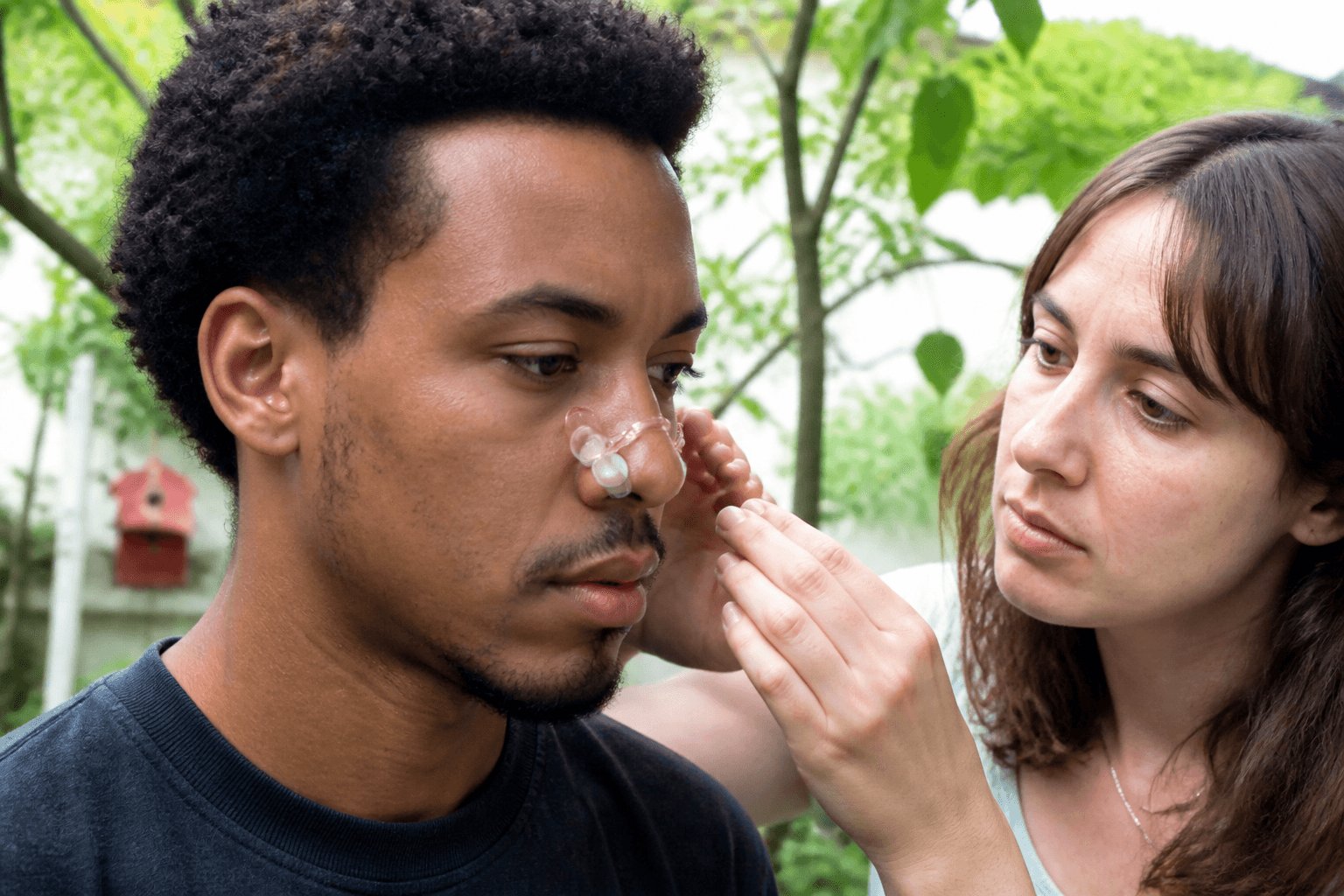
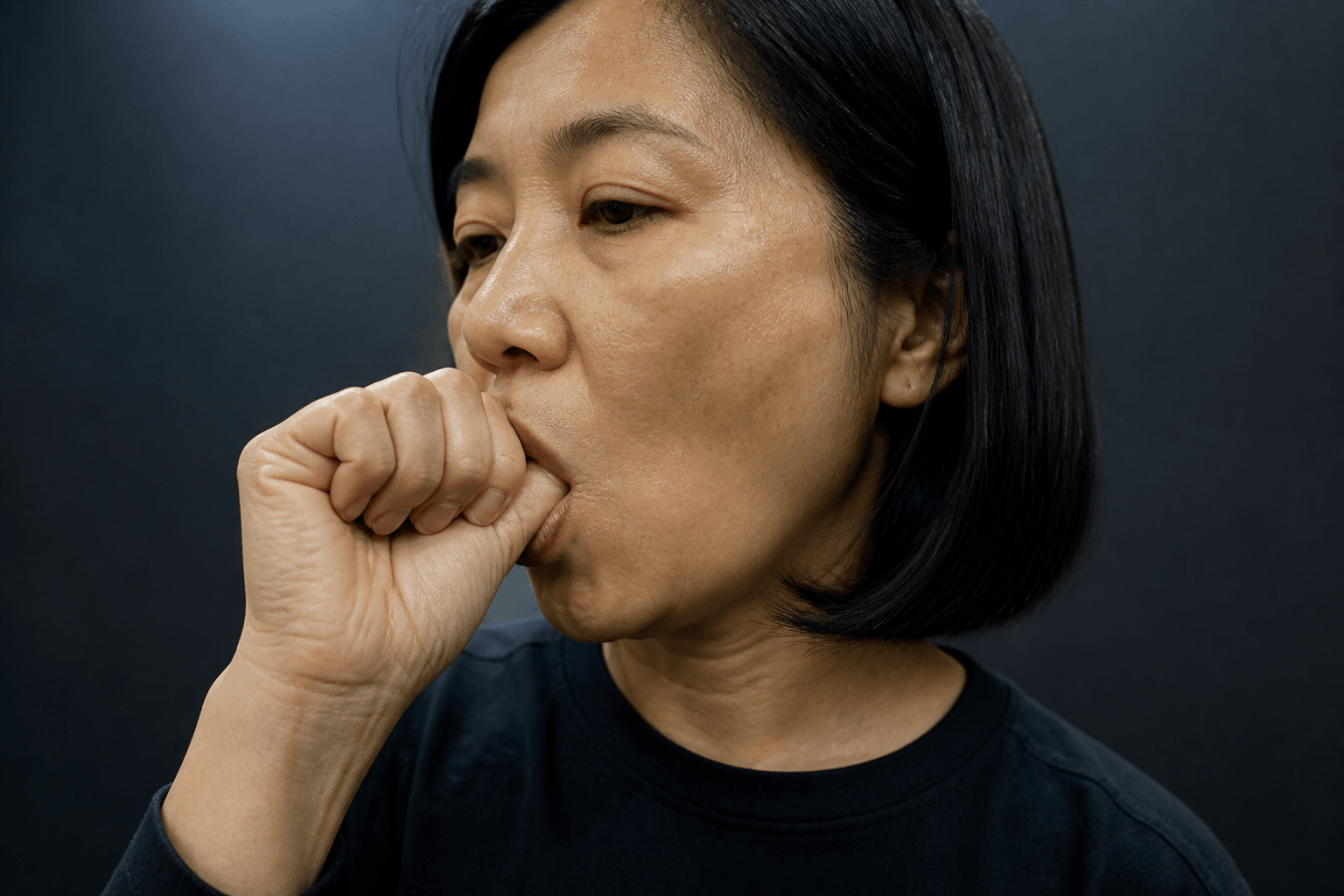
Thumb pulling is an online looksmaxxing practice that puts manual pressure inside the roof of the mouth. Supporters claim this pressure widens the upper jaw, creates more tongue space, or changes the cheekbones and jawline.
Those claims mix three different outcomes:
- A wider dental arch, which can come from teeth tipping outward
- Skeletal expansion of the upper jaw
- A face that merely looks wider in a photo
They aren't the same. A selfie can't show whether bone moved, teeth tipped, or the camera changed the proportions.
Why it isn't a DIY palate expander
A real palate expander is custom fitted and anchored to selected teeth, bone, or both. It applies controlled pressure across the upper arch. An orthodontist chooses the device, checks the bite, and watches the teeth and gums during treatment.
Thumb pressure has none of those controls. You can't measure the force, hold it evenly, or know which tissue takes the load. More pressure doesn't solve that problem.
The clinical evidence also studies devices, not thumbs. A 2024 review covered 75 studies of screw-supported rapid palatal expansion and related methods. It did not establish manual finger pressure as a treatment.
That difference matters. A plausible story about pressure isn't proof that a home method can widen bone safely.
What real palatal expansion can do
Specialists use palatal expansion for diagnosed problems such as a crossbite, severe crowding, or impacted teeth. The American Association of Orthodontists says these devices are most common in growing children and young teenagers.
Age changes the plan. A growing jaw may respond to a conventional expander more readily. Teenagers and adults have more mature facial bones, so treatment can take longer or need a different form of support.
Some adults may benefit from tooth-borne, screw-supported, or surgery-assisted expansion. That doesn't mean every smile that looks narrow needs treatment. Adult expansion is a medical procedure with patient checks, follow-up, and limits.
The 2024 review found support for screw-supported expansion in late teenagers and adults. It also covered effects on teeth, bone, and soft tissue. Those results can't be transferred to a hand method that wasn't tested.
Visible face change is a separate question. Cleveland Clinic notes that an expander widens the upper jaw but doesn't always change how the face looks. Claims about sharper cheekbones or a transformed jawline go beyond the evidence.
Why online comparison photos mislead
Palate width is measured inside the mouth. Most thumb-pulling posts show the face from the front or side instead.
Small photo changes can create a convincing result:
- A closer camera changes facial proportions
- Head rotation changes how much of each cheek you see
- Chin position changes the jaw and neck outline
- Expression changes cheek fullness and lip tension
- Lighting changes the shadows beside the nose and jaw
A 2018 camera model shows how large this effect can be. At a 12-inch selfie distance, the nasal base appeared about 30% wider than at a standard five-foot portrait distance. That study measured the nose, not the palate, but it shows why selfie width isn't structural proof.
Dental photos can mislead too. A wider smile or a different camera angle can expose more teeth without showing skeletal expansion.
A selfie or AI face scan may help you compare visible skin signals. It can't measure the roof of your mouth, diagnose a crossbite, or confirm bone movement. That needs a dental exam and records chosen by the clinician.
The risks are uncertain, not absent
Clinical reviews of palatal expansion don't test thumb pressure. They can't provide a proven safe force, schedule, or expected result for this method.
Manual pressure may irritate the lining of the mouth or make sore areas worse. The larger concern is trying to move teeth or alter a bite without checking the roots, gums, and supporting bone.
The British Orthodontic Society warns that DIY tooth movement without a specialist can produce a poor result and require more care. Its warning covers DIY orthodontics broadly, not thumb pulling alone. It still shows why tooth movement needs an exam and regular checks.
If you wear braces, aligners, or a retainer, don't add unplanned forces of your own. They can work against a treatment plan that was designed for your bite.
Stop and arrange dental care if you notice a loose tooth, bleeding gums, lasting pain, or a bite that suddenly feels different. These are problems to assess, not signs that expansion is working.

What to do if your palate seems narrow
Start with the problem you can actually observe. Crowding, a back-tooth crossbite, chewing trouble, and teeth that don't meet evenly are useful details for a dentist or orthodontist. A narrow-looking smile in one photo is not a diagnosis.
Ask the clinician two plain questions:
- Is the issue mainly tooth position, upper-jaw width, or neither?
- Would treatment improve function or dental health, rather than only chase a photo?
The assessment may include your dental history, a bite exam, gum health, and suitable records. Imaging isn't routine. The clinician should use it only when the result would affect your care.
FAQ
Can thumb pulling change your face shape?
There is no controlled human evidence that thumb pulling reshapes an adult face. Apparent changes in photos are more likely to reflect pose, camera distance, expression, lighting, or normal changes over time.
Can adults widen their palate?
Yes, selected adults can have palatal expansion planned by a specialist. The right method depends on the bite, jaw shape, dental health, and growth stage. Adult treatment may use different devices or surgical support.
How can I tell if I have a narrow palate?
You can't diagnose it from a face selfie or by comparing your smile with an influencer's. An orthodontist checks the upper and lower arches together, looking for findings such as a crossbite, crowding, and poor fit between the teeth.
Can thumb pulling move your teeth?
Thumb pulling isn't a reliable or controlled way to move teeth. If a tooth position or your bite seems to change, stop and get it checked. An unplanned change is a warning, not proof of safe bone expansion.