Quick answer
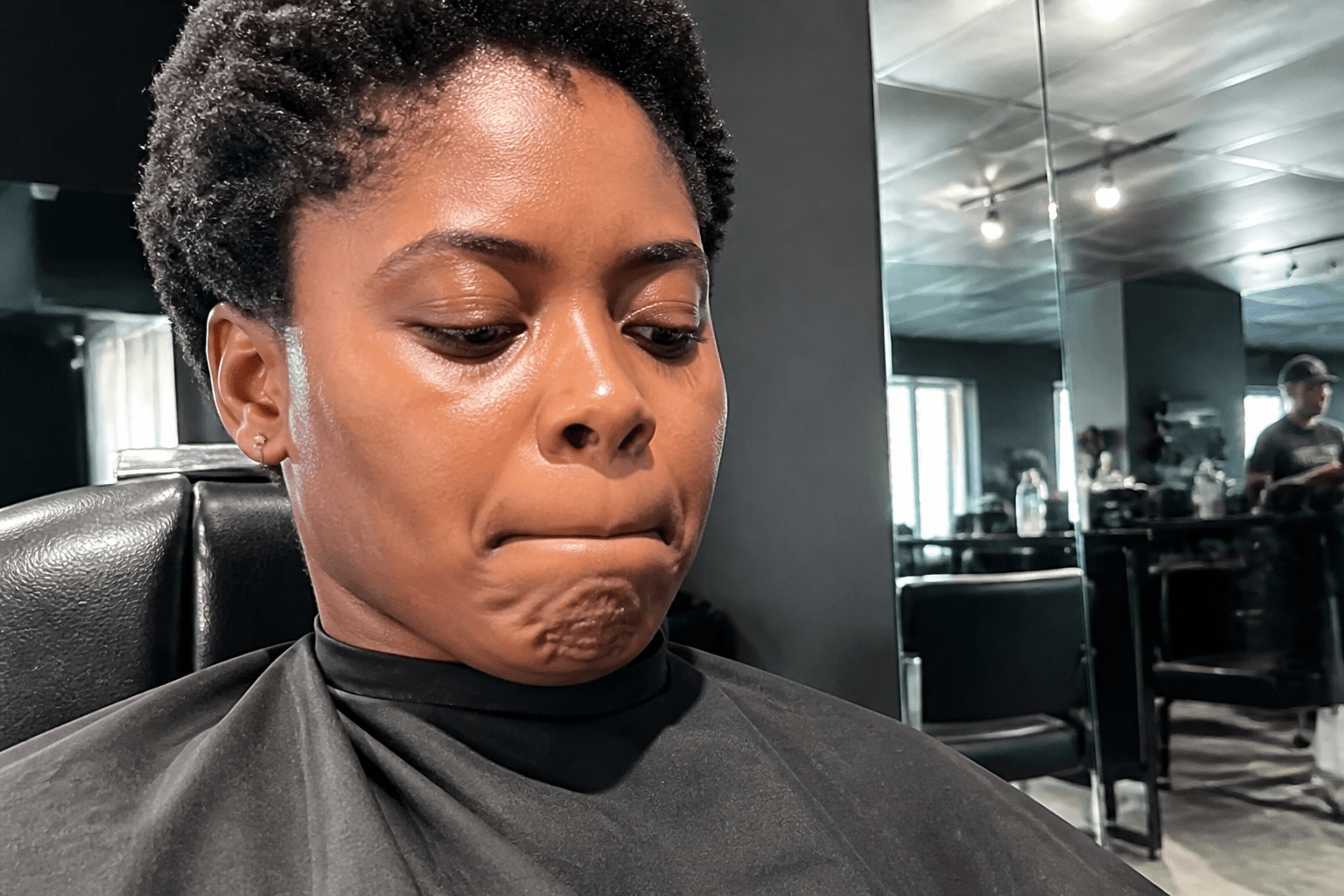
Does jaw clenching make your face wider? It may. Long-term clenching is linked with thicker masseter muscles, which can give the lower face a wider or squarer look.
The change is not universal, and jaw width alone cannot diagnose bruxism. Bone shape, soft tissue, and camera distance also affect how wide your face looks. Do not clench on purpose or train through jaw pain to chase this effect.
How clenching can widen the lower face
The masseter is the thick chewing muscle near the angle of your jaw, and it contracts when you bite down. Like other muscles, it can grow when it works against repeated force.
A 2024 Scientific Reports study used ultrasound on 96 people with temporomandibular disorders. The 30 participants with bruxism had thicker masseters than the others, both at rest and while clenching.
That result supports a link, but it does not prove that clenching widened their faces. Every participant already had a jaw disorder, and the study took measurements at one point in time. It did not track healthy people as they began or stopped clenching.
Aguilera and colleagues' 2017 clinical review links long-term clenching with masseter enlargement and a squarer lower face. It is not a trial, so it cannot predict who will develop visible muscle growth.
The available studies point to muscle thickness, not a new adult jawbone shape. They do not support deliberate clenching or hard chewing as safe ways to remodel your jawline.
A wide jaw does not prove you clench
Natural jaw width varies because the lower jawbone, masseter size, fat distribution, and skin all shape the same outline.
Photos add another source of error: a study of 30 adults compared close selfies with a clinical photo taken from five feet away. It did not test jaw width, but it shows why unmatched selfies are poor evidence of a subtle face change.
To track a change, compare like with like using the same camera, distance, height, lighting, and neutral expression. Keep your teeth apart and your jaw relaxed. Monthly photos are more useful than checking from different angles each day.
Stop tracking if it makes you inspect your face more often or feel worse about it. The goal is to spot a stable change, not grade your appearance.
Check function before face shape
Bruxism means clenching, grinding, or bracing the jaw while awake or asleep. The National Institute of Dental and Craniofacial Research (NIDCR) lists worn enamel, chipped teeth, tooth sensitivity, and jaw soreness among its signs. Headaches and a tired or tight jaw can also occur.
You may notice daytime clenching yourself, but sleep bruxism is harder to catch. A partner might hear grinding, or a dentist may see a wear pattern during an exam.
One symptom does not confirm the cause, since jaw pain and tooth wear can have other explanations. A dentist can check your teeth, chewing muscles, bite, and jaw movement. A sleep study is sometimes used when sleep bruxism is suspected.
Get professional care if you have ongoing pain, cracked teeth, locking, limited mouth opening, or a changed bite. Painless jaw clicking is common and often needs no treatment, according to the same institute.
What to do if you keep clenching
Start by protecting your teeth and reducing the habit, rather than treating a wider jaw as proof that you need a cosmetic procedure.
For awake clenching, notice when your teeth touch outside meals and rest with your upper and lower teeth apart. Phone or desk reminders can help until that position becomes familiar.
Cut out deliberate jaw workouts, prolonged gum chewing, and hard chewing devices, which add load to an overworked muscle. Stop any activity that brings on pain or fatigue.
Stress, caffeine, alcohol, smoking, and some medicines can be linked with bruxism. Look for patterns rather than blaming one item after a bad night. Speak with the clinician who prescribed a medicine if clenching began after a change, and do not stop it on your own.
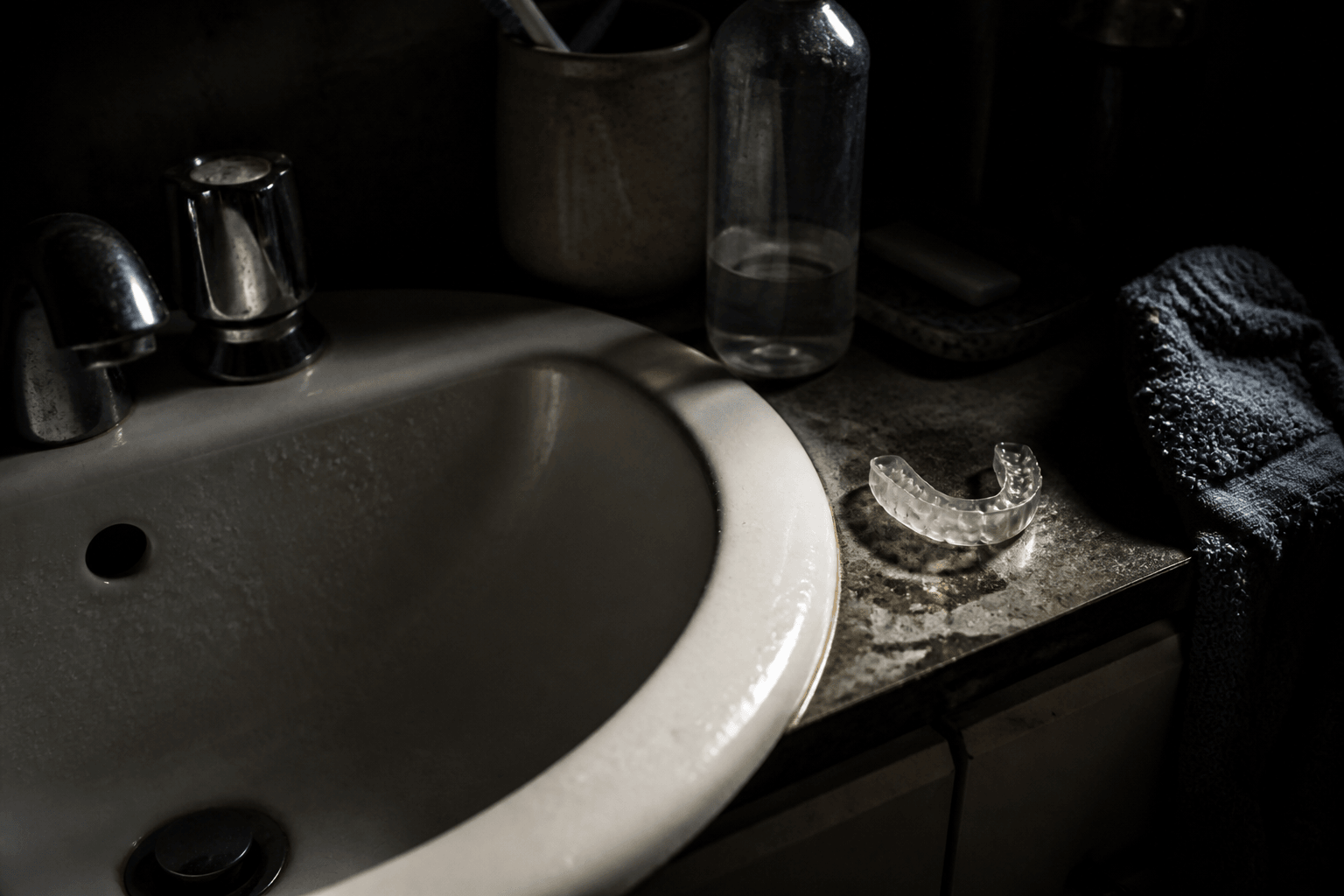
A dentist may recommend a mouth guard, which separates the teeth, limits damage, and may reduce muscle activity. It does not guarantee that you will stop clenching, and it is not a proven face-slimming tool.
If pain or restricted movement points to a temporomandibular disorder, start with reversible care. NIDCR advises avoiding treatments that permanently change the teeth, bite, or jaw joints when simpler options may help.
Will your face get narrower after you stop?
Neither the 96-person ultrasound study nor the injection trial tracked untreated clenching after it stopped. They cannot tell you whether your face will narrow, how much it might change, or when.
Do not assume that less clenching will change your outline. Bone structure and fat distribution can keep the lower face looking much the same.
Judge progress by symptoms, since fewer headaches and no new tooth damage matter more than a small photo shift. Check appearance no more than monthly under matched conditions.

What about masseter botulinum toxin?
Botulinum toxin type A injections can reduce masseter activity and thickness for a time. They are medical treatments, not home jaw-slimming methods, and they do not fix every cause of clenching.
A 2024 triple-blind trial enrolled 26 women with masseter enlargement to test abobotulinumtoxinA. Twenty-two completed six months, and the authors found reduced muscle thickness, activity, and chewing performance after injections.
That small study included only women aged 25 to 50, so it cannot show what repeated treatment does over many years. NIDCR also notes that botulinum toxin type A is not FDA-approved to treat TMD in the United States.
If you are considering injections, see a qualified dentist or medical clinician who can first assess why you clench. Ask which product and medical or cosmetic use they propose.
Avoid mail-order injectables and anyone who skips a dental or medical history. Facial width is not worth risking poor chewing or treatment of the wrong problem.
FAQ
Can daytime jaw clenching make your jaw wider?
It may contribute, but the available studies do not isolate daytime clenching or prove that it changes visible face width. Jaw fatigue, tooth contact at work, or evening soreness are reasons to discuss the habit with a dentist.
How can I tell whether my jaw width is muscle or bone?
You cannot separate muscle, bone, and fat reliably from a photo. A clinician can examine the area and check whether the masseter is enlarged.
Will a night guard make my face slimmer?
Do not count on it, because a night guard mainly protects teeth and may lower muscle activity for some people. NIDCR presents guards as tooth protection, not a way to reduce facial width.
Can clenching make one side of my face bigger?
Possibly, but one-sided fullness does not prove uneven clenching. See a dentist if it comes with pain, a changed bite, jaw locking, or limited opening.