Quick answer
Can over-ear headphones cause acne? They can aggravate acne-prone skin where the ear pads press, especially during long or sweaty sessions. The likely route is acne mechanica: trapped heat and sweat plus repeated friction irritate follicles. Direct studies of headphone acne are lacking, so treat the link as a pattern to test, not a fact about every breakout.
Why headphones can trigger acne-like bumps
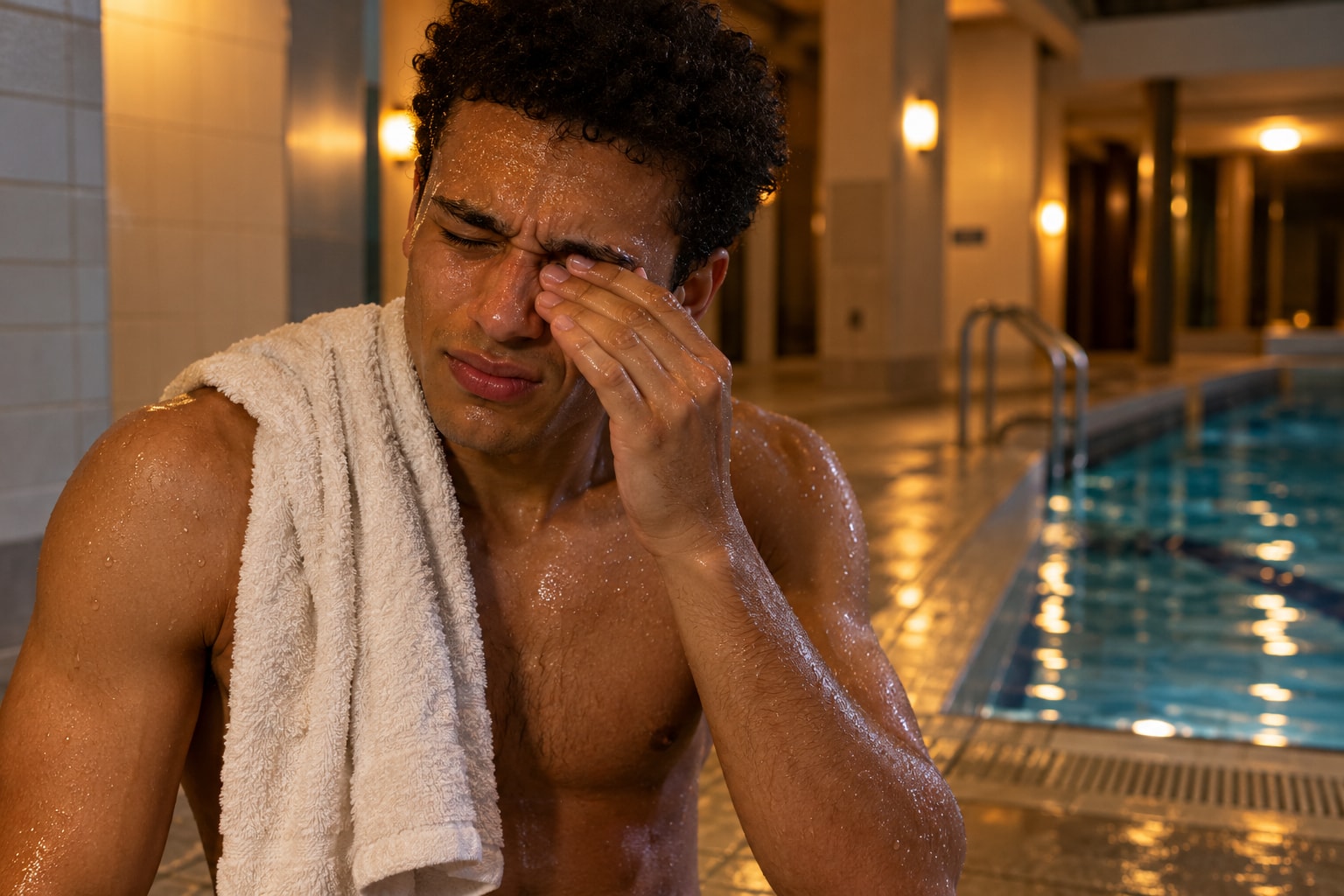
The American Academy of Dermatology describes acne mechanica as a breakout caused by heat, sweat, pressure, and rubbing under equipment. Its examples include helmets and straps, not headphones. Still, a close-fitting ear pad creates a similar contact pattern around your temples, cheeks, and ears.
Small rough bumps may appear first, then continued rubbing can turn them into obvious pimples on acne-prone skin. A tight fit, warm room, or workout adds more heat and moisture.
Oil, skin residue, hair products, and sweat can also collect on the pads. Transfer from a shared or unclean surface may add irritation. Yet “dirty headphones” is too simple an answer because freshly cleaned pads can still press and rub.
That distinction matters. You can clean the device and still need to change how it contacts your skin.
Does the pattern fit headphone acne?
Location is the strongest clue: breakouts should follow the parts that touch or sit just inside the ear-pad edge.
- Bumps cluster at the temples, upper cheeks, in front of the ears, or behind them.
- They worsen after longer listening sessions, workouts, hot days, or a tighter headband setting.
- Early spots feel small and rough, then develop into papules, whiteheads, or occasional pustules.
- One side may be worse where a pad sits tighter.
- Fewer new spots appear when you stop using the headset or reduce contact.
These clues support a link, but they don't prove one because acne can affect the same areas without headphones. Hair products, glasses, headwear, and existing treatment changes can confuse the pattern.
A strongly itchy, scaly, or cup-shaped rash points elsewhere, as do draining bumps, sharp pain, or symptoms inside the ear canal.
Run a controlled contact test
Give the test six weeks because acne changes slowly, and switching your entire routine at once will hide the answer.
Record the contact zone
Take one clear photo of each side, then repeat weekly with the same lighting, camera distance, and angle. Count new raised spots along the pad line instead of judging redness from one selfie.
Keep the photos private if that helps you track without checking the mirror all day. A photo can show a visible trend, but it can't diagnose acne, folliculitis, or allergy.
Reduce pressure and wear time
Use speakers or another device that doesn't touch the affected skin when safe and practical. If you need the headphones, loosen the headband enough to reduce pressure and take off-skin breaks during long sessions.
There is no evidence-based rule such as ten minutes off every hour. The useful target is less continuous rubbing, less trapped sweat, and no pain from the fit.
Clean the pads without creating a new irritant
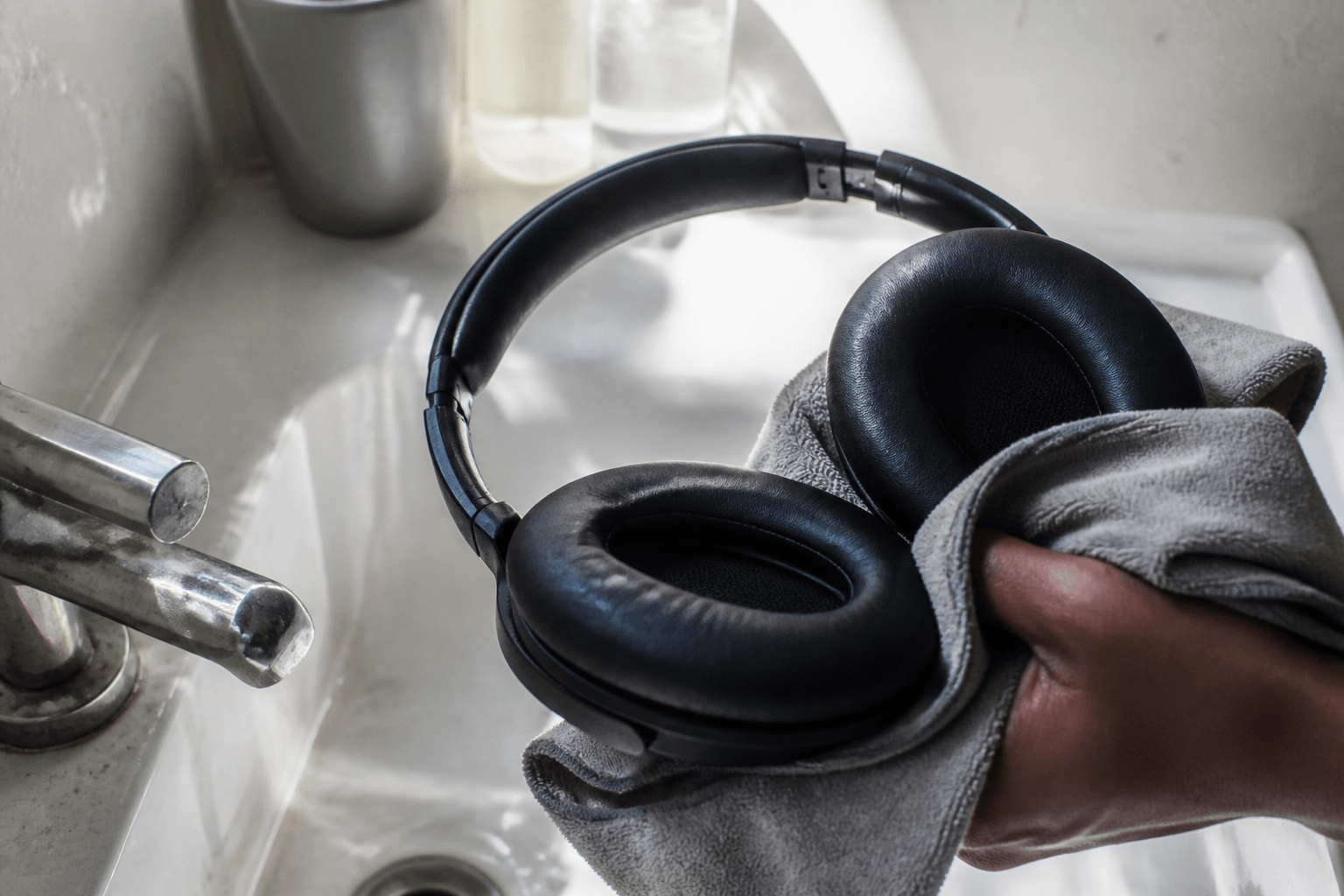
Follow the maker's cleaning instructions for your pad material. Wipe skin-contact surfaces after a sweaty session, then let them dry fully before the next use. Don't soak electronics or improvise with a strong solvent that the maker doesn't recommend.
Avoid sharing headphones where practical, and clean the contact surfaces as directed before wearing any shared pair.
Keep skin care steady and gentle
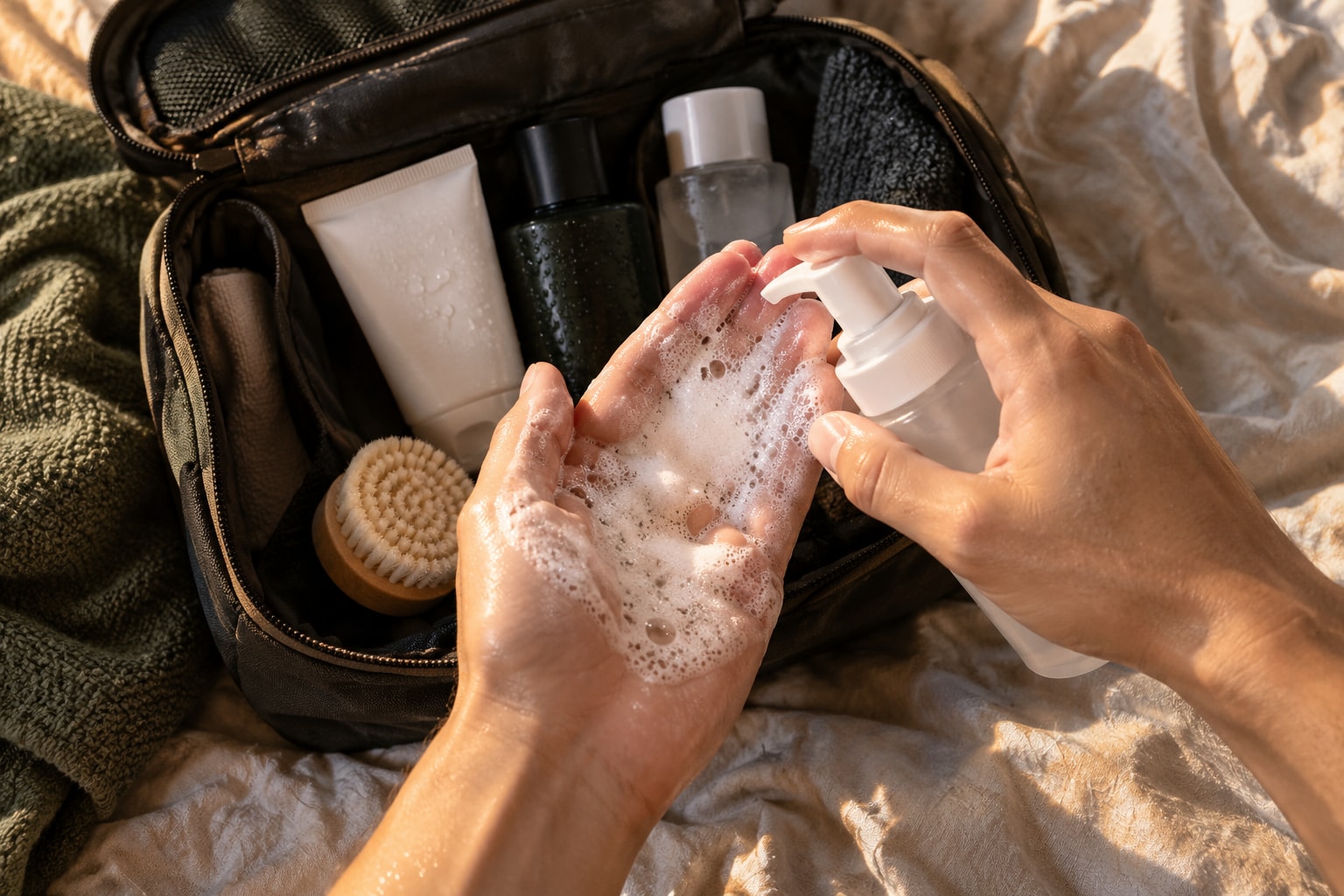
After heavy sweating, wash the contact area with the AAD's recommended mild cleanser, warm water, and fingertips rather than scrubbing.
Keep your existing acne routine stable during the test unless it is irritating you. Adding several acids while reducing headphone use makes the result harder to read and can create a second rash.
For mild acne mechanica, the AAD says salicylic acid often helps unclog pores. Keep any acne medicine away from your eyes and ear canal, follow its label, and ask a pharmacist if you're unsure.
It may be contact dermatitis, not acne
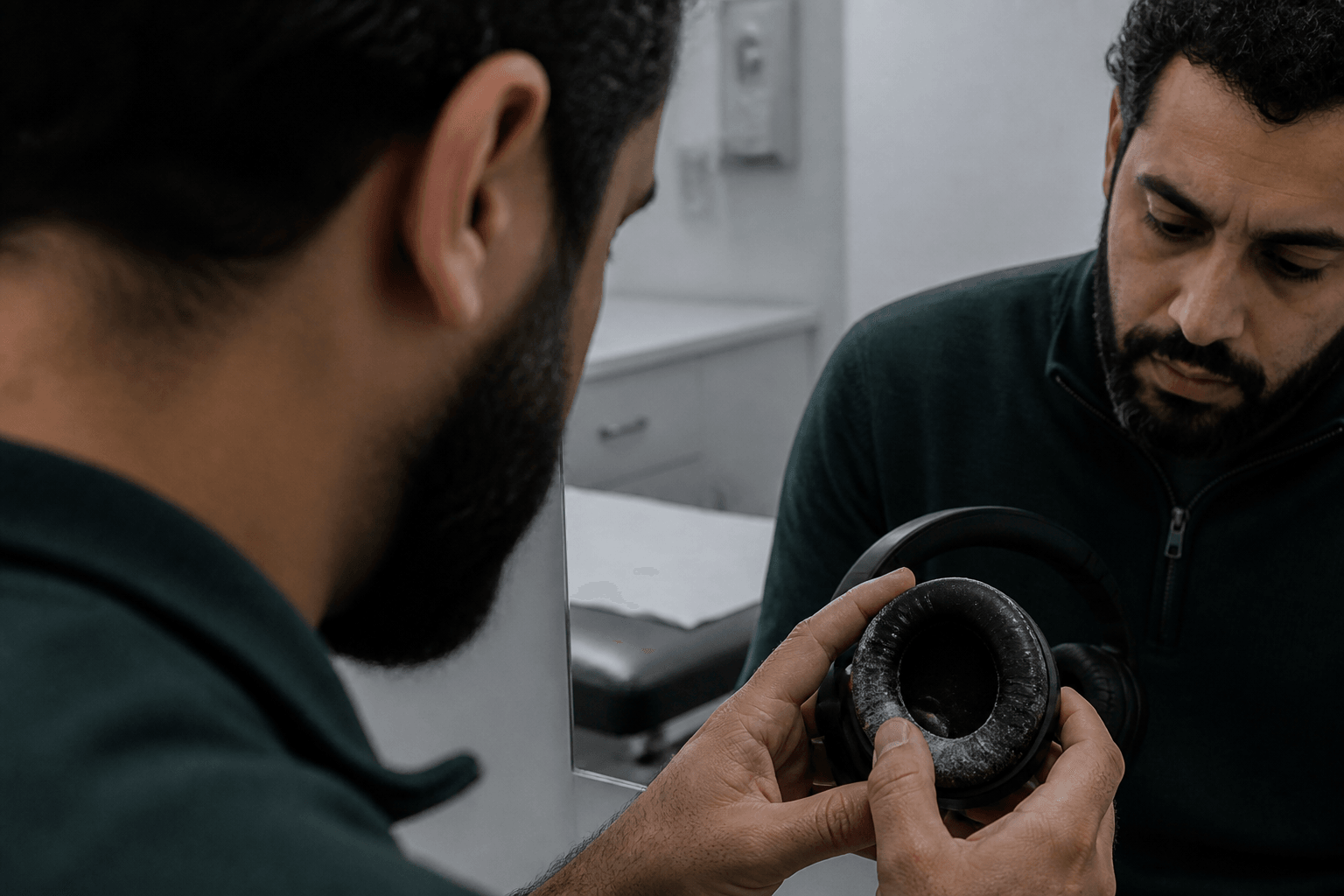
An itchy rash that follows the headphone cushion's outline deserves a different response. Contact dermatitis can burn, scale, crack, swell, or blister. Acne more often produces individual blocked or inflamed follicles.
This isn't only theoretical. A 2024 paper described wireless over-ear headphones as a source of allergic contact dermatitis from isothiazolinones. A later case series reported four patients with reactions to octylisothiazolinone in headphone materials.
Those are small clinical reports. They don't show how often headphone allergy occurs, and they don't mean every synthetic cushion contains that preservative.
Stop using the suspect headphones if a rash is itchy, spreading, or shaped like the pads. Cleaning won't remove an allergen built into the material. A GP or dermatologist can assess the pattern and arrange patch testing when needed.
Don't apply random steroid, antibiotic, or antifungal creams around your ears. The right treatment depends on the diagnosis and the exact site.
Could it be folliculitis?
Folliculitis is inflammation or infection around a hair follicle, and it can look like acne. Cleveland Clinic notes that excess sweating can trigger some forms. The bumps may itch, feel sore, or contain fluid.
You can't reliably identify the cause from a selfie. See a clinician if bumps become firm, painful, draining, or spread beyond the contact area. Fever, chills, or feeling unwell also need prompt care.
When to stop testing and get help
The AAD advises seeing a dermatologist when suspected acne mechanica remains after six to eight weeks of treatment. Go sooner if you develop deep painful lumps, scarring, or rapidly worsening inflammation.
Persistent or recurrent dermatitis also needs a GP or dermatologist. Bring the headphone model, replacement-pad details, and a timeline of when the rash appears. That information is more useful than a long list of skincare guesses.
FAQ
Can dirty headphones cause acne?
Residue, oil, and sweat on the pads may add to a breakout, especially when the surface is shared. Dirt isn't the only mechanism, though. Pressure, friction, and trapped heat can aggravate acne even when the pads look clean.
How often should I clean over-ear headphones?
There is no universal medical schedule for every material and model. Clean skin-contact pads after sweaty use or visible residue, following the maker's instructions, then let them dry fully.
Can headphones cause acne behind your ears?
They can contribute to bumps wherever a pad rubs and traps heat, including behind the ears. Strong itch or scaling may indicate dermatitis, while painful or draining follicle-centred bumps need medical review.
Will switching to earbuds fix headphone acne?
Earbuds remove pressure from the outer pad line, so they may help that specific pattern. They can irritate the ear canal too, so clean them, don't share them, and stop if they cause pain or rash.