Quick answer
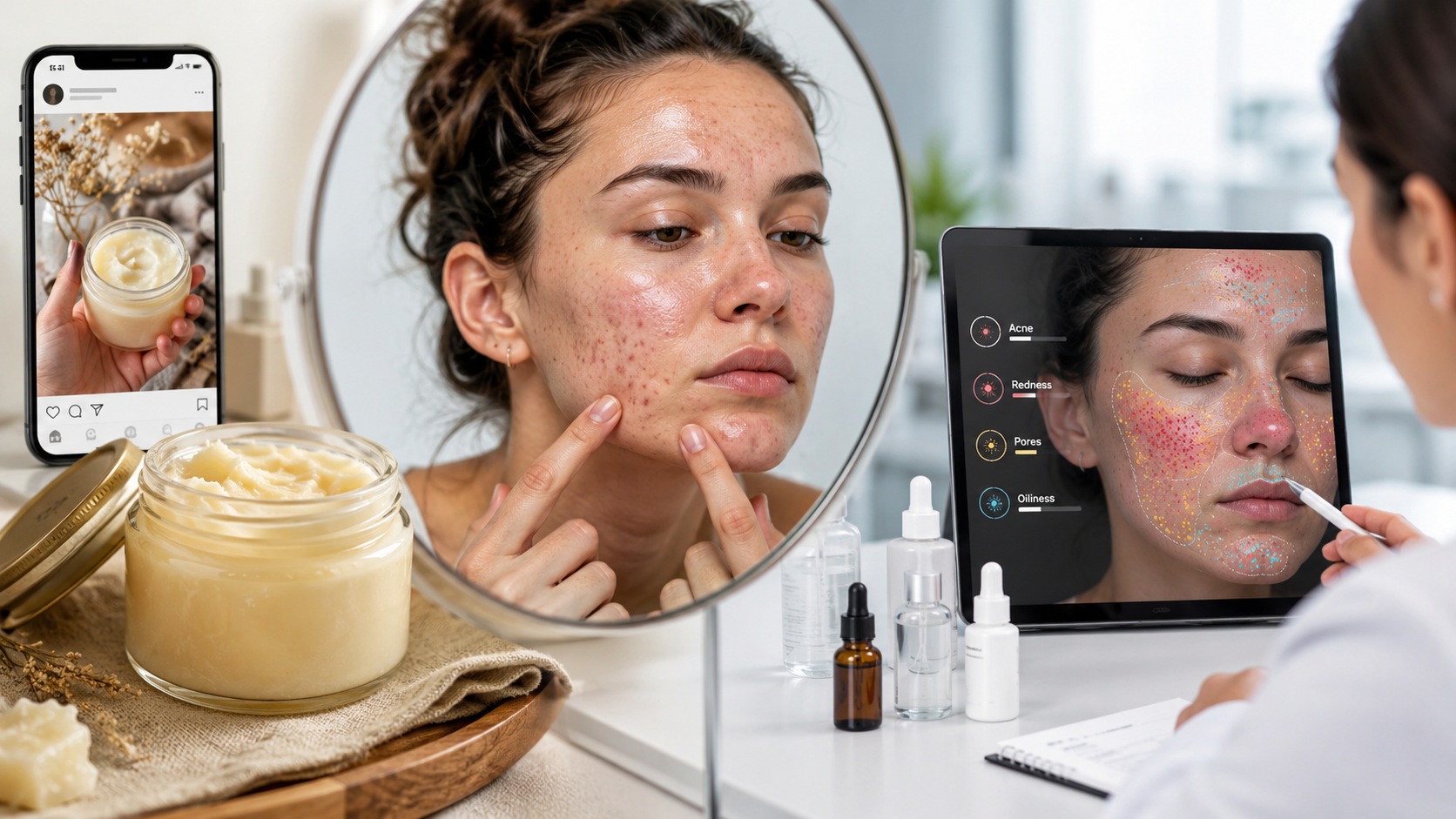
An AI skin scan can detect and score visible patterns in a face photo, including acne-like spots, pore visibility, facial redness, oiliness or shine, and under-eye darkness. It can also show heatmaps and per-zone differences when the image is clear enough. That does not make it a medical diagnosis.
The honest version is this: AI can help you see and track visible skin signals. It cannot confirm the medical cause, replace a dermatologist, evaluate every skin type perfectly, or tell you whether a lesion is dangerous. LooksMax Scan is built as a private self-improvement and tracking tool, not a diagnostic app.
Why this is trending
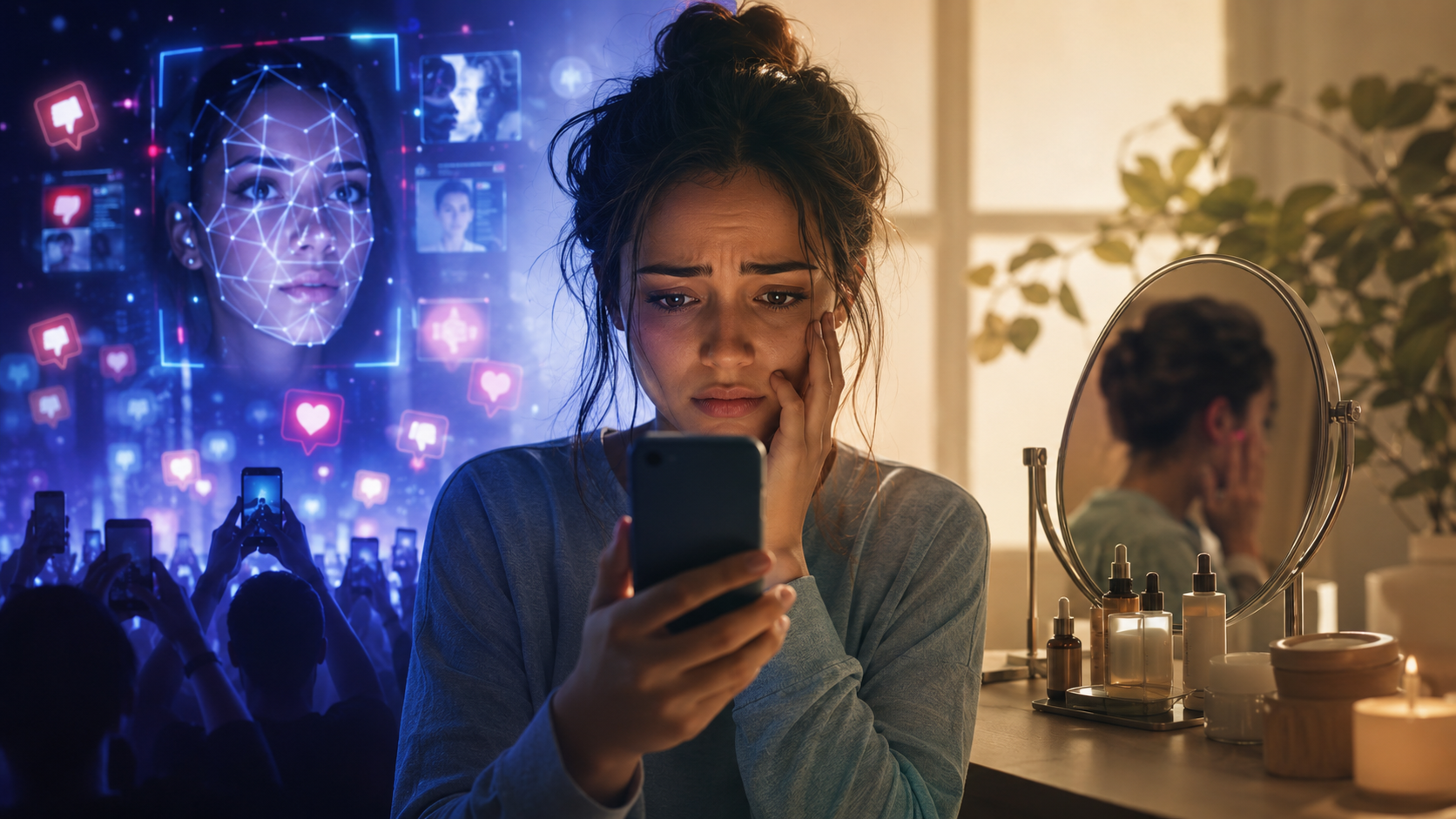
AI skin analysis is trending because it solves a real problem: most people do not know what to prioritize. A person may feel their skin looks "bad" but not know whether the main issue is acne, redness, oiliness, pores, lighting, dryness, or dark circles. Computer vision can turn that vague feeling into a structured report.
The trend also fits the growth of AI in health and beauty. People now expect tools to analyze images, summarize patterns, and personalize recommendations quickly. In skincare, that can be useful if the tool is transparent about limitations. It can be harmful if it pretends to diagnose disease or pushes users into unnecessary products.
LooksMax Scan's positioning is practical: one photo, face mapping, five visible metrics, heatmaps, confidence bands, and a plan. The goal is not to rate your face. The goal is to help you decide what to work on first.
What the evidence says
Research on AI dermatology apps shows both promise and caution. AI can support access, education, and pattern recognition, but reviews of consumer dermatology apps have found gaps around validation, safety, transparency, clinician involvement, privacy, and communication. Those gaps matter because users may over-trust a confident-looking output.
For a non-diagnostic skin scan, the safest approach is to measure visible features rather than claim medical certainty. Acne-like spots can be localized, but a photo cannot always distinguish acne from folliculitis, irritation, insect bites, or other lesions. Redness can be scored, but a scan cannot confirm rosacea, dermatitis, sunburn, or allergy. Oiliness can be inferred from shine patterns, but lighting and product residue can affect the result. Dark circles can be measured visually, but the cause may be vascular, pigmentary, structural, lifestyle-related, or mixed.
Good AI skincare content should therefore be explicit: this is a screening and tracking aid, not a diagnosis.
What LooksMax Scan can help you check
LooksMax Scan uses a clear face photo and face mapping to isolate skin zones. The analyze page describes MediaPipe locating 478 facial landmarks, five parallel computer-vision pipelines, and outputs such as heatmaps, per-zone scores, and a personalized AM/PM plan.
The five core checks are practical. Acne analysis can show visible spot distribution. Pore analysis can highlight where pores appear enlarged or more noticeable. Redness analysis can show areas of uneven tone or inflammation-like color. Oiliness analysis can identify shine patterns, especially around the T-zone. Dark-circle analysis can measure under-eye darkness in the submitted image.
The most valuable output is prioritization. If the scan shows high oiliness and pores but low acne, your next step may be different from someone with visible breakouts and redness. If dark circles are the main signal, you may focus on lighting, sleep, allergies, hydration, and gentle eye-area care rather than acne products.
What it cannot diagnose
LooksMax Scan cannot diagnose acne vulgaris, rosacea, eczema, dermatitis, infection, melasma, periorbital hyperpigmentation subtype, allergic reactions, hormonal conditions, or any medical disease. It cannot determine whether a mole is suspicious or whether a rash needs urgent care. It cannot replace an in-person exam, dermoscopy, lab work, patch testing, or a clinician's judgment.
It also cannot eliminate image quality problems. Bad lighting, makeup, filters, facial hair, sunglasses, shadows, low resolution, wet skin, heavy sunscreen, or extreme angles can reduce accuracy. The user has to provide a clear, front-facing photo for the result to be meaningful.
AI should not be used to create shame. If a score makes you feel panicked, remember that it is a measurement of a photo, not a judgment of your identity.
Practical next steps
Use the scan as a baseline. Upload a clear, front-facing image with natural light, no sunglasses, and minimal visual obstruction. Confirm the face mesh looks right. Save the result and choose one priority.
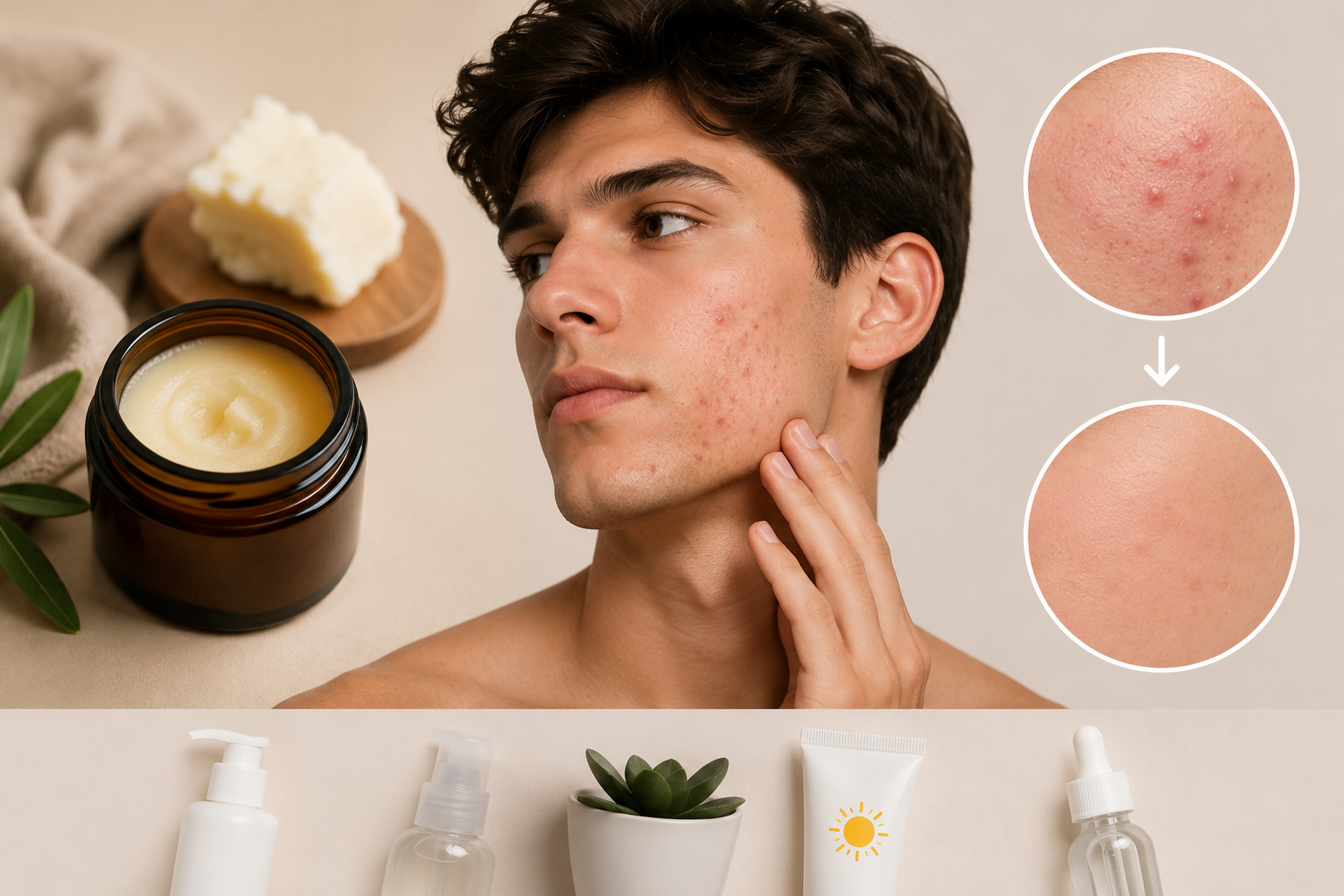
Make one routine change at a time. For acne, that may mean simplifying pore-clogging products or considering evidence-backed acne ingredients. For redness, it may mean pausing irritating actives and protecting the barrier. For oiliness, it may mean a lighter moisturizer or sunscreen. For pores, it may mean gentle oil-control and patience. For dark circles, it may mean consistent sleep, allergy management, lighting awareness, and sun protection.
Retest under similar conditions. Progress tracking only works when the inputs are comparable. A scan in harsh overhead light after a late night should not be compared with a scan in soft daylight after vacation.
Use professional care when appropriate. AI can help you notice patterns, but persistent, painful, sudden, scarring, spreading, or emotionally distressing skin concerns deserve qualified medical advice.
For the best results, think like a tester. Keep the camera steady, avoid filters, remove sunglasses, pull hair away from the face, and do not scan immediately after heavy exercise, shaving irritation, exfoliation, or a hot shower unless that is the specific trigger you are investigating. Clean inputs make the output more useful. A better photo will not make AI medical, but it will make visible-signal tracking more consistent.
Run a private AI skin scan on LooksMax Scan.