Quick answer
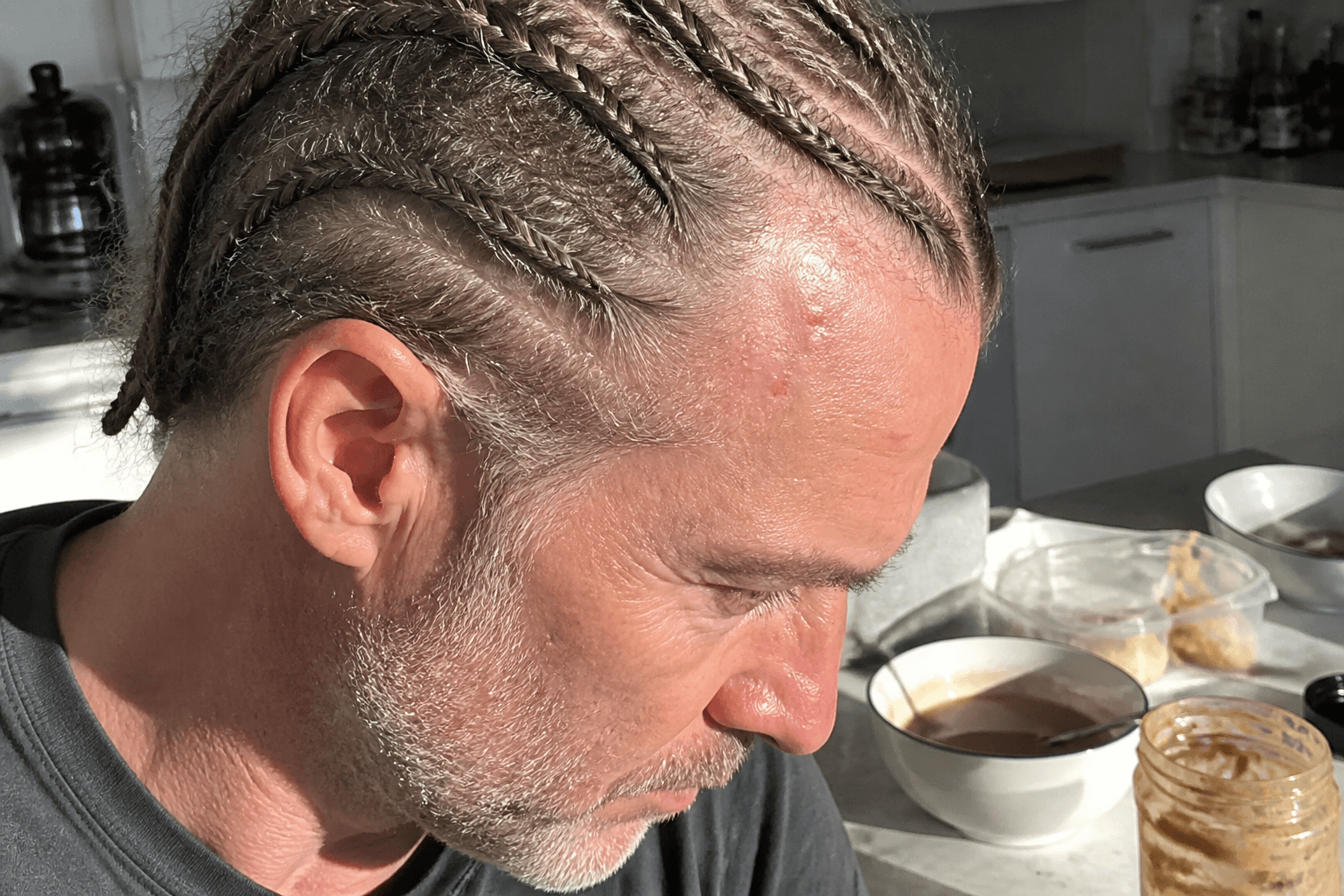
Bumps along your hairline after braids are often an early warning that the style is pulling too hard. Ask your stylist to loosen or remove every braid causing bumps, pain, stinging, or lifted skin. Do it now, not after the style has had time to “settle.”
Pus-filled bumps, spreading redness, or an intense itch may point to folliculitis or product irritation instead. Those patterns need different care; braids are not the problem by default. Tension, weight, wear time, and repeated pulling are.
What bumps along your hairline after braids mean
The hairline is often the first place to show traction damage. The American Academy of Dermatology lists pain, stinging, crusts, and “tenting” skin as reasons to change a hairstyle immediately.
Small bumps can appear before you notice thinning. The British Association of Dermatologists also lists redness, spots, and white hair casts near areas under tension. Hair casts look like little sleeves around the shaft; they are not proof that an entire follicle was pulled out.
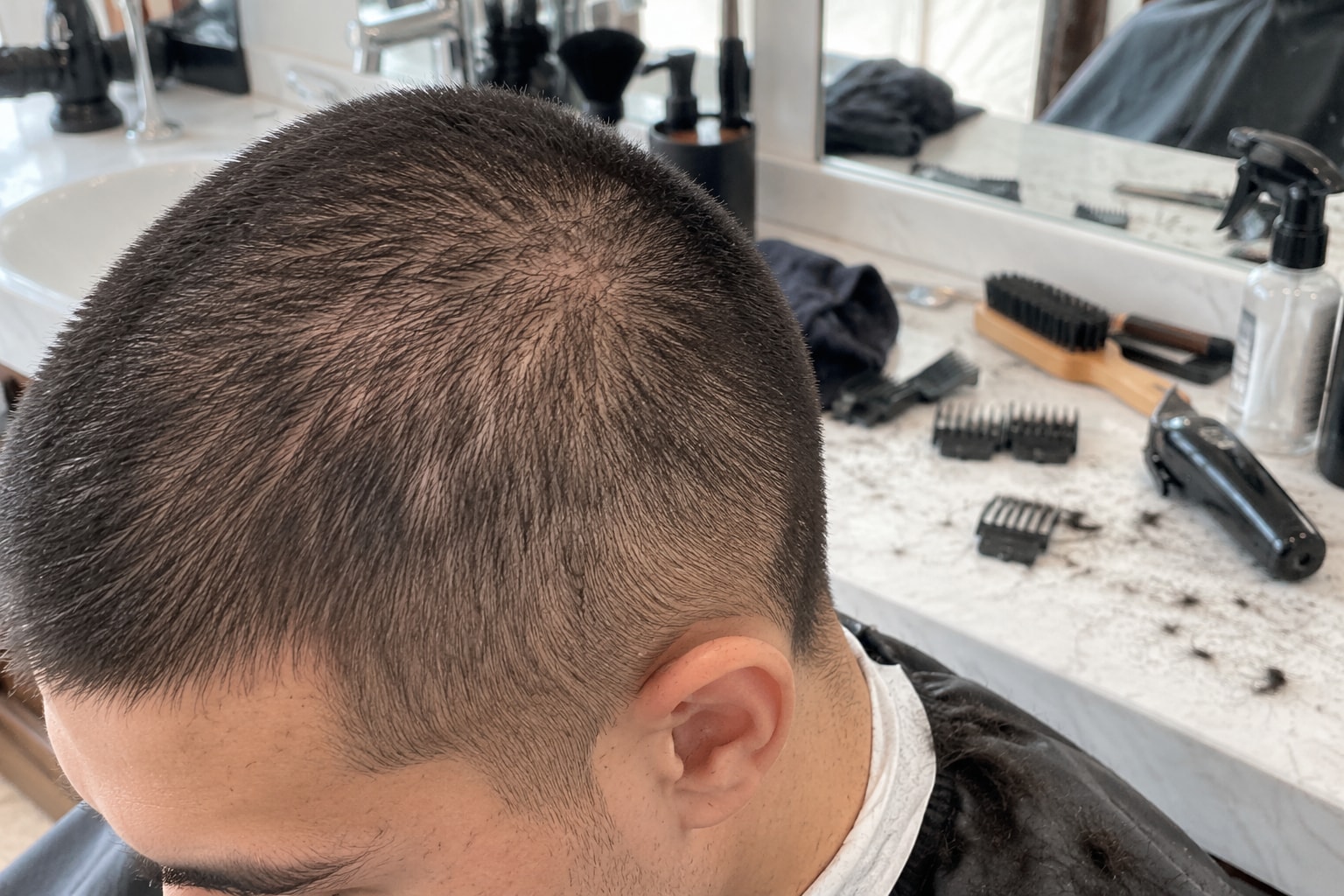
This stage matters because early traction alopecia does not yet involve scarring, while prolonged pulling can destroy follicles and make hair loss permanent. Removing the force gives your edges the best chance to stay intact.
Check which pattern fits
A mirror or selfie cannot diagnose a scalp condition, but the timing, location, and feel can tell you what to do next.
Tension bumps
Tension is the leading suspect when bumps sit exactly where braids pull hardest. You may also notice soreness, stinging, crusts, lifted skin, or broken hairs.
The style does not need to feel unbearable to cause damage; a few sections may carry more force than the rest. Fine hairs around the temples and front edge can also take the load from long or heavy extensions.
Folliculitis
Folliculitis is inflammation or infection of a hair follicle, and it can look like acne. Cleveland Clinic describes red or white pus-filled bumps that may itch or feel uncomfortable.
Do not assume every pustule came from dirty tools or needs an antibiotic. Folliculitis has several causes, and a clinician may need to examine persistent or severe cases. Firm, painful, draining, or spreading bumps need medical advice.
Irritation from hair or products
Think about contact irritation when itch dominates and the rash extends beyond the tightest roots. Check the neck, ears, forehead, and any skin touched by synthetic hair, gel, fragrance, or edge-control products.
A published case series described 10 women with eczema-prone skin who developed irritant dermatitis from synthetic extensions. Their itchy, thickened patches followed contact with the loose ends on the neck. That small series shows the reaction is possible, but it does not mean synthetic hair explains every bumpy hairline.
What to do today
1. Release the tension
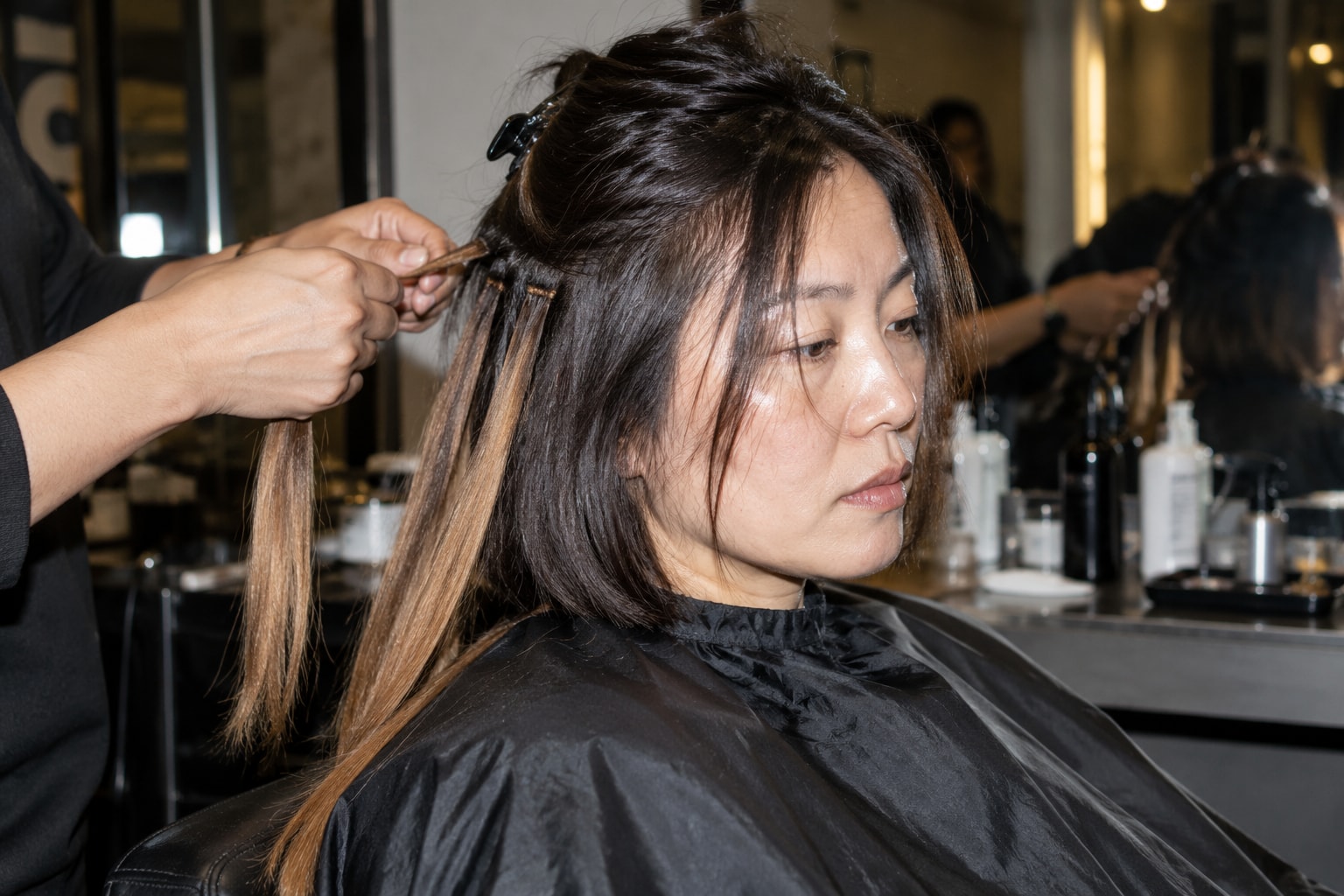
Contact your braider, point out each sore or bumpy section, and ask for those braids to be loosened or removed. If many sections are affected, taking down the style is safer than trying to preserve it.
Money and chair time make that decision frustrating, but they do not change what the bumps signal. Painkillers, mousse, oil, or waiting cannot remove a pulling force.
2. Leave the bumps alone
Do not pop, scratch, pick, or rub an edge brush over them. Skip tight ponytails, buns, scarves, wigs, or helmets that add another pull while the scalp settles.
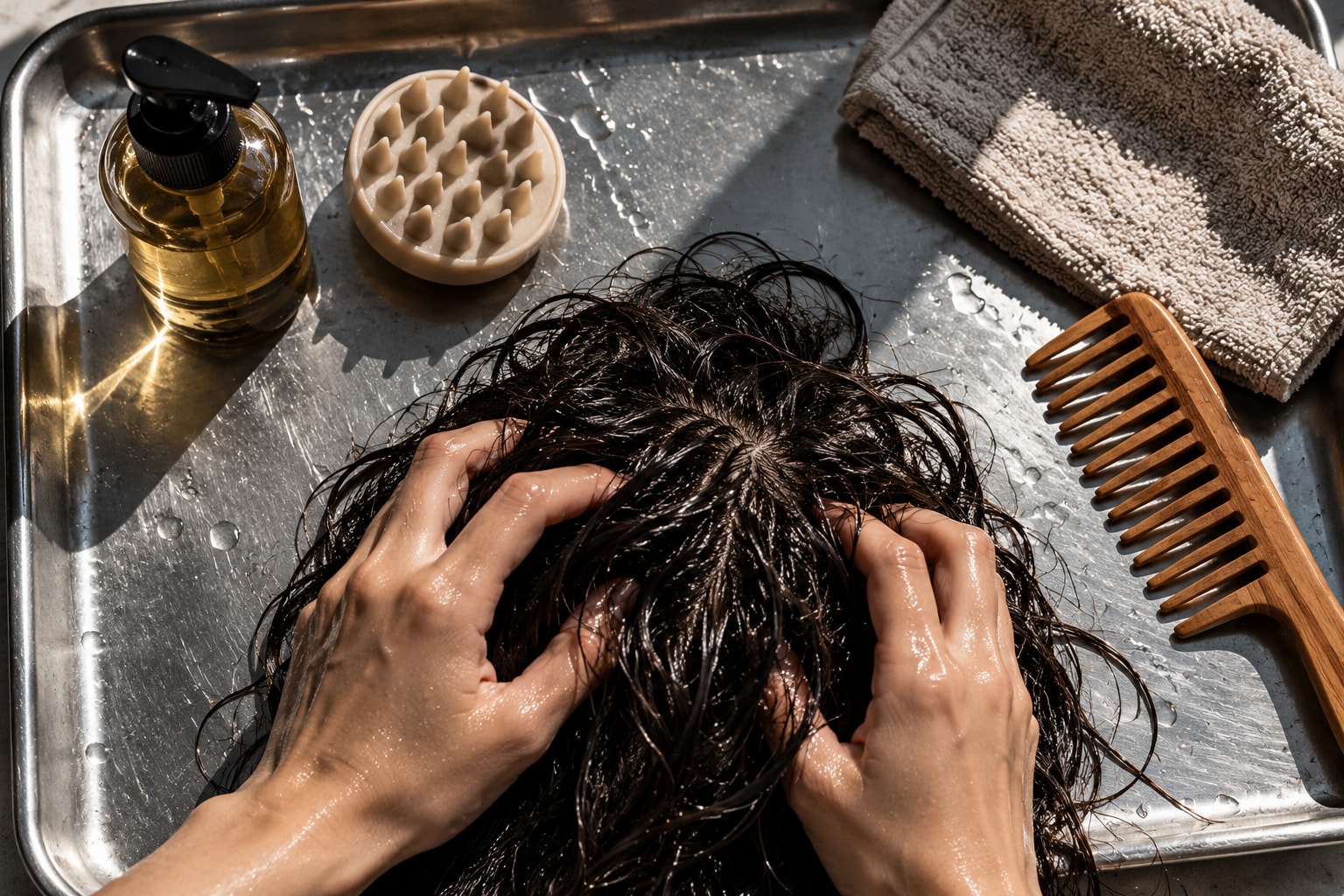
A clean, warm compress may ease mild discomfort, and you can wash the scalp gently according to your usual routine. Rinse products out well. Do not scrub the bumps or pour alcohol, peroxide, or concentrated plant oils onto them.
3. Stop new products for now
Pause any gel, spray, fragrance, or oil introduced with the install. If itching or rash tracks the synthetic hair, remove the contact rather than trying to neutralise it on your scalp.
Apple-cider-vinegar rinses are popular in braid forums, but no good clinical evidence shows that an on-scalp rinse makes a damaging style safe. It cannot loosen tension, and an improvised acidic mix may irritate already inflamed skin.
4. Record the hairline fairly
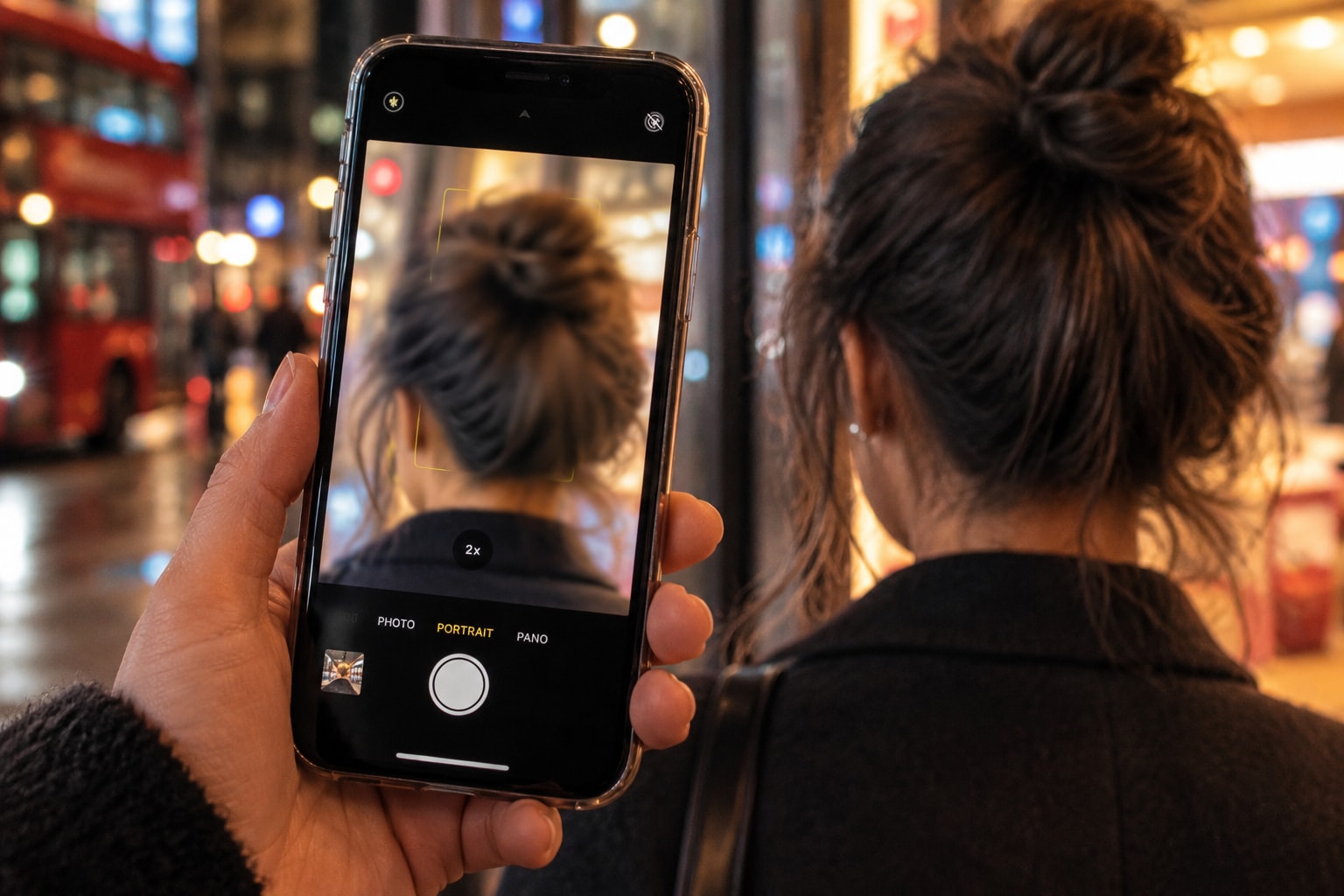
Take one clear photo after the style is loosened, then use the same lighting, part, camera distance, and angle for later checks. Track broken hairs and true gaps rather than general neatness.
Check again after the inflammation has settled and before your next braided style. Look for shorter broken hairs, widening parts, temple thinning, or a hairline that keeps moving back.
When the style comes down
Choose a loose, low-tension style while the area recovers, and avoid another tight install over sore skin or weakened edges. The AAD advises rotating styles and giving hair time away from repeated pulling.
For your next appointment, agree on comfort before the stylist starts and speak up as soon as one section hurts. Braids should not hurt, and you should not have to wait days for basic comfort.
Ask for looser braids around the hairline; thicker, shorter braids usually create less pull than tiny, long, heavy ones. The AAD also advises limiting a braided style to six to eight weeks, then changing the tension pattern.
Afro-textured hair can be more prone to dryness and breakage, but traction alopecia can affect any hair type. The issue is mechanical force, not a failure to care for your hair.
When to get medical help
Book a GP or dermatologist if the bumps spread, drain fluid, become firm or painful, or come with fever. Repeated crusting or pustules also deserve an exam.
Get help early if you see broken edge hairs, widening gaps, smooth shiny skin, or a receding hairline. Early traction hair loss can recover after the pulling stops, while longstanding scarring loss may not grow back.
A dermatologist can separate traction alopecia from folliculitis, dermatitis, and other forms of hair loss. Do not start leftover antibiotics, steroid creams, or minoxidil on an inflamed hairline without a qualified clinician's advice.
Mistakes that put the hairline at risk
- Keeping painful braids because they cost a lot.
- Treating bumps with more gel, oil, or strong DIY mixtures.
- Pulling fresh braids into a high ponytail.
- Installing another tight style as soon as this one comes down.
- Judging regrowth from daily selfies taken in different light.
FAQ
Are bumps after braids normal?
They are common, but bumps along high-tension sections mean the scalp is reacting to pulling or inflammation. Release that tension rather than waiting for pain or visible thinning.
Do I need to take all my braids out?
Not always; a stylist may be able to loosen or remove a few affected braids. Take down the full style when bumps, pain, or lifted skin are widespread, or when partial changes do not remove the pull.
Can braid bumps cause permanent hair loss?
The bumps themselves do not measure permanent loss, but they warn that the follicles are under stress. Repeated tension can turn reversible traction alopecia into scarring hair loss, so early action matters.
How long should braid bumps take to go away?
There is no reliable deadline because the cause and severity differ, but they should start settling after the trigger is removed. Seek care if they worsen, spread, drain, become painful, or keep returning.