
Published
6
Editorial pieces currently live in the archive.
An editorial archive about looksmaxxing culture, visible skin signals, and responsible AI analysis. Each story is designed to lead into practical next steps instead of empty spectacle.
Editorial pieces currently live in the archive.
Why Does My Nose Look Wider When I Smile? What Helps
Looksmaxxing trends, visible skin concerns, and explainers on what AI can and cannot measure.
Searches every published guide, not just the ones on this page.
Filter the archive by article type or topic so you can move from broad culture pieces to specific signal-by-signal explainers fast.
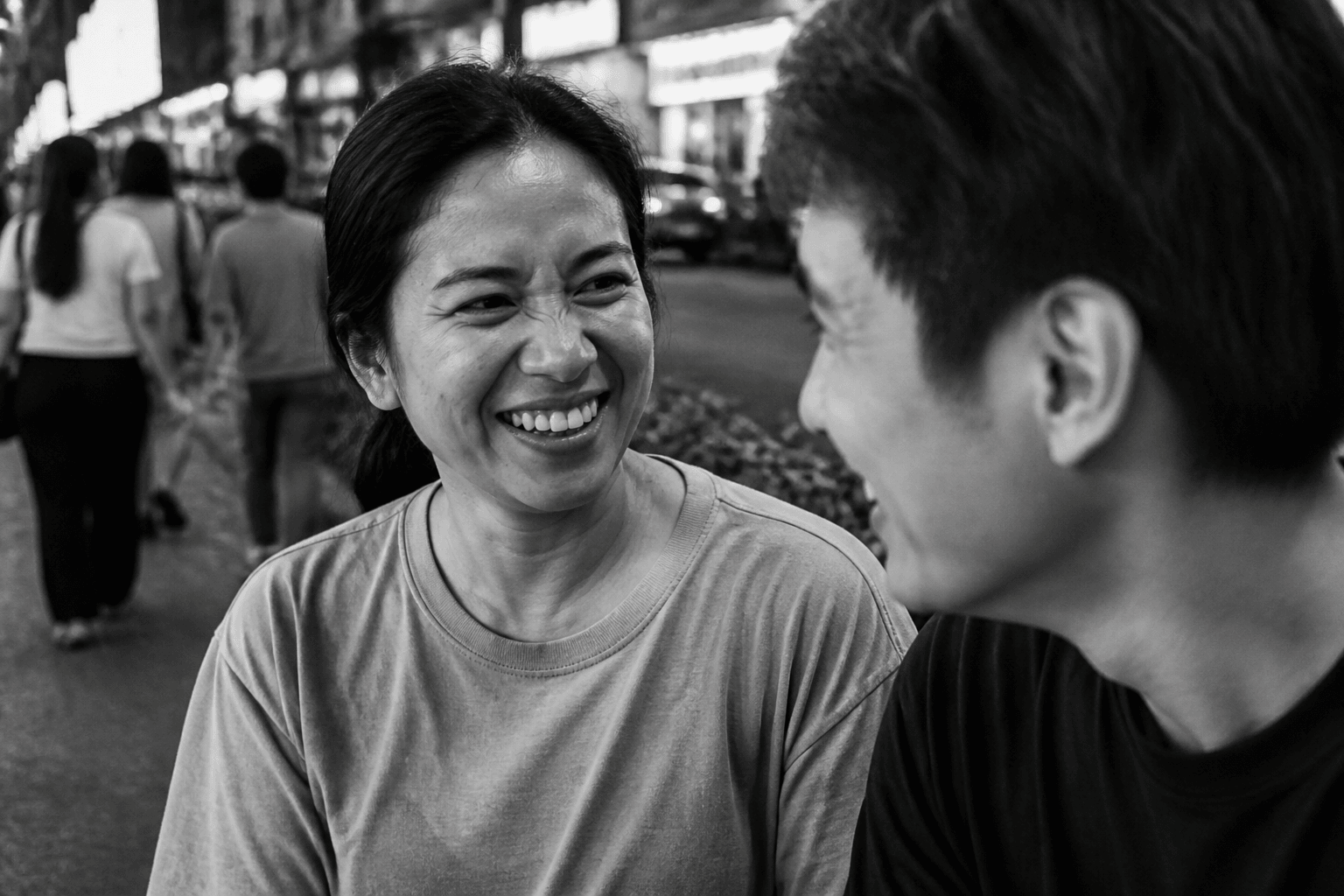
Why does my nose look wider when I smile? Learn how facial muscles move the nostrils, why close photos exaggerate the change, and what can help safely.
Why do I look wider in group photos? See how wide-angle edge distortion and camera distance change proportions, then use a simple two-photo test.
One eye looks smaller when smiling because eyelid and cheek muscles can move unevenly. Learn what is normal, how photos mislead, and when to get checked.
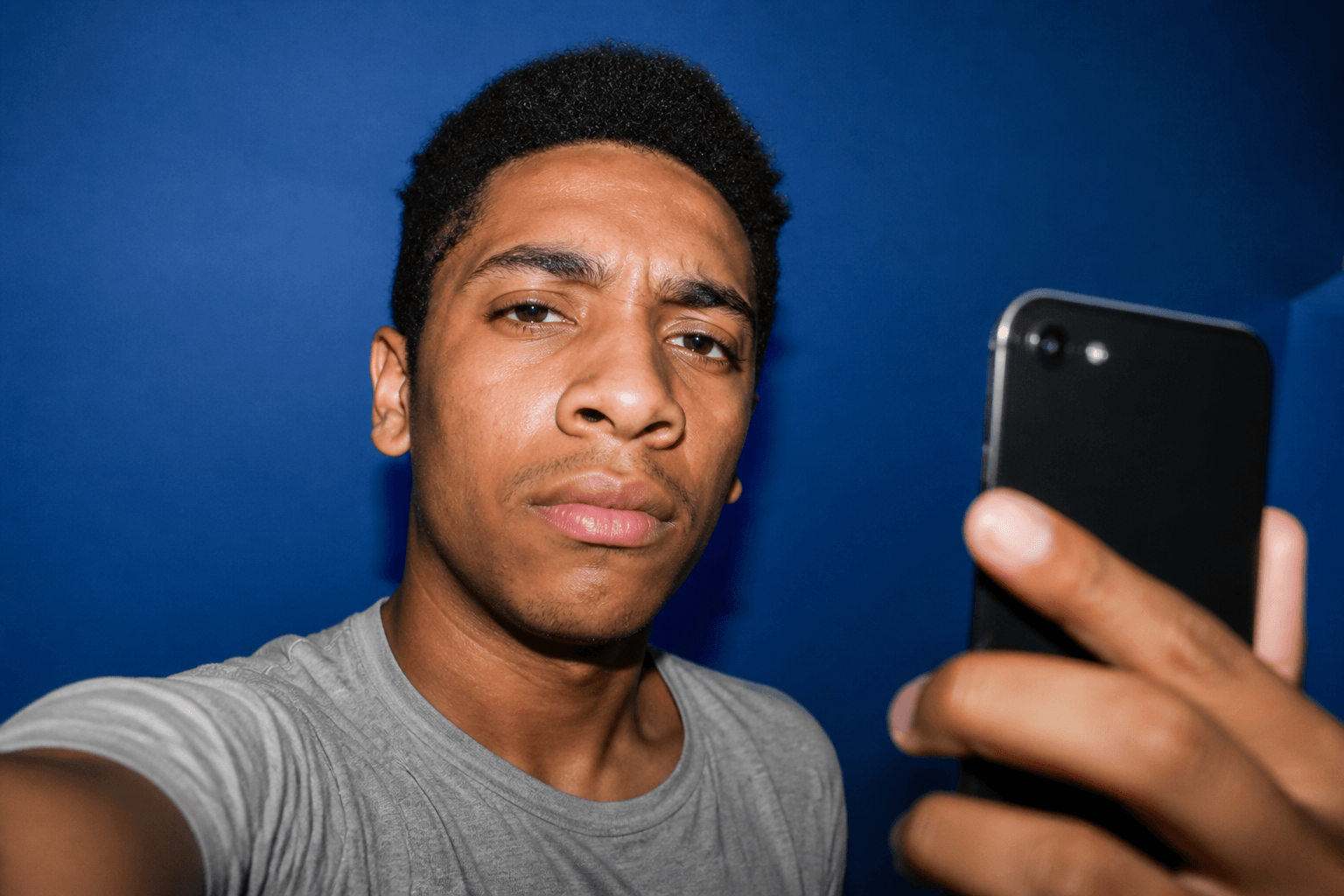
Why does my nose look bigger in selfies? See how close camera distance changes facial proportions and how to take a fairer, more consistent photo.
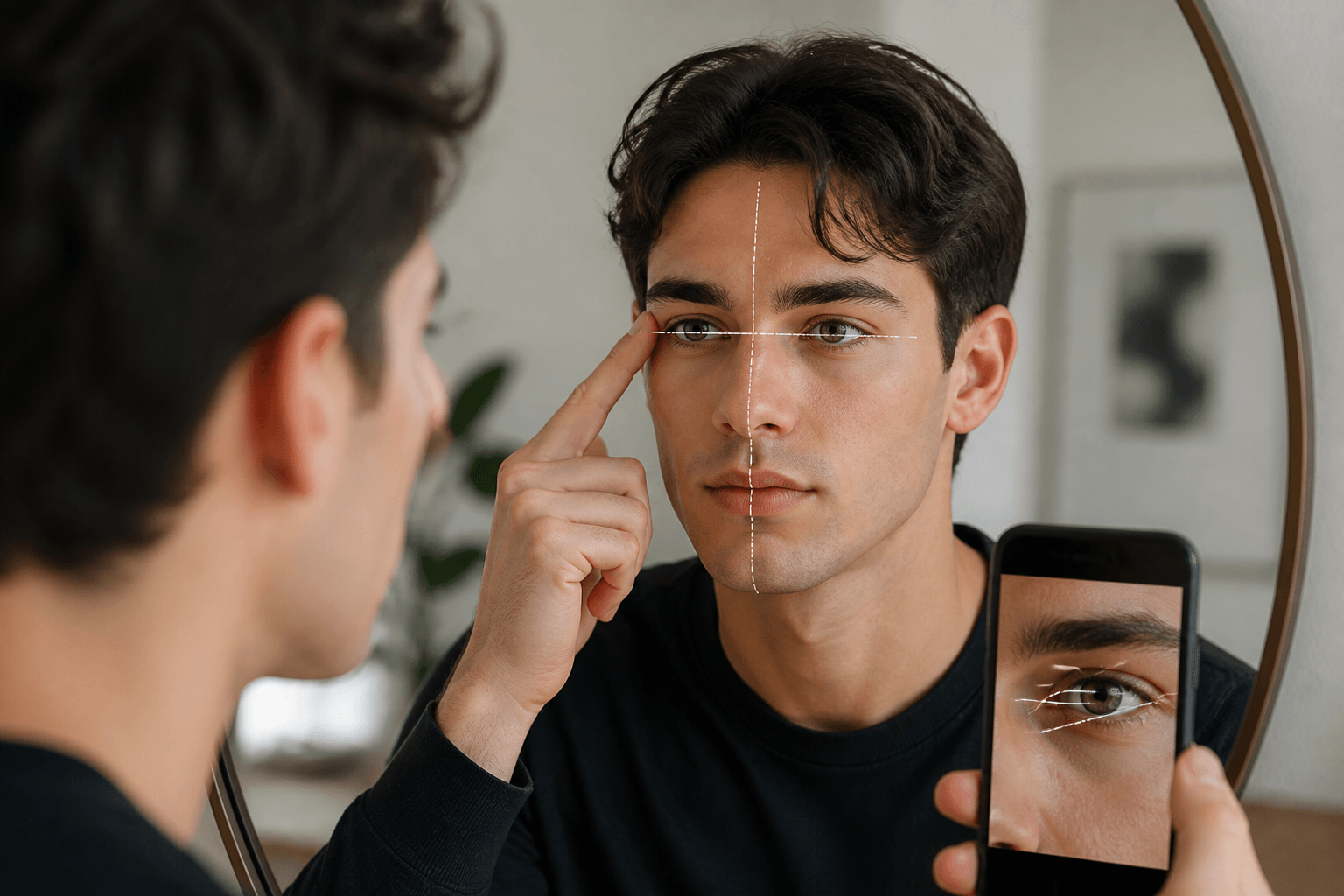
Canthal tilt explained: learn what shapes so-called hunter eyes, why exercises fall short, how photos mislead, and which safe changes are realistic.
Facial harmony is more useful than a one-number face rating. Learn how skin quality, proportions, symmetry, grooming, expression, and lighting work together.
Open a private AI scan for acne, pores, redness, oiliness, and dark circles without any face-rating mechanic.