Quick answer
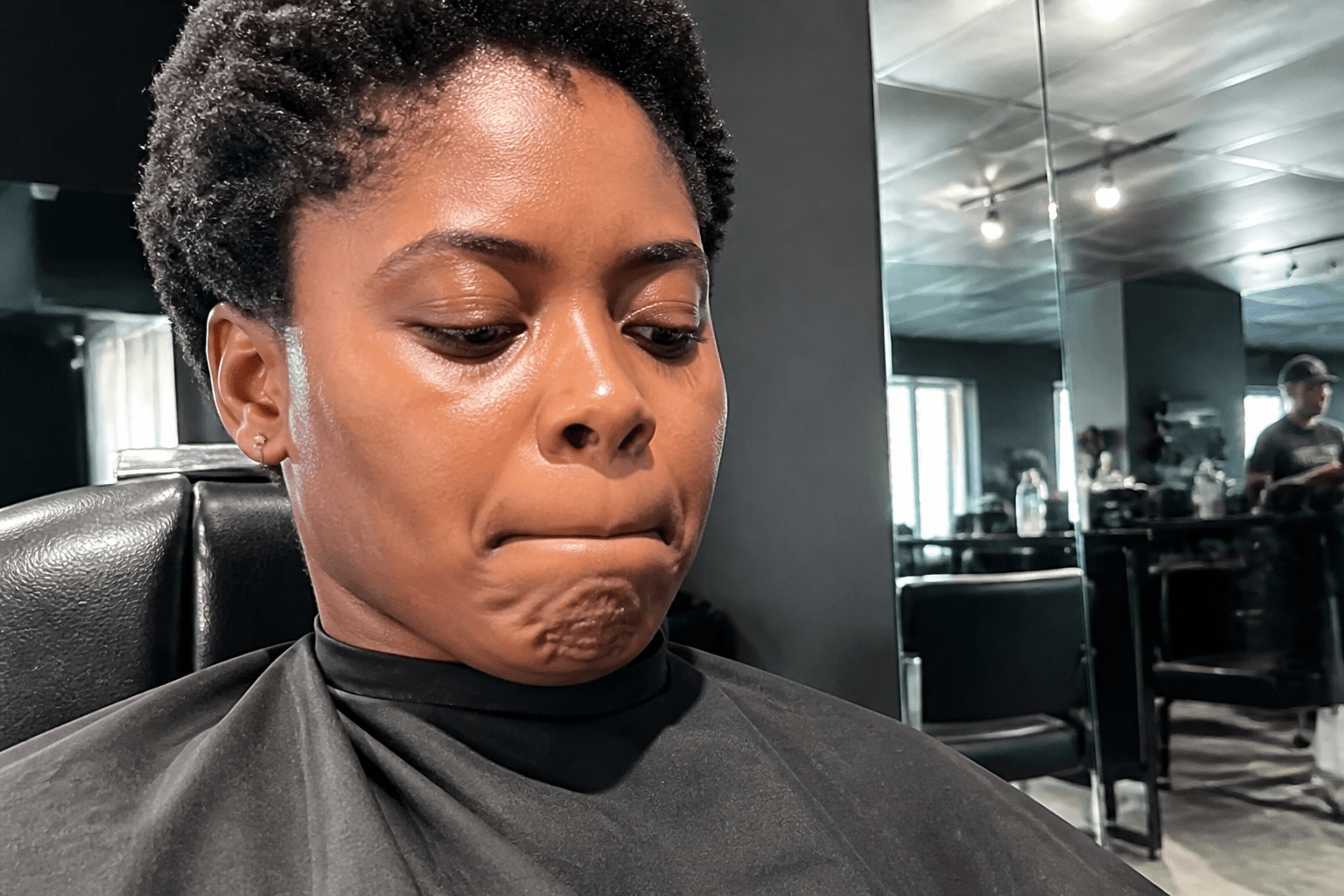
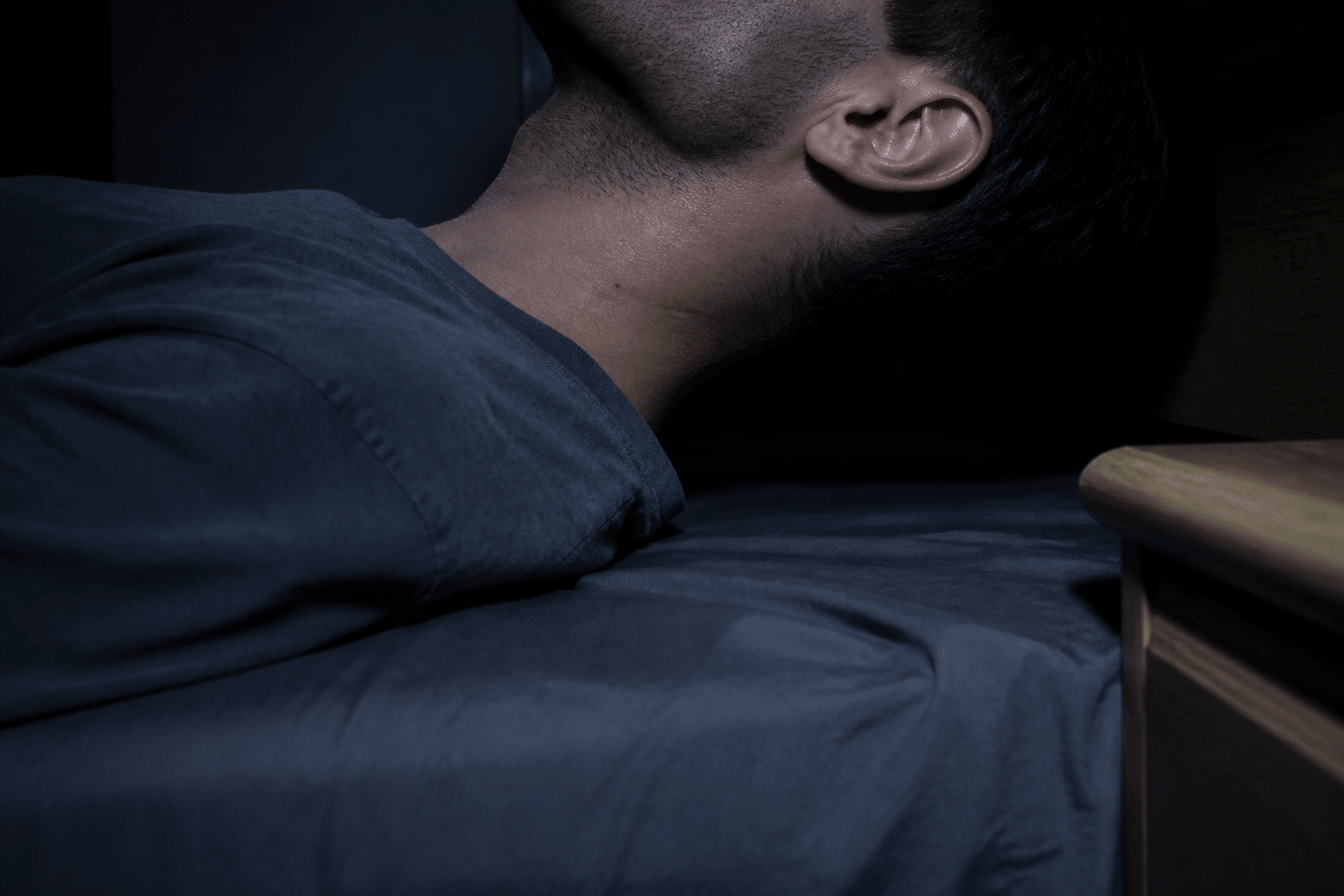
Does sleeping without a pillow improve your jawline? No clinical study shows that going pillowless sharpens, widens, or remodels an adult jaw. Removing the pillow can change your head and chin angle, so a mirror or photo may look sharper. That isn't structural.
Choose your pillow for neutral neck support and comfortable sleep, not facial sculpting. Most side and back sleepers still need some support.
What pillow research actually measures
Research on pillows focuses on neck pain, waking symptoms, sleep quality, pressure, and spinal alignment, not jaw width, chin projection, facial fat, or skin tightness.
A 2021 systematic review found 35 eligible pillow studies, but only nine were rated high quality, covering 555 people. Spring and rubber pillows reduced neck pain and disability in people with chronic neck pain. Pillow design didn't improve their sleep quality, while height or shape appeared more relevant to alignment.
That evidence may help you choose comfortable support, but it can't support a jawline claim because the studies never tested that outcome.
A smaller 2016 study shows why lying-down comparisons can fool you: ten healthy adults used pillows from 110 to 170 millimeters high. Changing the height altered pressure around the head and neck, while a computer model predicted changes in cervical alignment.
The study tested position and pressure, not facial remodeling, and it involved only ten people. Those short-term neck measurements don't prove that a low pillow changes bone or facial tissue.
Why your jaw may look sharper without a pillow
A low pillow changes the pose before anything else, and Cleveland Clinic says one set too low points the jaw toward the ceiling. One set too high aims it toward the chest.
That angle changes the visible space between your chin and neck. Sit upright, return your head to neutral, and the apparent gain should disappear.
The camera can add another false signal. Researchers compared 12-inch and 18-inch phone selfies from 30 adults with portraits taken from five feet. Close selfies changed measured facial proportions, including the chin, compared with the five-foot portraits.
That study wasn't about pillows, but it shows why a close bedside selfie is a poor test of jawline change. Distance, camera height, head tilt, and expression must stay fixed before two photos mean much.
Going pillowless cannot remodel an adult jaw
Your pillow supports your head; it isn't an orthodontic device, and no trial shows that removing it changes an adult jawbone.
The American Association of Orthodontists makes a similar point about mewing: facial structure reflects genetics, bone growth, and muscle development. The association says tongue placement alone doesn't predictably reshape the jaw or correct tooth alignment.
Pillowless sleep has an even clearer evidence gap. Researchers haven't shown lasting changes to the jaw, chin, or lower-face outline from this habit.
Don't pair it with forceful tongue pressure or DIY jaw manipulation, because these aren't proven shortcuts. Uneven oral pressure may disturb tooth alignment, while jaw concerns need a dentist or orthodontist to identify the cause.
Your sleeping position decides whether a pillow helps
Removing a pillow isn't automatically healthier because the right support depends on your sleeping position, mattress, shoulder width, and comfort.
Side sleepers
Side sleepers usually need enough height to fill the gap between the shoulder and head. Without it, the head can drop toward the mattress and bend the neck sideways. A softer mattress may need less loft because your shoulder sinks farther.
Back sleepers
Back sleepers often need a lower pillow that supports the neck without pushing the chin down. Going fully flat may tip the jaw upward and strain some necks. A small change in loft is more sensible than chasing the lowest possible height.
Stomach sleepers
Some stomach sleepers feel better with a thin pillow or none. Less height can reduce one part of the neck angle. Yet stomach sleeping still requires turning your head, which can cause stiffness.
Sleep Foundation says direct research on sleeping without a pillow remains limited, while side and back sleepers usually need support for alignment. That is a stronger reason to follow comfort than a forum transformation photo.
If you use positioning for reflux, sleep apnea, pain, or another health problem, keep following your clinician's advice. Don't change it for an unproven cosmetic goal.
Test the claim without fooling yourself
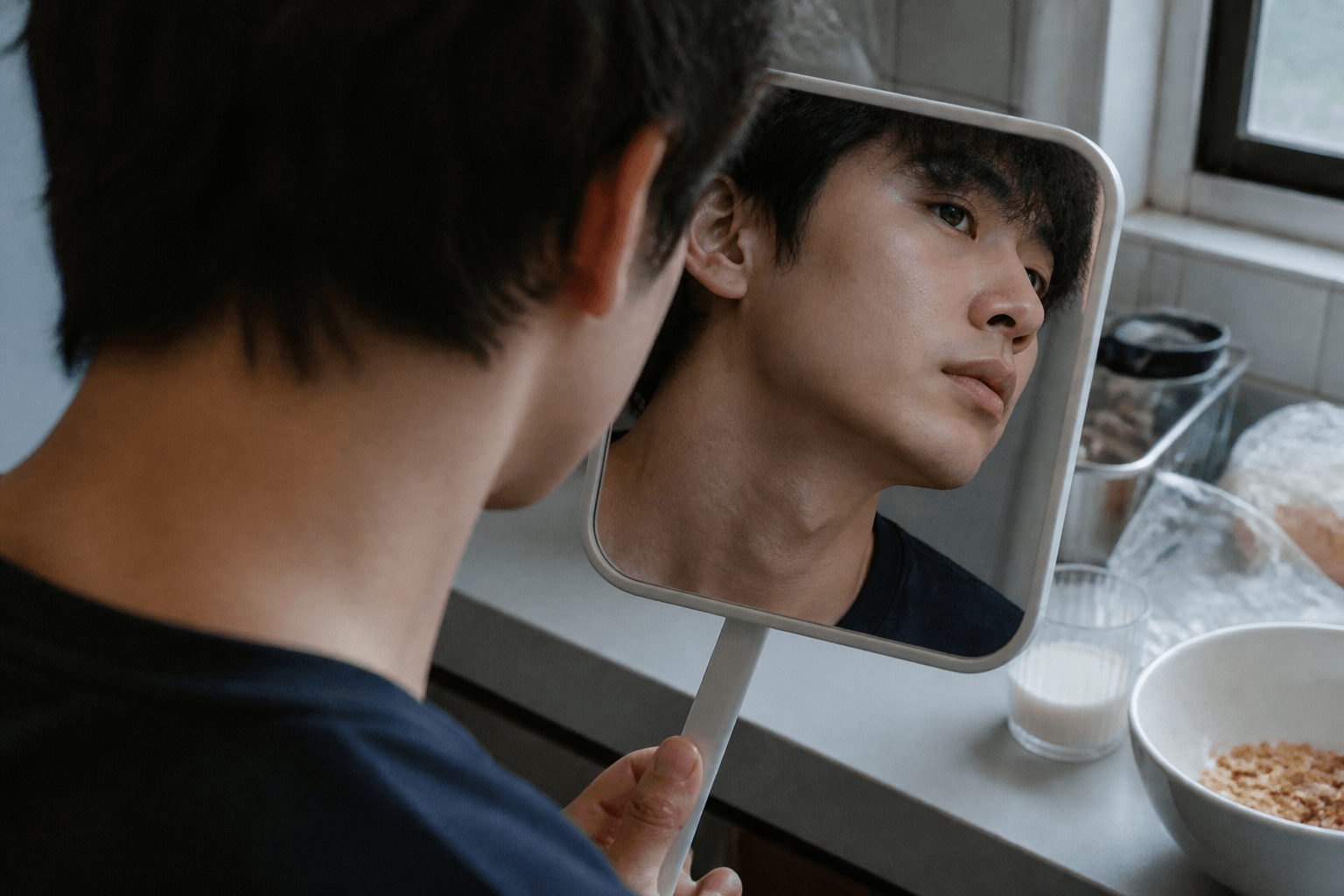
You can test comfort and appearance separately, which won't prove bone change but can expose a pose or camera effect.
- Keep your normal pillow for three nights. Each morning, rate neck comfort and sleep quality from zero to ten.
- Take one upright photo after waking. Use the same room, even front lighting, relaxed mouth, camera height, and five-foot distance.
- Try a slightly lower pillow for several nights. Don't remove all support if your neck no longer rests near neutral.
- Repeat the ratings and photo. Stop the test if you develop pain, stiffness, headaches, or worse sleep.
Judge the pillow by comfort first, and compare only upright photos rather than shots taken with your head on the mattress.
If the jaw looks sharper only while lying flat, you measured pose. If an upright difference appears after one night, suspect distance, light, expression, or head angle first. Bone doesn't remodel overnight.
Avoid checking the mirror from ten angles each morning. One repeatable photo gives better information without feeding a hunt for tiny changes.
When to get a professional check
A pillow change shouldn't become a home treatment for jaw pain or a changed bite. See a dentist or orthodontist if your teeth meet differently or your jaw regularly hurts.
Persistent neck pain or headaches after changing your setup also deserve medical or physiotherapy advice. Return to the last comfortable arrangement while you arrange that check.
FAQ
Can a thick pillow make your jawline weaker?
No evidence shows that a thick pillow weakens or recesses an adult jaw. It can push your chin toward your chest while lying down. That changes the angle you see, and excessive height may leave your neck sore.
Is sleeping without a pillow good for forward head posture?
There isn't good evidence that removing your pillow fixes forward head posture. Pillow height changes your sleeping alignment, but the best height keeps your neck near neutral. Persistent posture problems are better assessed upright by a qualified physiotherapist.
Which sleeping position is best for your jawline?
No sleeping position has been shown to build a sharper jawline. Choose the position that lets you sleep well without neck or jaw pain. Side sleepers usually need more pillow height than back or stomach sleepers.
How long does pillowless sleep take to change your face?
There is no evidence-based timeline because lasting facial change hasn't been shown. An immediate difference is a pose, lighting, or camera effect. A new bite change, pain, or growing asymmetry needs professional assessment rather than more time without a pillow.