Quick answer
Skin purging is a temporary acne flare that can happen after starting an active that speeds up skin-cell turnover, such as a retinoid or exfoliating acid. A breakout is broader: new acne, irritation, clogged pores, or inflammation because the product or routine is not working for your skin.
The practical difference is pattern. Purging usually appears in places where you already clog, starts after a turnover-focused active, and should gradually settle. A breakout often appears in new areas, keeps getting worse, or arrives with burning, rash-like redness, or heavy congestion.
| Signal | More like purging | More like breakout |
|---|---|---|
| Trigger | Retinoid, exfoliating acid, or acne active that affects turnover | Any new product, especially heavy, fragranced, or irritating formulas |
| Location | Usual acne zones | New areas where you rarely break out |
| Texture | Existing clogged pores come to the surface faster | New closed comedones, cysts, rash, or widespread irritation |
| Timeline | Starts early and should trend down over several weeks | Keeps spreading or worsening |
| Skin feel | Mild dryness can happen | Burning, swelling, intense stinging, or painful irritation |
The safest interpretation
If you are unsure, assume your skin is irritated until the pattern proves otherwise. Many people damage their barrier by treating every flare as "purging" and adding more actives. That makes redness, dryness, and breakout load harder to interpret.
A cautious routine beats a dramatic one: keep cleanser gentle, moisturize, use sunscreen, and avoid adding multiple new products while you wait for the trend to become clear.
What to track
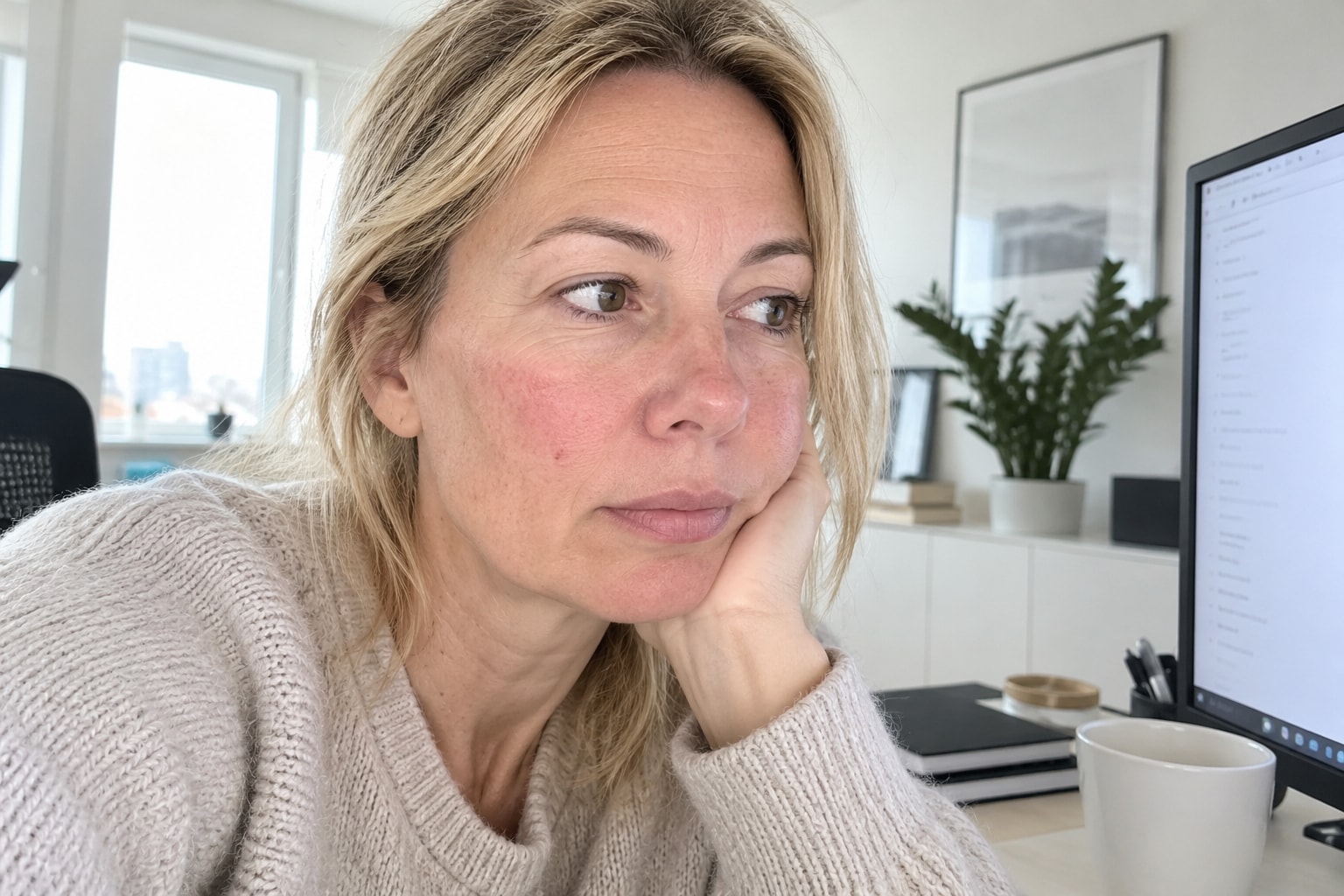
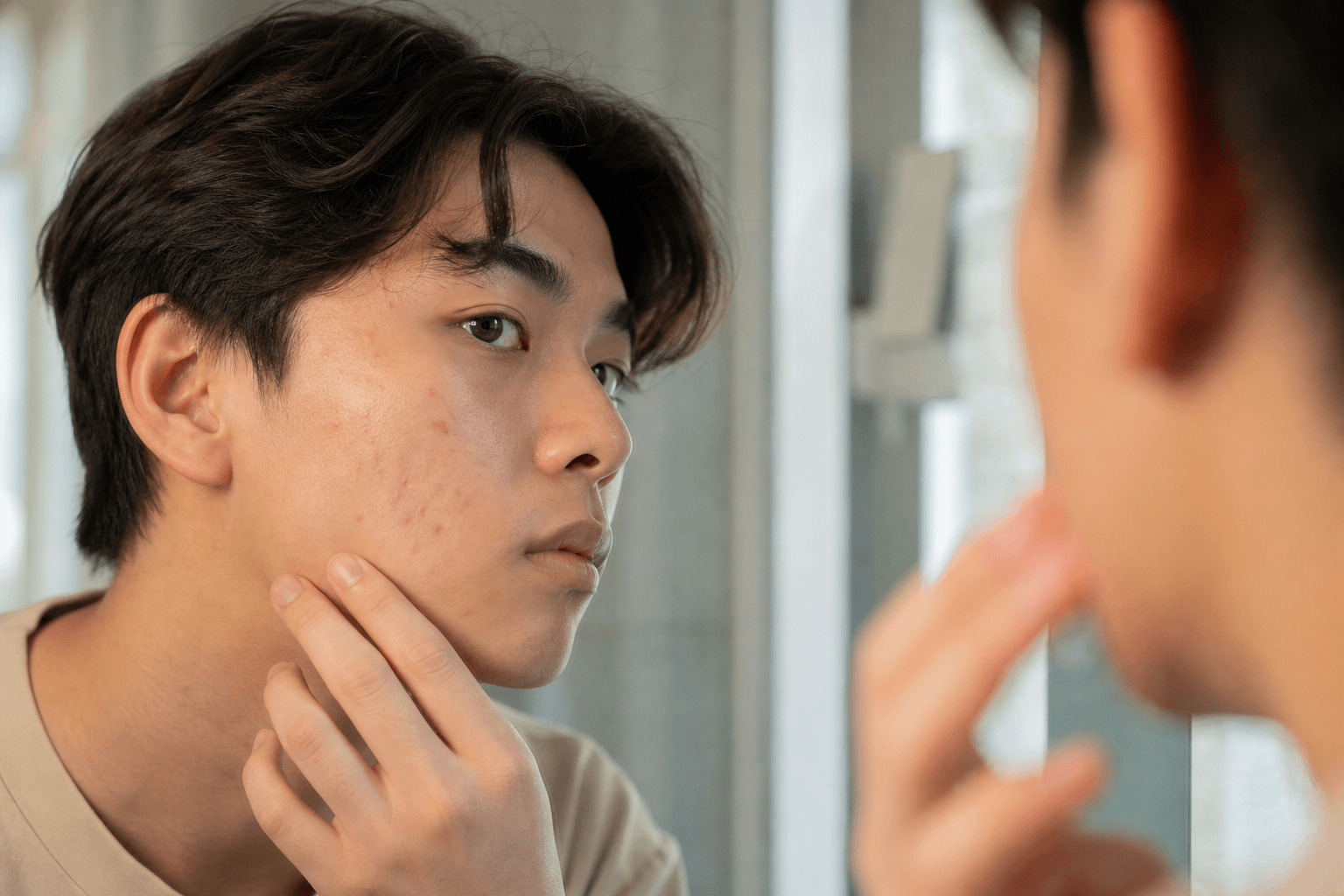
Use the same photo conditions each time: similar lighting, no heavy makeup, front-facing angle, and the same time of day if possible. Then compare:
- Acne count and where lesions appear.
- Redness score, especially if actives are causing irritation.
- Oiliness pattern, because over-drying can make the face feel tight while still looking shiny.
- Whether new spots are appearing in your usual zones or spreading somewhere new.
LooksMax Scan is useful here because it turns a vague mirror check into visible acne, redness, oiliness, and pore maps. It still cannot diagnose acne subtype, infection, allergy, or medication reactions.
When to stop or get help
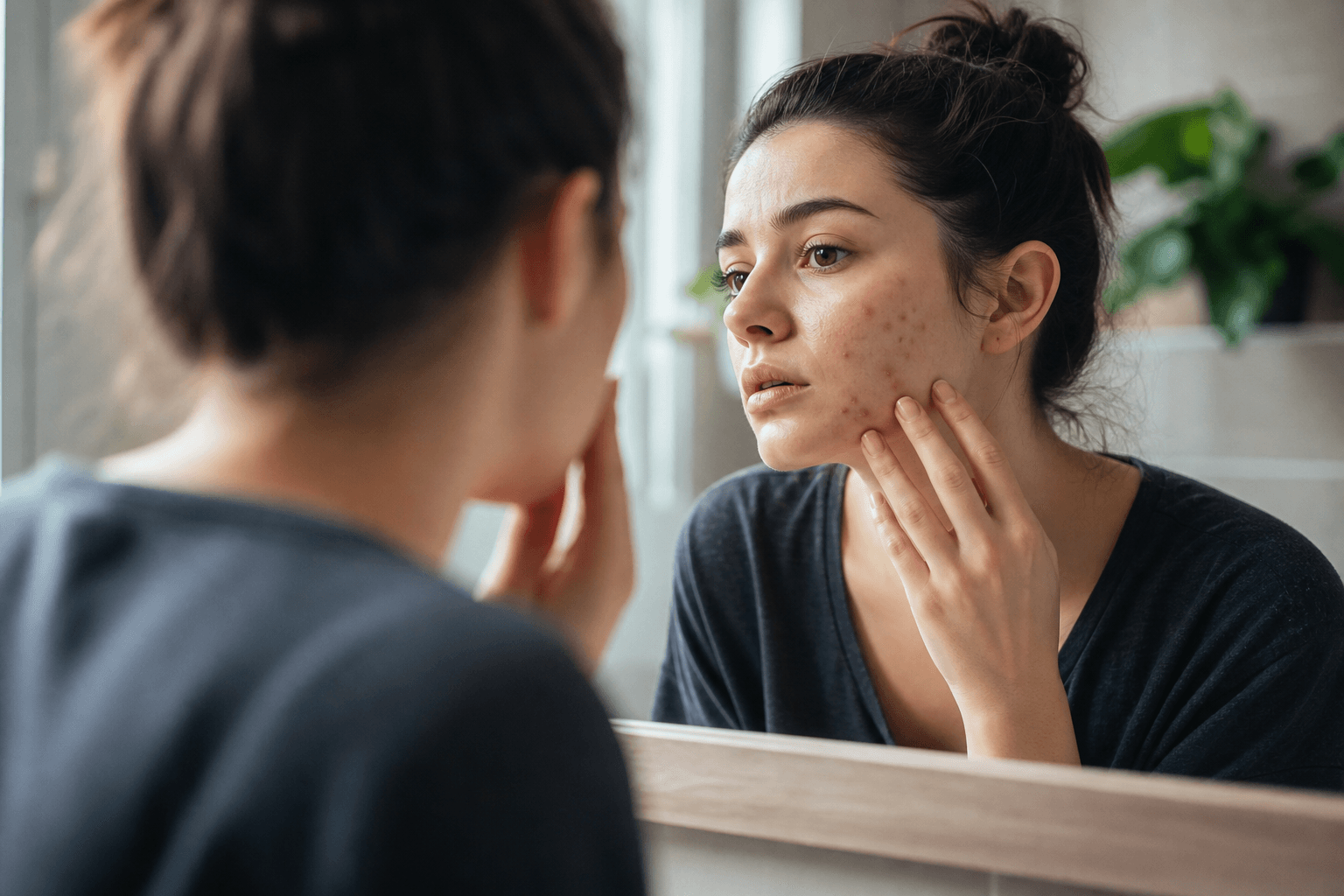
Stop and seek professional guidance if you get severe pain, swelling, hives, crusting, rapid worsening, or acne that feels cystic or scarring. If the flare does not clearly improve after several weeks, it is safer to treat it as a breakout or irritation problem rather than pushing harder.
Bottom line
Purging is a narrow pattern. Breakouts and irritation are more common than people want to admit. Track the visible signals, simplify the routine, and only change one variable at a time.
Run a private AI skin scan on LooksMax Scan: https://looksmaxscan.com/analyze