Quick answer
Why is my face blotchy after showering? The usual cause is a short-lived flush: shower heat raises blood flow near the skin, so patches look redder or darker. Flat warmth that fades is different from burning, lasting redness, or raised itchy welts.
Start by lowering the shower heat and removing friction, then note the patches' shape, feel, location, and duration if they return. Those details help separate a simple flush from contact dermatitis, rosacea, or heat hives.
The pattern tells you more than the colour
“Blotchy” can mean a few things, so check texture and sensation before blaming your water, cleanser, or skin barrier.
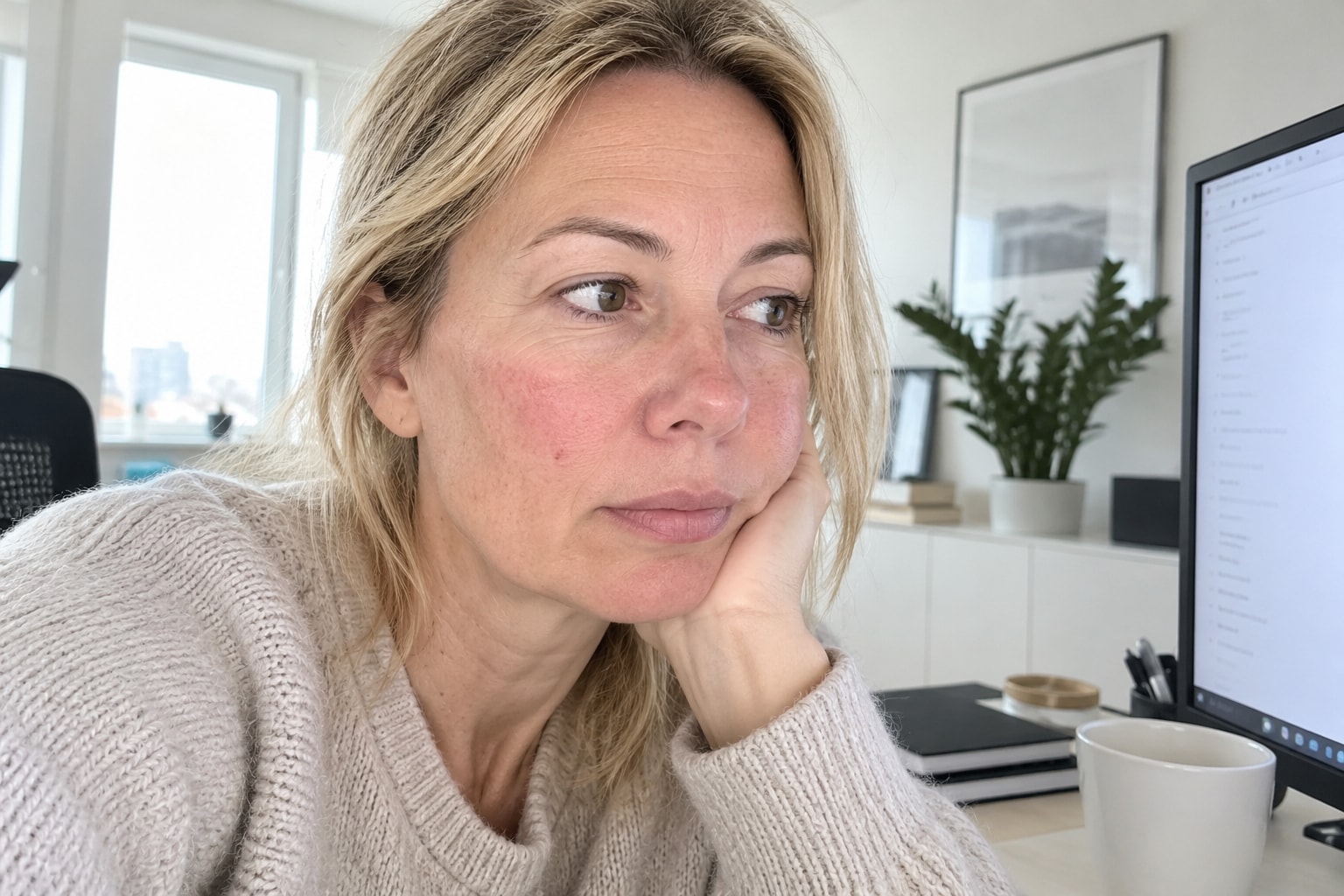
On light skin, flushing often looks pink, red, or purple. On deeper skin tones, you may notice darkening, warmth, or swelling more easily than redness. Compare your skin with its usual colour, not with somebody else's photo.
Flat, warm patches that fade
This is usually a flush, which Cleveland Clinic says happens when blood flow rises for a short time in your cheeks, neck, or chest. A sudden change in heat is a common trigger, and a hot shower can create it fast.
Heat widens blood vessels close to the surface as your body tries to cool itself. The result may look uneven because blood vessels, skin thickness, and usual colour vary across your face.
Simple flushing should settle as you cool down. Cleveland Clinic says this can take minutes or a couple of hours, depending on the cause. A cool, clean compress may feel better while you wait.
Burning, stinging, tightness, or scale
These signs point more toward irritation than plain flushing, since soap, shampoo, fragrance, or a new product may reach your face in the shower. Rubbing with a washcloth or towel adds a second trigger.
The American Academy of Dermatology says contact dermatitis can start when something touching your skin irritates it or causes an allergic reaction. Even a product you've used for years may be the cause, and the reaction may outlast the warm feeling from the shower.
Don't respond by scrubbing harder because that adds friction to skin that already feels sore. Keep the routine plain while you work out what changed.
Raised, itchy dots or welts
Raised bumps aren't a plain flush, since hot showers can trigger heat hives called cholinergic urticaria. Cleveland Clinic describes small pinpoint bumps over a red background, which may merge into larger welts. They often itch, burn, tingle, or feel warm, and exercise, hot rooms, stress, or spicy food can trigger the same hives.
That shared pattern is useful, but a shower alone can't tell you the cause. Show recurring welts to a doctor.
Redness that also appears outside the shower
Rosacea becomes more likely when the centre of your face flushes often, not only after bathing. Other clues include redness that lasts longer, visible vessels, or acne-like bumps around the cheeks and nose.
Heat and shifts from cold to hot can trigger rosacea, but they don't cause it by themselves. One red post-shower photo also can't tell you whether you have it.
Run a controlled shower test
Change one factor at a time across a few showers, so you can spot the same trigger twice instead of judging one good day.
- Use lukewarm water instead of hot water.
- Keep the direct spray and steam away from your face when possible.
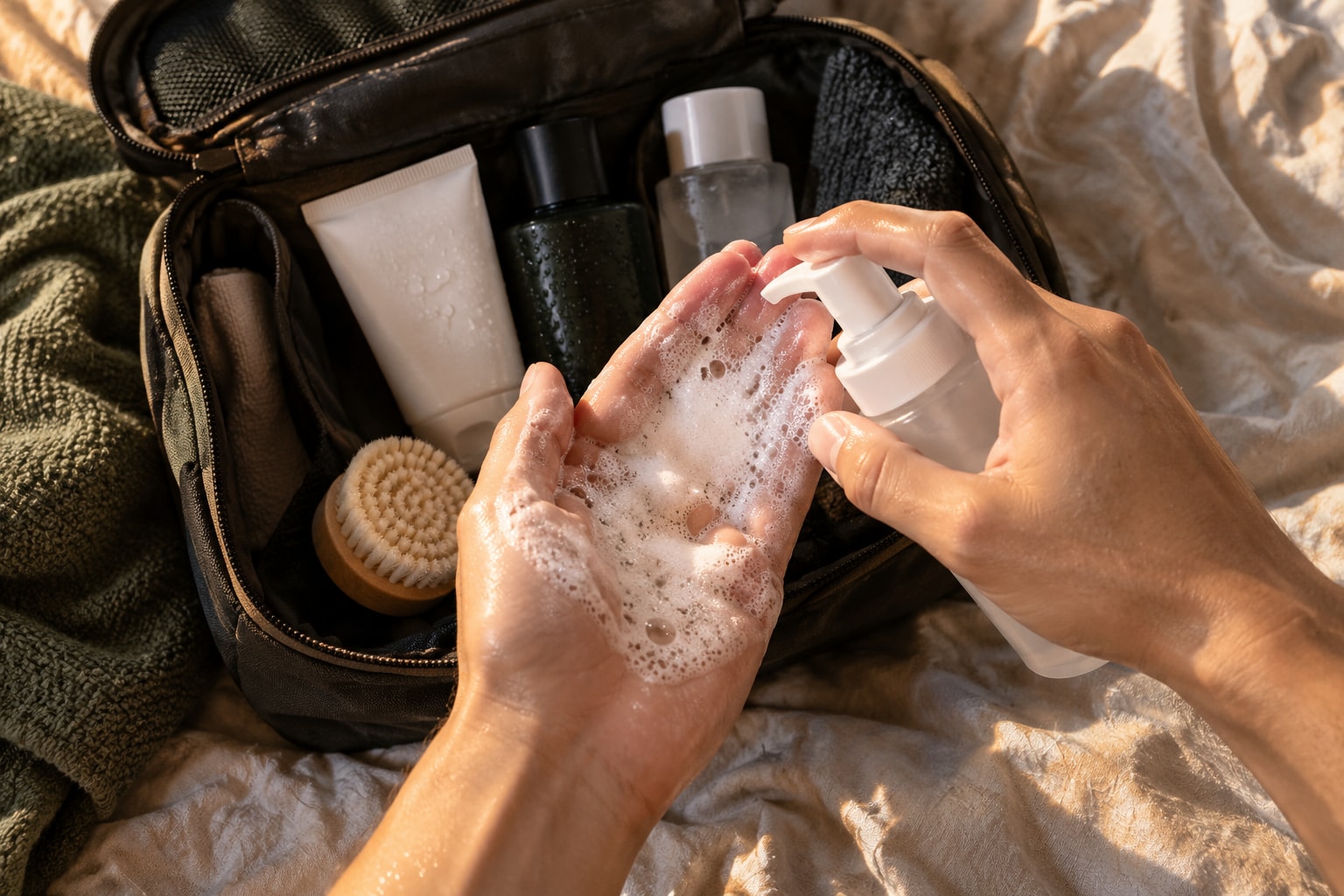
- Wash with your fingertips, not a scrub, brush, or washcloth.
- Use either water alone or one mild, fragrance-free cleanser you already tolerate.
- Rinse fully, pat dry, and apply a plain moisturiser you've used before.
- Do not introduce a new acid, retinoid, mask, or exfoliant during the test.
Take one photo before the shower and another after your skin has cooled. Keep the room, distance, camera, and neutral lighting the same, then record whether the patches felt raised, itchy, hot, tight, or painful.
Bathroom lighting can exaggerate colour, while a phone's angle and distance can change how skin tone appears. A fixed setup helps you track your skin instead of tracking the camera.
If the cooler routine reduces the blotching, heat was probably contributing. If one product brings back burning or itch, stop using it and check the label; a skin doctor can help when the trigger stays unclear.
Match the response to the likely cause
For flat flushing, cool down and leave the skin alone; a cool compress is enough. Trying to “cancel” the colour with ice, hard massage, or too many new products adds risk without solving the trigger.
If irritation seems likely, keep fragrance, scrubs, and strong actives off the sore skin until it feels normal. The AAD advises mild cleansing with warm water for redness-prone skin, followed by patting rather than rubbing.
If the centre of your face often flushes, book a GP or skin doctor visit and bring your photos with trigger notes. The goal is to show the pattern over time, since your skin may look calm during the visit.
For raised itchy welts, ask a pharmacist or doctor whether hives fit the pattern. Don't take an antihistamine solely because your face looks red, since a flat heat flush and hives are different problems.
Know when not to wait
Get medical advice if redness lasts more than two weeks, gets worse, or comes with pain, scale, pus, or frequent flares without a clear trigger. Lasting changes need a clear cause, not a longer product list.
Seek emergency help if you develop sudden swelling of the lips, mouth, tongue, or throat. Trouble breathing, swallowing, fainting, or severe dizziness can signal a serious allergic reaction.
Track the change without overchecking
Check once under fixed conditions, then move on because repeated mirror checks under different bulbs create noise and may make a normal flush feel permanent.
Use a short log with four fields: water setting, products used, symptoms, and time to settle. That can reveal whether heat, friction, a product, or raised hives follows the same pattern more than once.
Photos have limits: they can record colour and texture, but they can't tell whether you have rosacea, dermatitis, or heat hives. Keep them on your device if that is all you need, and use them to show a doctor when needed.
FAQ
How long should a blotchy face last after a shower?
A short-lived flush may fade within minutes or take a couple of hours, based on the cause. Seek advice if the colour stops returning to normal, often appears without heat, or comes with other symptoms.
Does post-shower redness mean I have rosacea?
No; heat can flush anyone's skin. Rosacea is more likely when flushing comes back with other triggers, stays across the cheeks and nose, or leaves lasting redness. A doctor must make the diagnosis.
Why does my face turn red when shower water never touches it?
The hot room and steam can still warm your body. That rise in body heat can widen surface blood vessels and trigger flushing. It can also bring on heat hives in people who are prone to them.
Should I take an antihistamine for redness after showering?
Not for flat redness alone. These drugs may help hives, but they don't treat every flush or skin reaction. Ask a pharmacist or doctor if you have raised, itchy welts or repeated reactions.