Quick answer
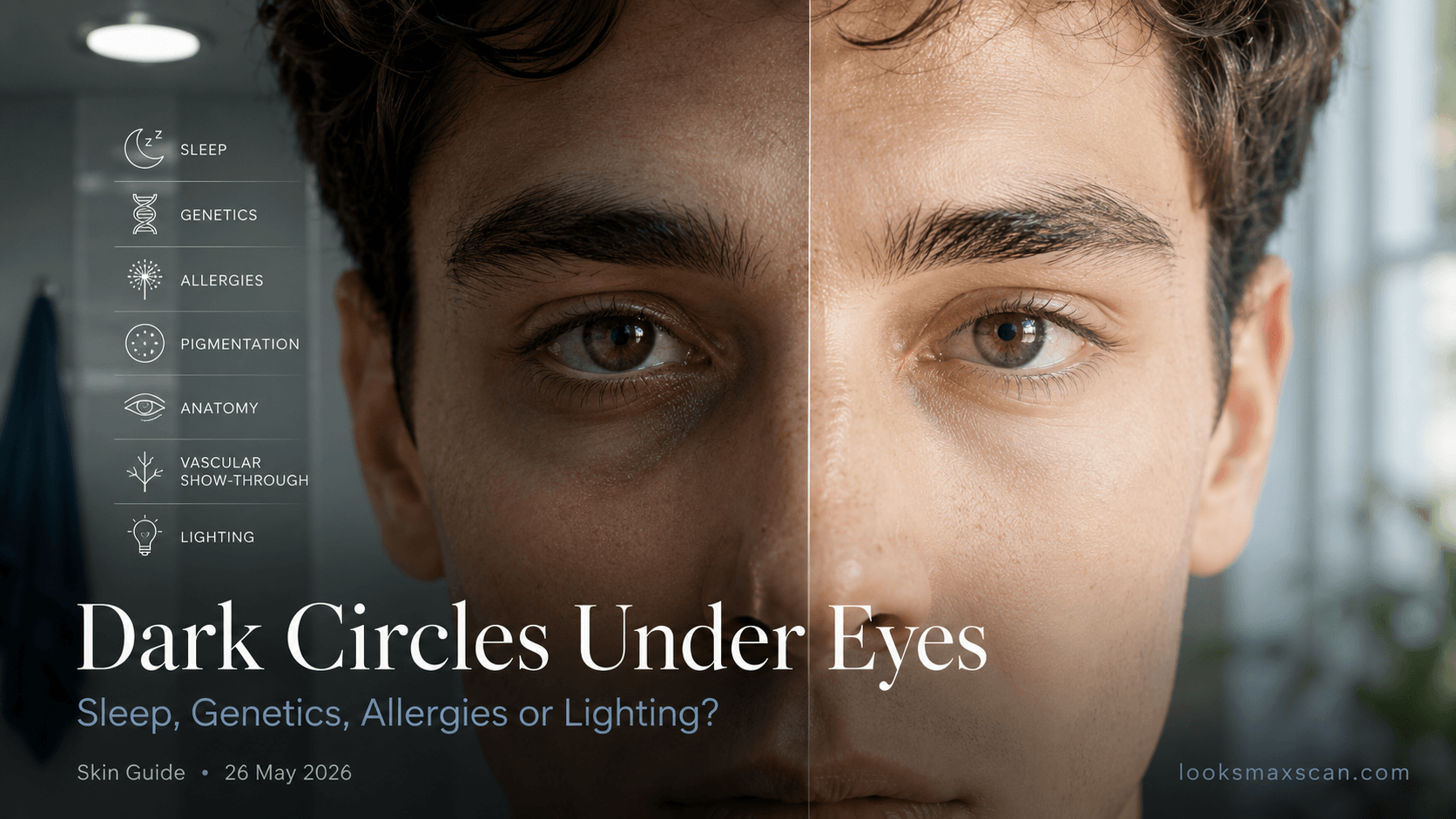
Dark circles under the eyes can come from several different factors: genetics, pigmentation, thin eyelid skin, visible blood vessels, facial anatomy, under-eye hollowing, allergies, rubbing, sleep disruption, dehydration, sun exposure, and lighting. That means there is rarely one universal fix.
A photo-based skin scan can help you notice how strong the under-eye darkness appears and whether it changes under consistent conditions. It cannot diagnose the cause. The practical approach is to separate what is photo-related, what is routine-related, and what may need professional advice.
Why this is trending
Dark circles are one of the most common appearance concerns because they change how rested, healthy, and alert a person looks. They also show up strongly on front-facing cameras. Overhead bathroom lighting can cast shadows under the brow and eye socket. Phone cameras can exaggerate contrast. Filters can make normal under-eye texture look unacceptable by smoothing everything around it.
The trend is also fueled by quick-fix content. Creators promise one concealer trick, one supplement, one ice hack, one massage routine, one eye cream, or one perfect sleep schedule. Some tips may help specific people, but dark circles are too multifactorial for a single universal answer.
For looksmaxxing audiences, under-eyes matter because they affect overall face freshness. But the solution should be realistic. Not every shadow is a skincare failure. Sometimes it is anatomy and light.
What the evidence says
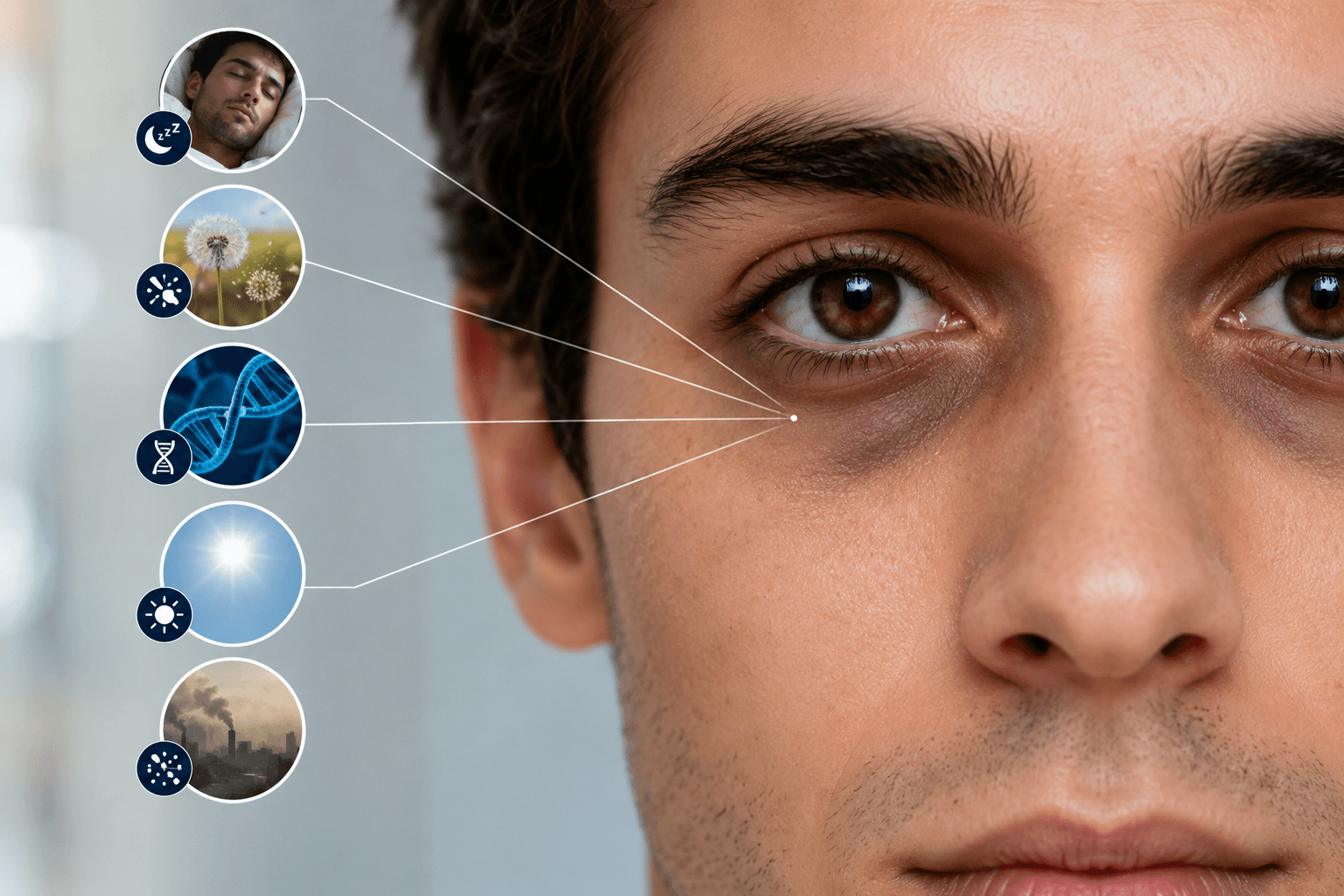
Reviews of infraorbital dark circles describe multiple contributors, including skin, subcutaneous tissue, muscle, blood vessels, pigmentation, and facial structure. Periorbital hyperpigmentation literature often separates pigmentary, vascular, structural, and mixed patterns. In plain language: some circles are brownish pigment, some are bluish or purple vascular show-through, some are shadows from hollowness or anatomy, and many are a mix.
Lifestyle can still matter. Poor sleep can make skin appear duller or paler, increasing contrast. Allergies can cause itching and rubbing, which may worsen irritation and pigmentation. Sun exposure can deepen pigmentation in some people, so sunscreen and sun protection can be part of prevention. But if your under-eye shape is mostly anatomical, a cream may only do so much.
This is why honest content should avoid overpromising. A scan can measure appearance in the image. It cannot see genetics, blood flow, allergy history, iron levels, or sleep quality.
What LooksMax Scan can help you check
LooksMax Scan can help you measure visible under-eye darkness as one of its core skin signals. The best use is comparison under consistent conditions. Take a clear front-facing photo with natural, even light. Avoid overhead shadows, heavy filters, and dramatic side lighting. Repeat under similar conditions when you test a routine or lifestyle change.
The scan can help answer practical questions. Do dark circles look much worse after late nights? Are they mostly a lighting artifact? Do they appear alongside redness or irritation from rubbing? Does sunscreen and reduced irritation help keep the area calmer over several weeks? Are under-eye shadows stable no matter what you do?
Those observations can guide next steps. If the signal changes a lot with sleep and lighting, behavior and photography are major factors. If it is stable and strong, genetics or anatomy may be more relevant.
What it cannot diagnose
LooksMax Scan cannot diagnose anemia, allergies, eczema, thyroid disease, sleep disorders, nutritional deficiencies, vascular conditions, or any medical cause of dark circles. It cannot determine whether pigmentation is epidermal or dermal. It cannot tell whether filler, laser, prescription treatment, or any procedure is appropriate.
It also cannot safely evaluate sudden swelling, pain, bruising, vision symptoms, one-sided changes, or skin lesions around the eye. Those concerns should be discussed with a medical professional.
Be careful with the eye area. The skin is delicate, and aggressive exfoliation, strong actives, essential oils, or rough massage can irritate it. If a product burns near the eyes, stop using it there.
Practical next steps
Start with lighting control. Take two photos: one under harsh overhead light and one facing a window with soft natural light. If your circles change dramatically, shadows are a major part of what you are seeing.
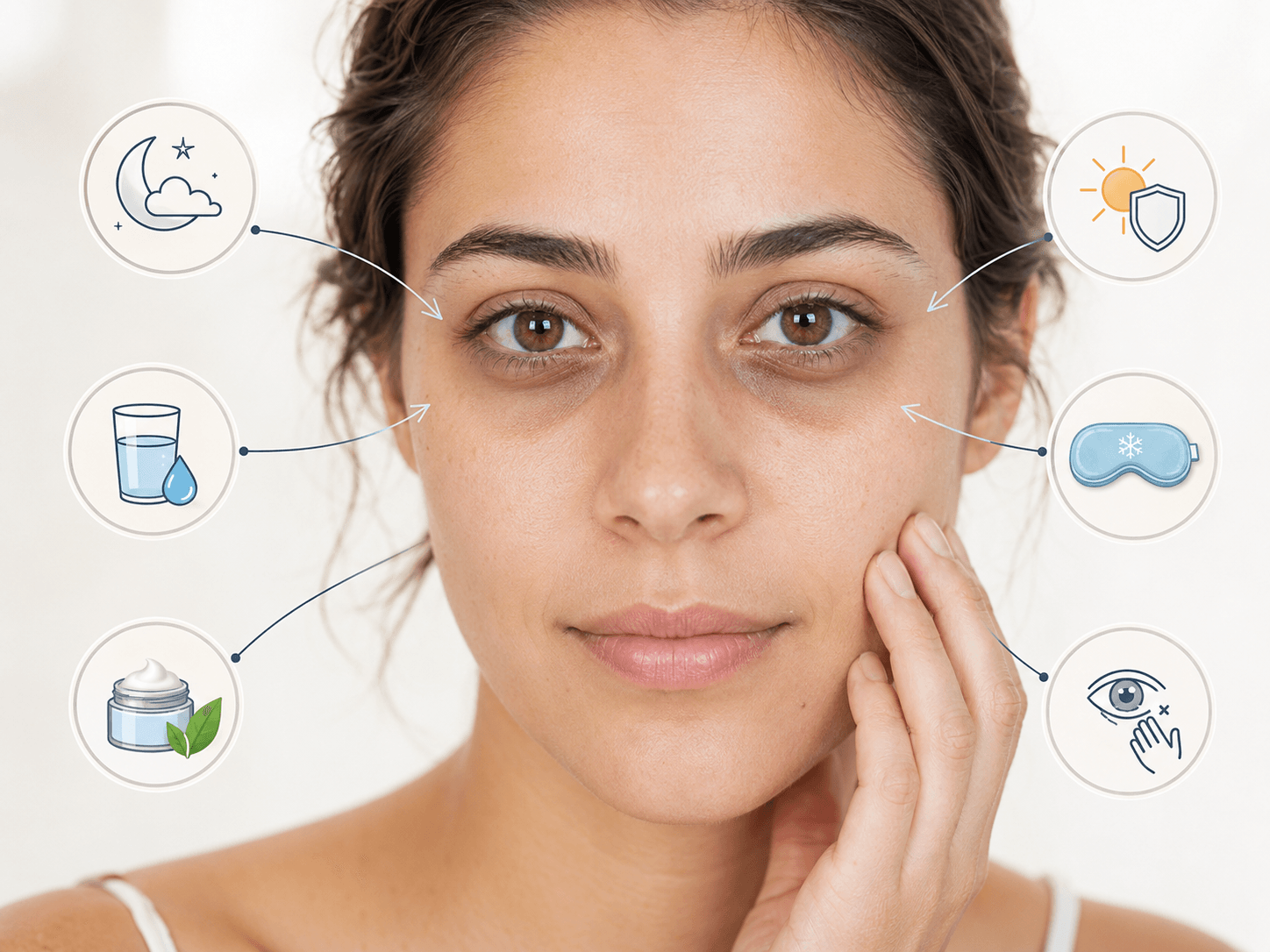
Next, review habits. Sleep consistency, hydration, allergy control, not rubbing the eyes, and sun protection can help some people. Use sunscreen safely around the orbital area according to product directions, and consider sunglasses or shade for extra protection. If pigmentation is a concern, avoid irritating products that trigger rubbing or inflammation.
For skincare, keep it gentle. A bland moisturizer may help if the area is dry. Some people use eye products with ingredients such as caffeine, niacinamide, or retinoids, but tolerance varies and the eye area is easy to irritate. Introduce slowly and avoid getting products into the eyes.
If dark circles are long-standing and mostly structural, improvement may be limited with over-the-counter skincare. That is not failure; it is anatomy. Track what changes, respect what does not, and seek professional advice if symptoms suggest more than a cosmetic concern.
For progress tracking, do not judge dark circles on a single morning. Use a small set of comparable photos and note sleep, allergies, alcohol, salt intake, screen-heavy nights, and sun exposure. The pattern is more useful than one bad image. If the under-eye area looks unchanged across good sleep, good lighting, and gentle care, the realistic goal may be softening the appearance rather than eliminating it.
Run a private AI skin scan on LooksMax Scan.