Quick answer
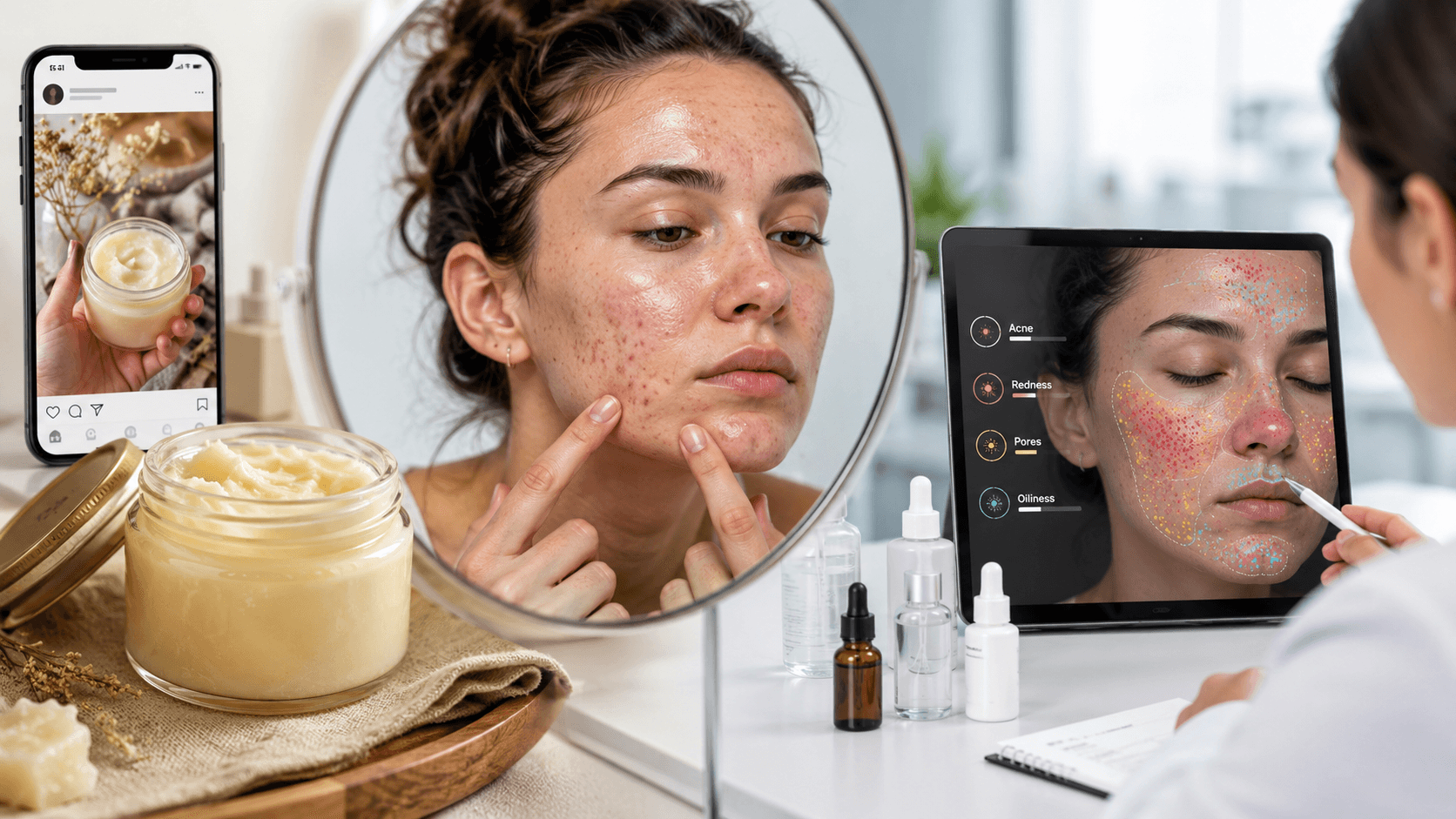
Beef tallow is rendered animal fat used by some creators as a "natural" facial moisturizer. It may feel rich and occlusive, but it is not an acne cure, not a dermatologist-standard acne treatment, and not automatically safer than a formulated moisturizer. For acne-prone or oily skin, it may feel too heavy and could worsen congestion for some users.
That does not mean everyone who uses it will break out. Skin tolerance varies. The honest answer is that beef tallow should be treated like any other heavy topical product: patch test, introduce slowly, avoid using it over active irritation or infected-looking acne, and stop if acne, redness, itching, or clogged pores increase.
Why this is trending
Beef tallow went viral because it fits several internet narratives at once. It sounds ancestral, simple, masculine, anti-corporate, and cheap compared with long skincare routines. It also offers a satisfying contrast to modern beauty marketing: instead of a 10-step routine, one ingredient.
The problem is that "natural" does not mean universally compatible. Poison ivy is natural. Essential oils are natural. Animal fats are natural. Skin still reacts based on chemistry, dose, barrier condition, oiliness, acne tendency, allergies, and contamination risk.
The trend is especially tempting for people with a damaged barrier. When skin feels dry and burning, a heavy occlusive can feel instantly comforting. But the same heavy film may trap sweat, sunscreen, or debris for some users, especially around the nose, chin, and forehead.
What the evidence says
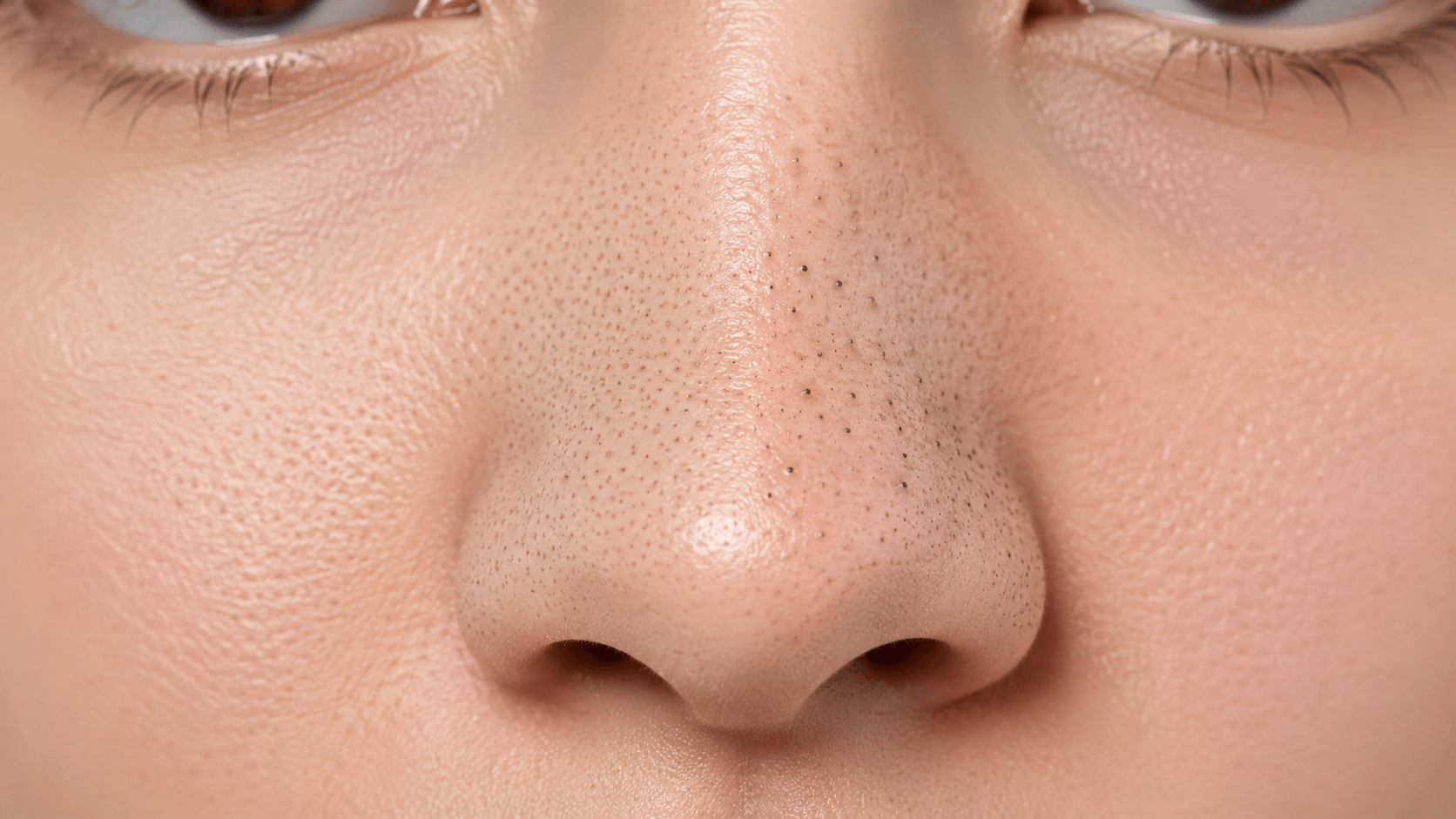
Acne care usually focuses on gentle cleansing, non-comedogenic products, avoiding irritation, sticking with treatments long enough, and seeking professional help when acne is persistent or scarring. Standard acne treatments have evidence, dosing guidelines, and known risks. Beef tallow does not have the same level of acne-specific evidence.
Moisturizer can be helpful even for acne-prone skin, especially when acne treatments cause dryness. But the moisturizer should suit the skin. Heavy, greasy, fragranced, or poorly preserved products may irritate or clog some people. A product can be "clean" and still be a bad fit for your face.
If a person has very dry skin and no acne tendency, a rich product may feel fine. If a person has oily, acne-prone skin with visible pore congestion, a heavy fat-based layer may be a poor first choice. Context matters more than the trend.
What LooksMax Scan can help you check
LooksMax Scan can help you track whether a new product is changing visible skin signals. If you test beef tallow, take a baseline scan first. Then keep the rest of your routine stable. If you add tallow and also change cleanser, diet, sleep, shaving, and sunscreen, you will not know what caused the result.
Watch acne-like spots, pore visibility, oiliness, and redness. A product that reduces dryness but increases clogged-looking texture may not be a good trade. A product that feels soothing but makes the T-zone much shinier may not photograph well. A product that causes redness or itching should be stopped.
The scan cannot tell you whether beef tallow is "good" or "bad" in general. It can help you observe whether your visible skin signals improved or worsened under similar photo conditions.
What it cannot diagnose
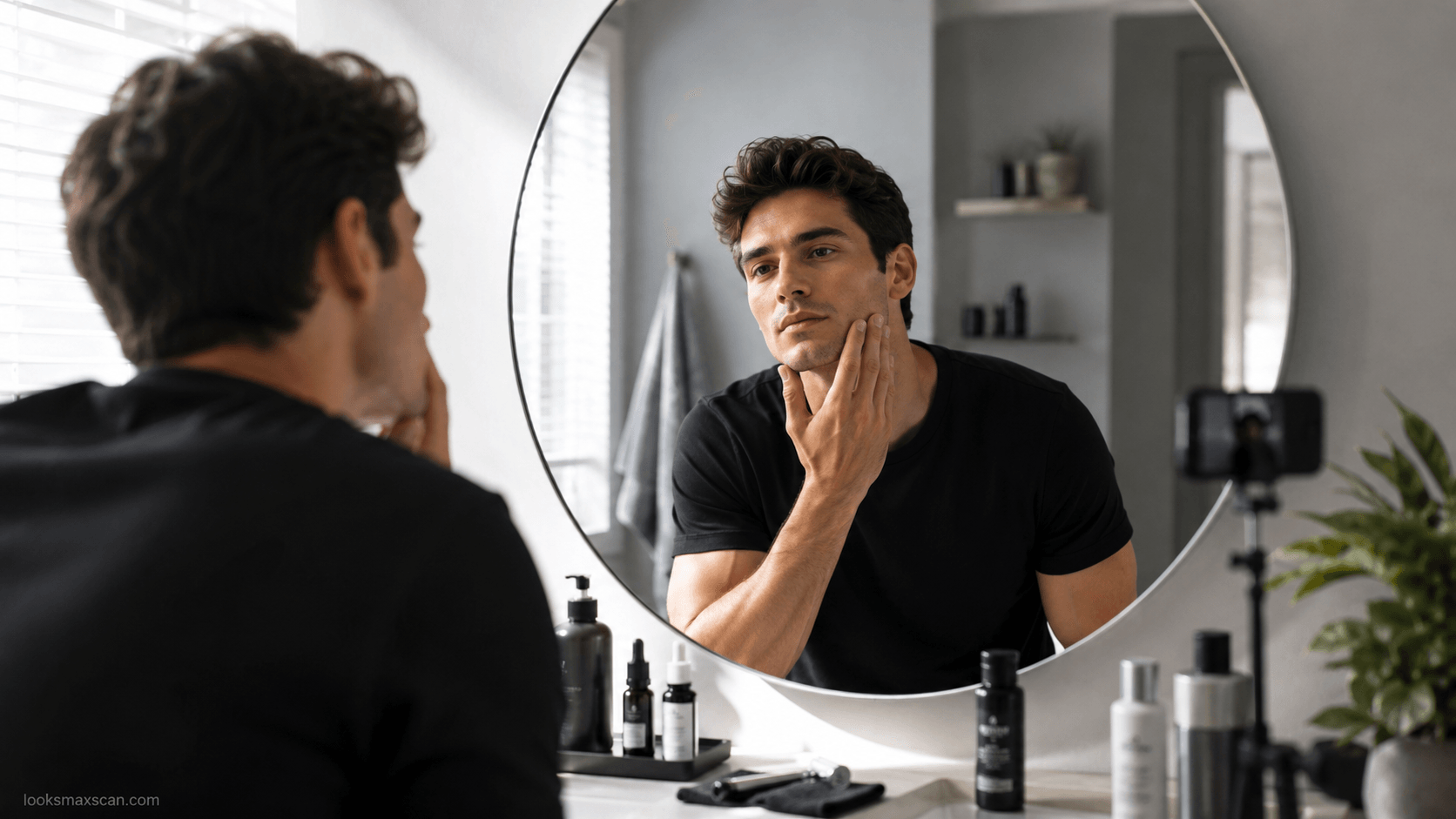
LooksMax Scan cannot diagnose acne type, allergic contact dermatitis, infection, folliculitis, fungal acne, rosacea, eczema, or whether a specific ingredient is causing a reaction. It cannot test product purity or safety. It cannot tell whether a homemade product is contaminated.
If acne is painful, cystic, scarring, sudden, spreading, or emotionally distressing, do not rely on a viral moisturizer experiment. A qualified clinician can recommend evidence-based care.
Practical next steps
If you want to test beef tallow, do it like a controlled experiment. Patch test first. Try it on a small area rather than the whole face. Avoid applying it to open, bleeding, infected-looking, or severely irritated skin. Do not combine it with multiple new actives at the same time.
Use a small amount. Heavy products often fail because people apply too much. If your skin feels greasy for hours, your pillowcase becomes oily, or your pores look more congested, stop and reassess.
Consider simpler alternatives first: a gentle cleanser, a non-comedogenic moisturizer, sunscreen, and targeted acne treatment when appropriate. A boring product that works is better than a viral product that creates new problems.
For SEO and user trust, the best answer is not "never use it" or "it cures acne." The best answer is: acne-prone skin needs evidence, caution, and tracking. Treat every viral ingredient as a test, not a religion.
Run a private AI skin scan on LooksMax Scan.