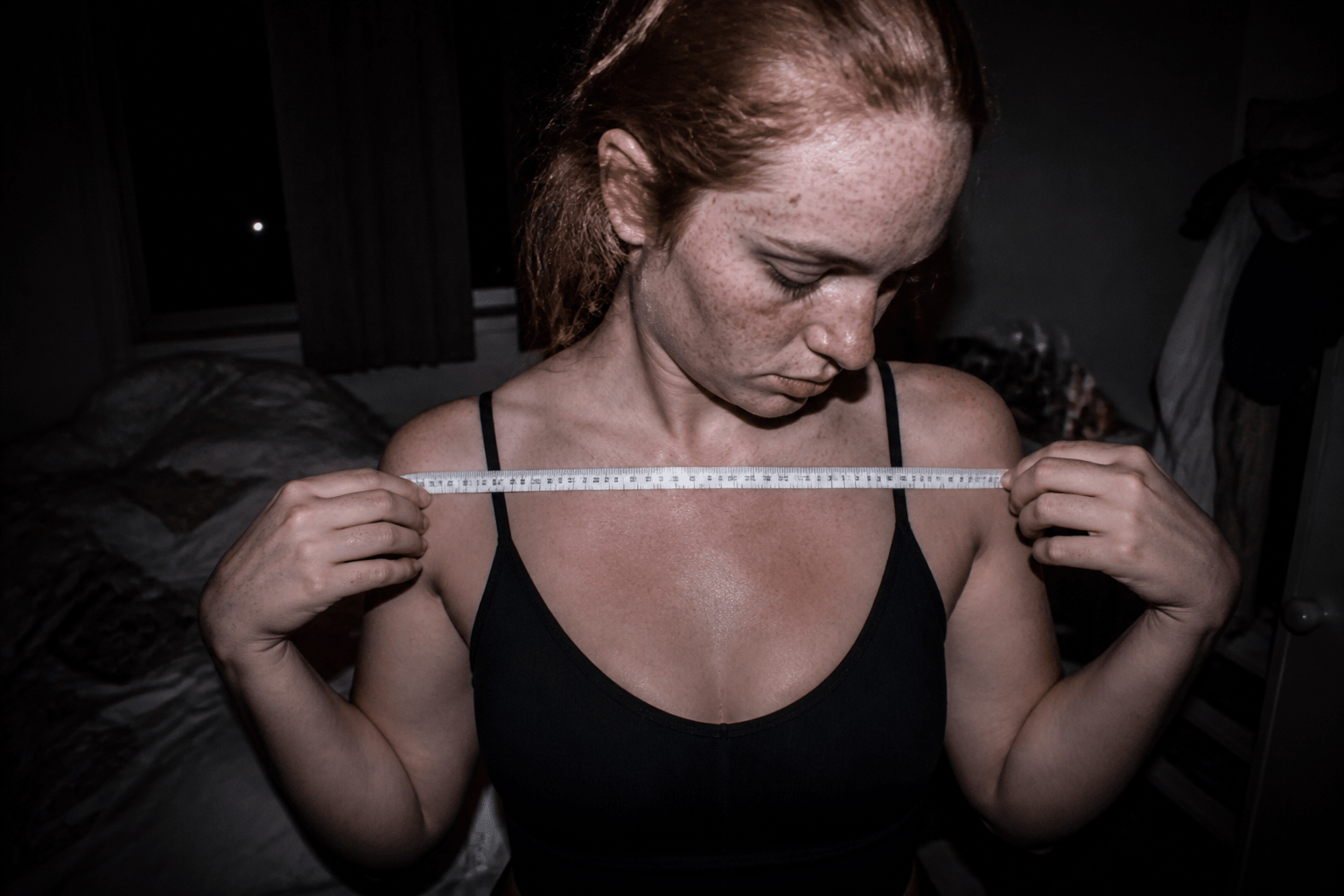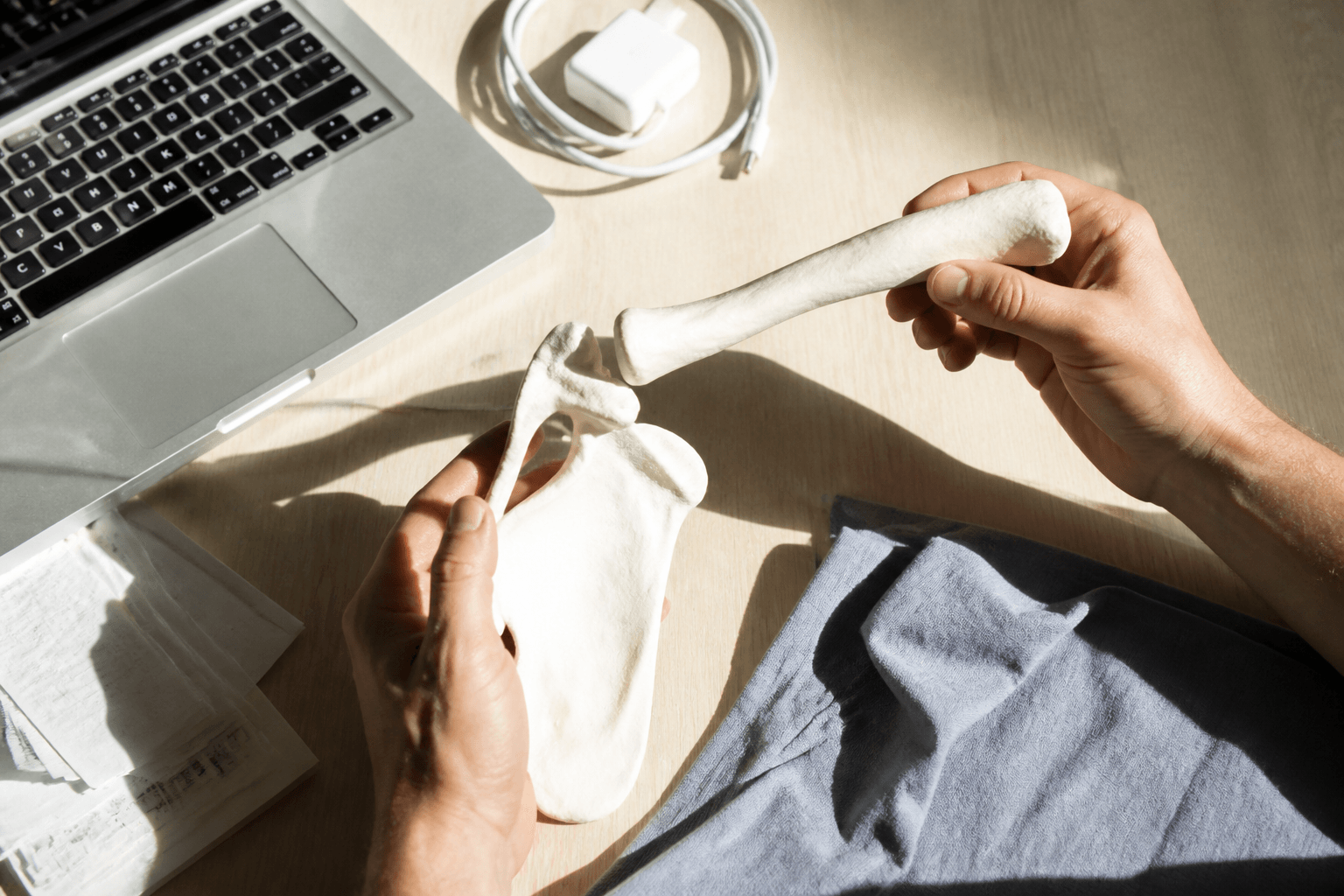
Quick answerCan shoulders get wider after 18? Yes: your shoulders can look wider as the deltoids and upper-back muscles grow. Your collarbones may also lengthen during early adulthood, but you can't target that developmental change with a lift or stretch. Resistance training builds muscle around your frame without lengthening mature bones, and results depend on your starting build, response and time.## What shoulder width actually includesThe width you see comes from your bones and surrounding tissue, and each part changes on its own timeline.The shoulder girdle contains the clavicle and scapula, which help set each shoulder's position and differ between people.The deltoid covers the outside of your shoulder, and its middle section helps move your arm away from your body. More muscle there can build the side profile, even when your bones stay the same length.That difference matters because many adults can build a wider look, but widening your bones is not a sound training goal.## Collarbone growth may continue after 18Age 18 is not a hard stop for collarbone growth. A 2020 longitudinal study followed 57 clinic patients aged 10 to 25, using chest images taken across at least five years.Among males aged 20 to 25, the team measured average clavicle growth of 1.7 millimetres per year. The female average was 0.2 millimetres per year, and many of the oldest patients still showed growth.Those figures have limits because every participant came from one orthopaedic clinic. Each had scoliosis or kyphosis without a neuromuscular disorder. The study measured one bone, not full shoulder span or visible appearance, and it can't predict your remaining growth.The study observed natural development. It did not show that lifting, hanging or supplements can lengthen a clavicle, so its averages are not a personal deadline or promised gain.## Muscle is the part you can trainA small 2025 trial gives a useful answer about the outer shoulder. Twenty-four resistance-trained adults did cable raises with one arm and dumbbell raises with the other, twice weekly for eight weeks.Ultrasound showed a 3.3% to 4.6% rise in lateral deltoid thickness, and neither tool clearly won. The result backs a simple point: deltoid growth adds tissue where shoulder width is easy to see.It does not promise an exact width gain. The eight-week trial included only 24 participants and measured muscle at two sites, not visible width in everyday clothes.Training your shoulders within a balanced program still makes sense. For its 2026 guidance, the American College of Sports Medicine reviewed 137 systematic reviews and found that regular training matters more than complex programming.## A practical plan for a wider lookGive the process months, then judge the trend with a setup you can track without turning every workout into a test.- Train all major muscle groups at least twice each week, and spread shoulder work across sessions instead of cramming it into one day.- Use cable or dumbbell lateral raises for direct deltoid work, choosing the version that feels stable and allows controlled reps.- Include pressing and pulling, so your shoulders develop within a balanced upper-body program.- Add reps, load or work sets over time, changing one variable at a time to learn what your joints and muscles tolerate.- Don't force every set to complete failure because the ACSM review did not link failure with consistently better results for healthy adults.Start lighter than your ego wants, and keep each repetition controlled from the first inch to the last. Sharp pain is not a useful sign of effort.If you already have shoulder pain, don't invent a heavy rehabilitation plan. The NHS advises avoiding movements that worsen pain and seeking care if it doesn't improve after two weeks. Sudden severe pain, major swelling or an arm you cannot move needs urgent assessment.## Skip bone-widening hacks and hormone shortcutsNo credible human evidence shows that hanging, aggressive stretching or posture drills lengthen adult collarbones. Better posture can change how you hold your shoulders, but that is a presentation change rather than new bone.Do not hit, pull or clamp your shoulder girdle. DIY manipulation can injure the joints, nerves and blood vessels nearby. A device that leaves bruises is causing harm, not useful adaptation.Avoid unsupervised hormones, SARMs and products sold as steroid substitutes. The FDA warns that some such products illegally contain steroids or related drugs. Reported harms include liver injury, heart attack and stroke, so a faster visual change isn't worth that risk.## Track width without fooling yourselfTake one front photo every four weeks, keeping the camera, distance, height, lighting, shirt and arm position the same. Shoot before training so every image follows the same conditions.You can add a shoulder-circumference measurement, but tape position, breathing and posture can shift the number. Take three readings under the same conditions, then record the middle one as a trend.Compare at least eight to twelve weeks, not two days. The lateral-raise trial detected muscle change after eight weeks, but your change may not be visible by then. A steady strength and photo trend tells you more than one flattering angle.Natural proportions still set limits. Training can add muscle around your frame, but it does not owe anyone a particular silhouette.## FAQ### Do collarbones keep growing after 18?They can. One longitudinal study found average clavicle growth into the early twenties, with more growth in the male group. The small clinical sample cannot predict your growth or prove that full shoulder span will increase.### Can lateral raises make your shoulders wider?They can add muscle to the outer shoulder. Both cable and dumbbell raises increased lateral deltoid thickness in a 2025 eight-week trial. Neither lift changed bone length or produced a guaranteed visual gain.### Can shoulders get wider without weights?They can if bands or bodyweight exercises provide enough resistance for muscle growth. The ACSM review found that non-gym training can build muscle, so special equipment is optional. These methods still cannot lengthen your collarbones.### How long does it take for shoulders to look wider?Think in months. An eight-week trial found deltoid growth, but visible change still depends on your starting point and training response. Compare standard photos every four weeks and judge several together.