Quick answer
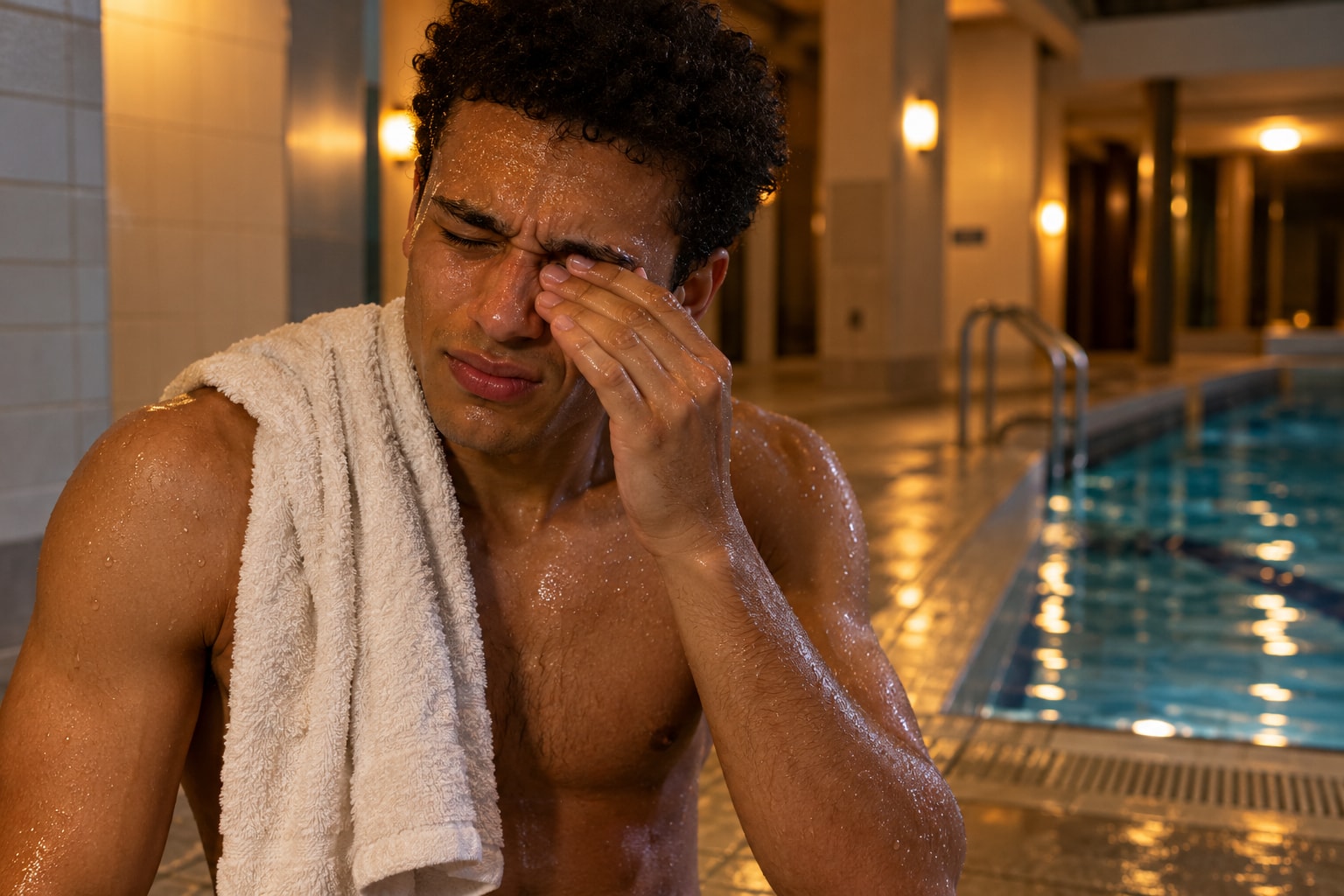
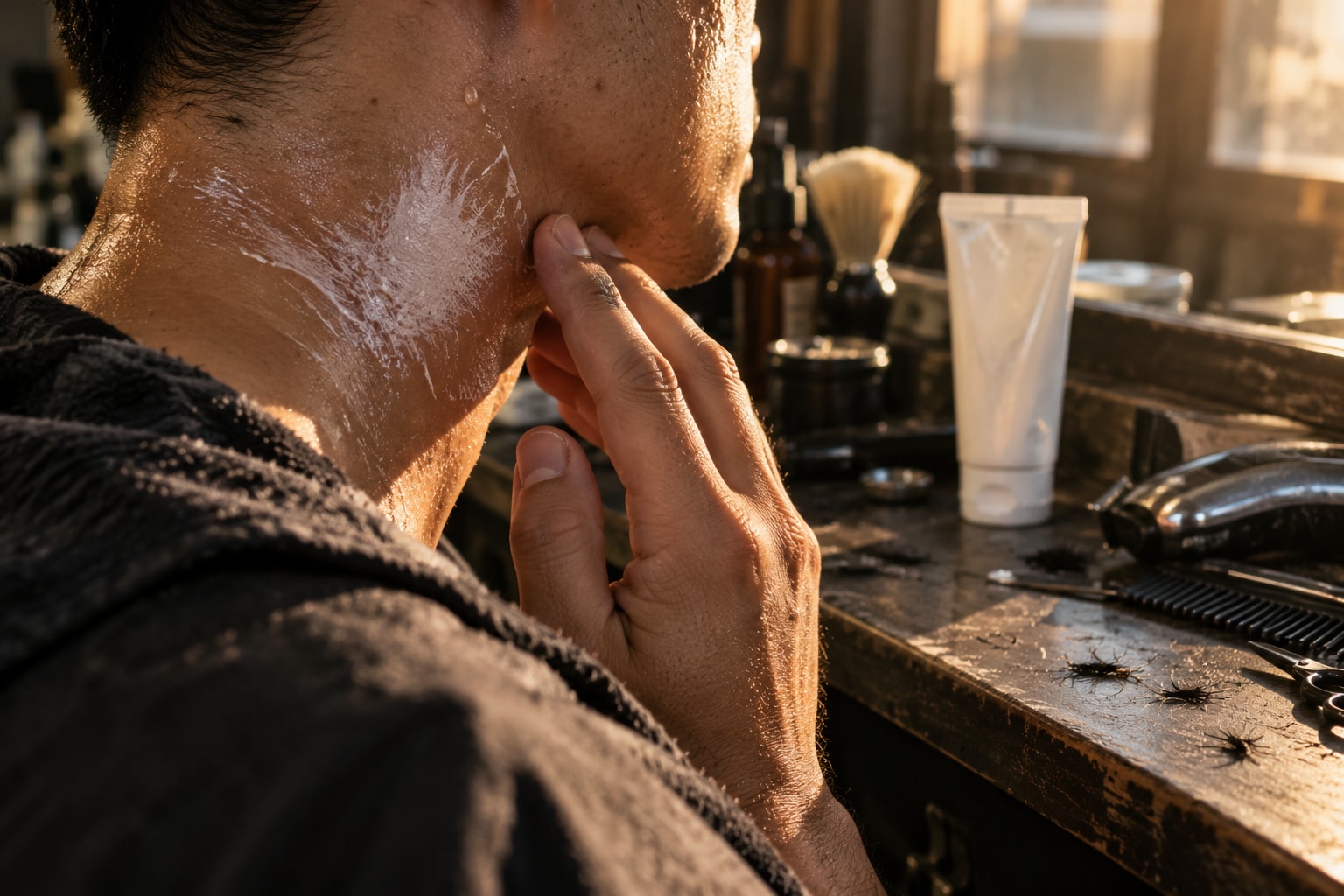
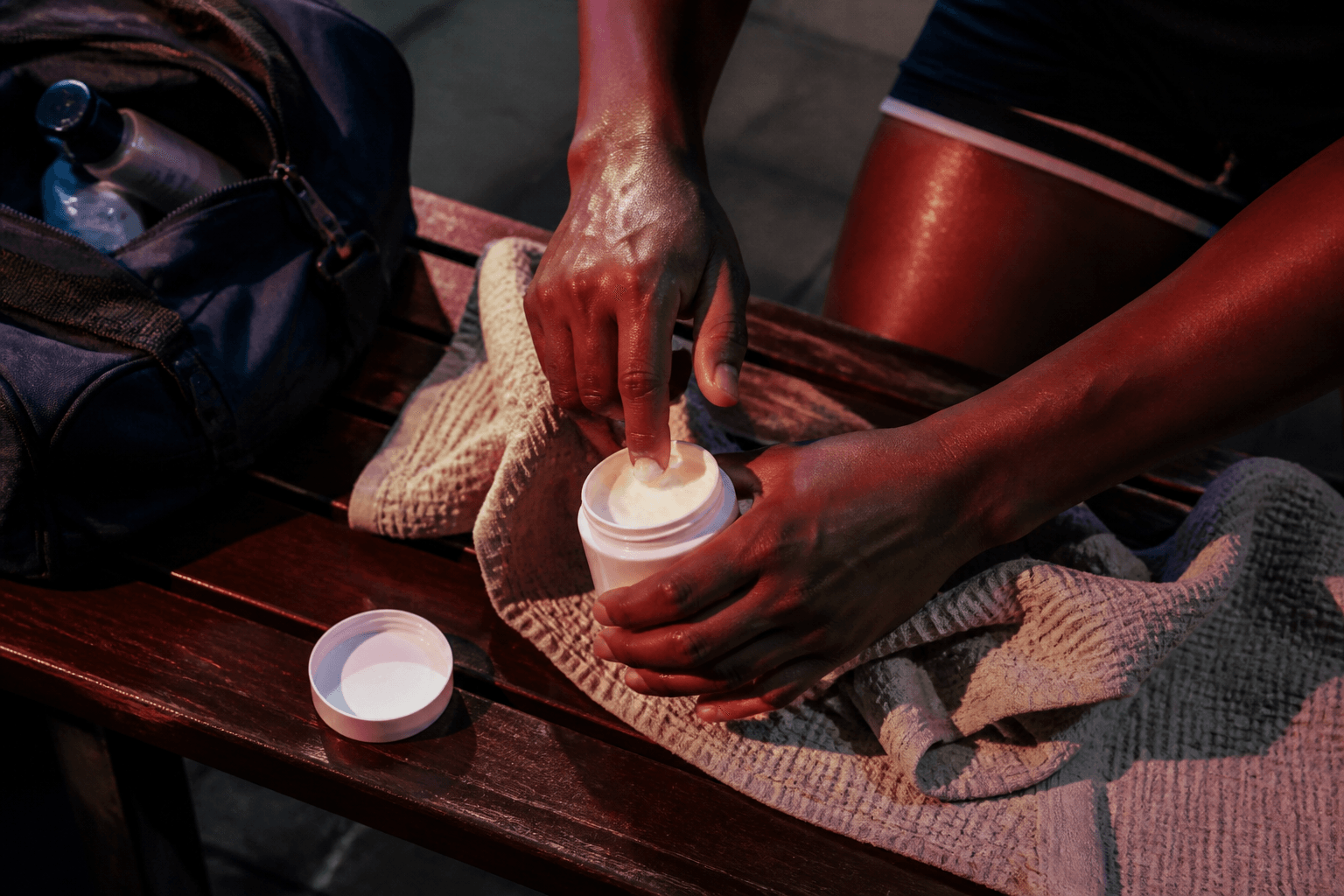
Why does moisturizer make my face sweat? Often, the cream makes existing moisture easier to see rather than creating more sweat. Thick formulas form a film, while heat, humidity, or a recent shower may already be driving perspiration.
Direct product triggers are barely studied, so sweating without moisturizer, in cool rooms, or during sleep points to another cause.
Why moisturizer can leave you looking sweaty
Moisturizer and sweat can meet on the skin in several ways, and timing alone doesn't tell you which one is happening.
A heavier formula slows water loss
DermNet says ingredients such as petrolatum, paraffin, mineral oil, and dimethicone form an oily layer that reduces evaporation from the outer skin.
That barrier helps dry skin, but it can also leave existing sweat or wash water more visible on the surface. This explanation doesn't prove the product made your sweat glands work harder.
Texture gives you a clue because DermNet ranks ointments as more occlusive than creams, while lotions are lighter. The NHS also describes ointments as thick and greasy, with creams better suited to daytime use.
Your body was already cooling down
The American Academy of Dermatology lists heat, humidity, activity, anxiety, and caffeine as common sweating triggers. A hot shower combines two triggers, while skincare after exercise adds another.
Moisturizer may simply be the step when sweat becomes noticeable, so try it again after your body and bathroom have cooled. That comparison is more useful than blaming one ingredient from the label.
The product may be irritating your skin
The NHS says emollients can cause overheating, burning, or stinging, while DermNet notes that some ingredients can cause irritant or allergic contact dermatitis.
Sweating alone doesn't confirm an allergy, but stop the product and seek advice if you develop a persistent rash, burning, or stinging. A dermatologist can arrange patch testing when contact allergy is suspected.
A direct sweating reaction is possible, but barely studied
A 2024 letter in the Journal of Clinical and Aesthetic Dermatology described “reactive hyperhidrosis” after topical products. The patient was a 41-year-old woman who already had chronic sweating in several body areas. A fragrance-free moisturizer produced palmar sweating within 30 seconds, and alcohol hand sanitizer caused a similar response.
That report records a possible product trigger, but it involved one patient. It cannot show how often this happens, which ingredients cause it, or whether ordinary facial sweating works the same way.
Run a cleaner test before replacing everything
Change one variable at a time, or a new cleanser, serum, cream, and sunscreen can leave you with no useful answer.
- Test in a cool room when you haven't just exercised, showered, or had a hot drink.
- Keep the rest of your routine the same and use your normal amount of moisturizer.
- Note whether you see distinct beads or only shine and stickiness.
- Record the areas involved, such as the upper lip, forehead, nose, or whole face.
- Repeat on several similar days, then compare with a lighter lotion.
Direct light can make a product film look wet, so use the same room, camera distance, angle, and lighting for comparison photos. Judge the pattern across several tests, not one shiny selfie. Keep those photos private if you prefer.
Don't keep testing a product that burns or produces a rash, and ask the prescriber before replacing a moisturizer used for a skin condition.
Choose a lighter routine without drying your skin
Start with texture, not a long ingredient blacklist, because a lotion usually leaves a lighter film than an ointment or rich cream. You can use a lighter product by day and a richer one at night if your skin needs both.
Apply a thin, even layer because adding more after your skin is covered may increase residue without solving dryness. Let each layer settle before applying the next one.
If several products cause the same effect, test your evening routine without makeup to separate moisturizer from the layers placed over it. Keep prescribed treatment unchanged unless its prescriber tells you otherwise.
Don't put a strong body antiperspirant or DIY acid mixture on your face because placement and strength matter near the eyes. A dermatologist can match treatment to the sweating pattern and check for other causes.
When the moisturizer may be a coincidence
Facial sweating can be part of primary focal hyperhidrosis, which the AAD says can affect the scalp and face. It produces more sweat than your body needs for cooling, often in one or two areas.
Look at what happens without skincare because sweating in a cool room, while resting, or on many days points beyond one cream. The AAD lists duration, weekly episodes, and effects on daily life among the clues clinicians use.
Sweating across most of your body or during sleep needs a different check because secondary hyperhidrosis can come from conditions or medications. Don't stop a prescribed drug yourself, and ask the prescriber whether sweating is a known effect.
Bring a short log covering timing, body areas, temperature, products, caffeine, activity, sleep, and recent medication changes. That record is more useful than a heavily lit close-up.
Common claims that don't hold up
Sweating after a cream doesn't prove your pores are clogged, though DermNet warns that occlusive emollients can aggravate acne or folliculitis. That is a separate issue from excess sweat.
It also doesn't prove oily skin is the cause, since the AAD links primary hyperhidrosis to faulty nerve signals controlling sweat. Oiliness and sweating can appear together without sharing one cause.
Sweat helps cool your body, but it doesn't prove that a moisturizer is “detoxing” your skin. Test the formula, setting, and baseline sweating instead of adding more products.
FAQ
Can moisturizer clog sweat glands?
A standard moisturizer forms a surface film, especially with occlusive ingredients, but current guidance doesn't show it forcing facial sweat glands to produce more. It may make moisture slower to evaporate and easier to see.
Should I stop moisturizing if my face sweats?
Not automatically. Test a lighter lotion in a cool setting while changing only that product. Stop for persistent rash, burning, or stinging, and ask for advice if the product was prescribed.
Is sweating after moisturizer an allergic reaction?
Sweat alone doesn't diagnose allergy, while contact dermatitis is more likely to involve a persistent rash or irritation. Stop the suspected product and ask about patch testing if those signs appear.
Why does every moisturizer make my face sweat?
The shared trigger may be a heavy texture, warm routine, or facial hyperhidrosis rather than one ingredient. Check your bare-skin baseline under the same conditions. Seek medical advice if sweating also happens at rest, during sleep, or across much of your body.