Quick answer
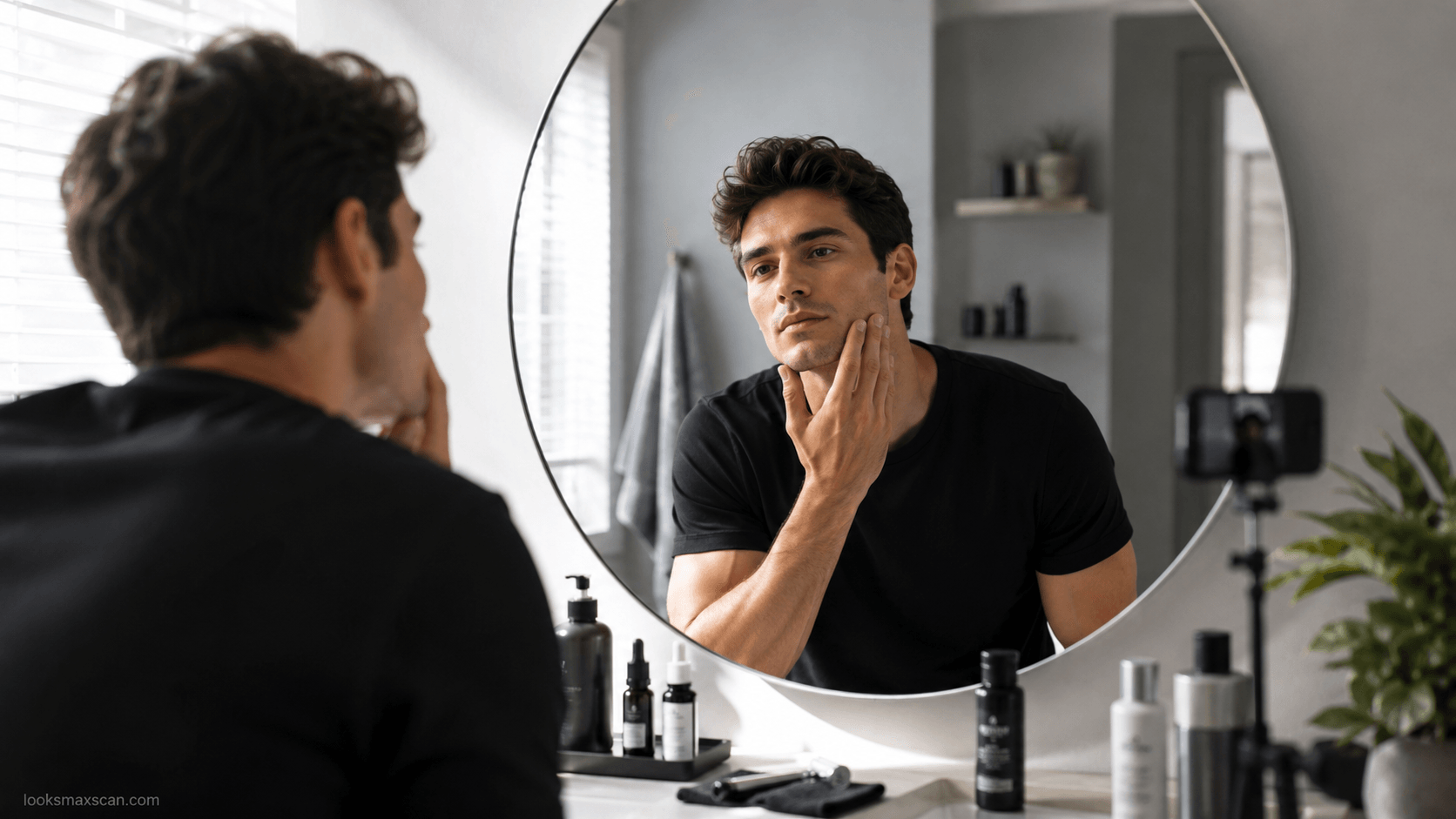
Looksmaxxing in 2026 is the internet language for trying to improve how you look. At its healthiest, it can mean ordinary self-improvement: better sleep, better grooming, consistent skincare, fitness, posture, and taking progress photos in fair lighting. At its worst, it becomes a ranking game where people chase impossible ideals, compare themselves obsessively, or take advice from extreme online subcultures that confuse self-worth with bone structure.
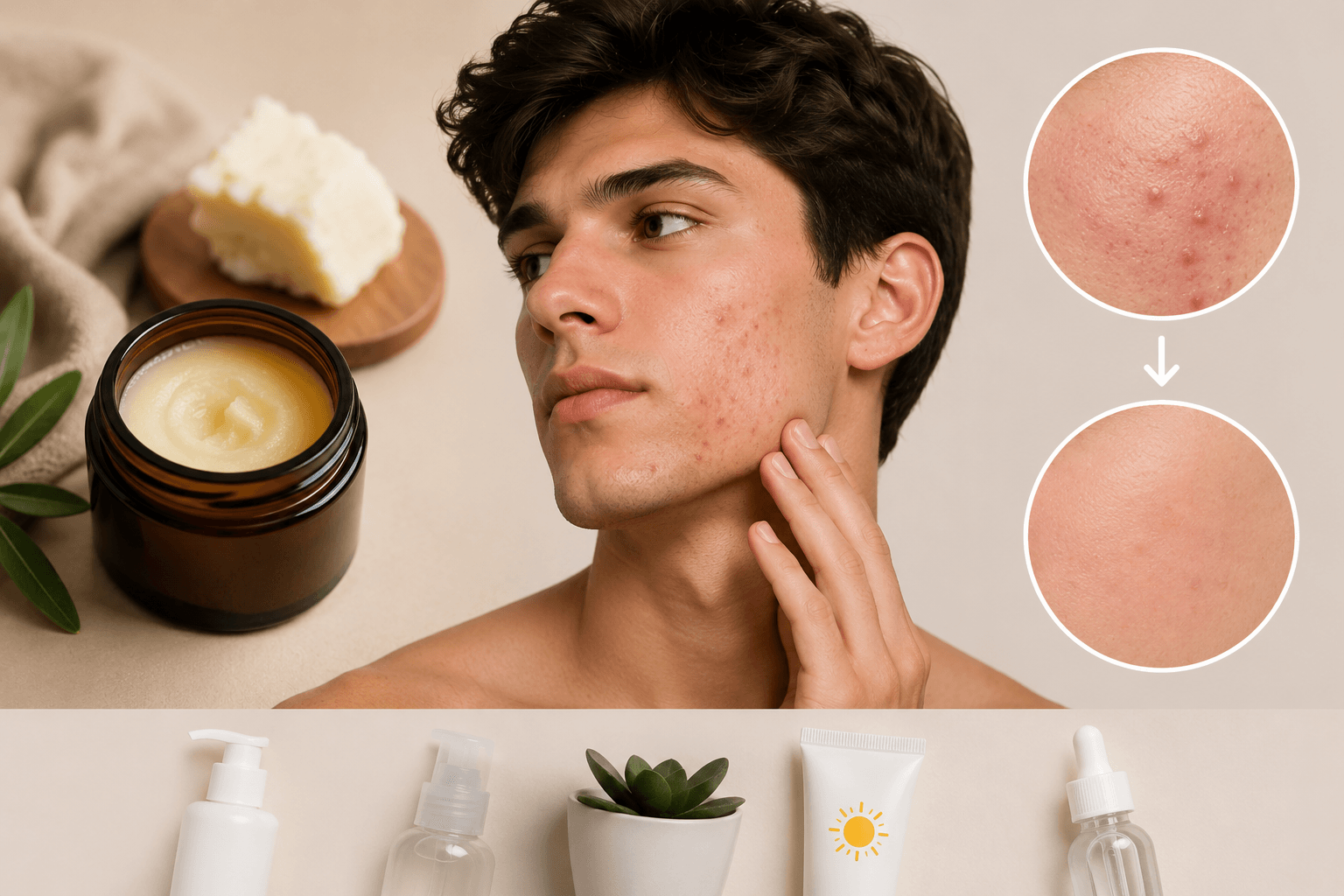
For LooksMax Scan, the useful version is simple: focus on visible, measurable skin signals you can improve over time. Acne, enlarged pores, redness, oiliness, and dark circles are more practical targets than vague attractiveness scores. A scan cannot tell you your value as a person, and it should not pretend to. It can help you notice patterns, track changes, and decide what to work on first.
Why this is trending
Looksmaxxing moved from fringe forums into mainstream feeds because it gives old appearance anxiety a new vocabulary. TikTok, short-form video, dating apps, AI selfies, and creator culture have made faces feel constantly measurable. The word also fits the broader online habit of turning everything into a maxxing project: gymmaxxing, skincaremaxxing, sleepmaxxing, stylemaxxing, and dozens of joke variants.
The attention economy rewards extremes. A calm skincare routine gets less attention than someone promising a dramatic transformation. That is why the conversation often jumps from normal grooming to exaggerated before-and-after edits, surgical speculation, or dangerous stunts. Mainstream coverage has treated looksmaxxing as a real cultural trend partly because young men are now being targeted by the same appearance-pressure machine that has affected women for years.
There is another reason the term keeps spreading: it feels actionable. Someone who feels stuck can type a few words into a search bar and get a list of things to change. The risk is that the list may be built by strangers who are selling insecurity, not health.

What the evidence says
The evidence supports a careful distinction. Appearance-focused self-care is not automatically harmful. A basic skincare routine, regular sleep, sun protection, exercise, and treating acne appropriately can improve confidence and day-to-day comfort. But researchers studying lookism and manosphere-linked self-improvement warn that some looksmaxxing communities can push people toward shame, social comparison, misogyny, racialized beauty ideals, and self-harm.
That is why the tone matters. An article or tool about looksmaxxing should not rank faces, insult people, or pretend there is one correct template for a good face. It should help users make practical decisions with clear limits. People-first content should be created to help users, not merely to capture traffic with sensational claims.
A healthier definition of looksmaxxing in 2026 is therefore not "become perfect." It is "identify the appearance factors you can reasonably influence without damaging your health or self-respect." Skin is one of the better places to start because many skin signals are visible, trackable, and influenced by routine, irritation, product choices, lighting, sleep, and professional care when needed.
What LooksMax Scan can help you check
LooksMax Scan is built around practical skin analysis rather than subjective face scoring. A clear front-facing photo can be used to preview five visible signals: acne, pores, redness, oiliness, and dark circles. The tool uses face mapping to keep the analysis zone-aware, so a breakout on the chin is not treated the same as shine on the nose or darkness under the eyes.
That matters because most people do not need a random stranger to tell them whether they are attractive. They need to know why their skin looks uneven in photos, whether their T-zone is driving shine, why nose dots keep coming back, whether redness is concentrated on the cheeks, or whether dark circles look worse in certain lighting. Those are useful observations because they can guide a routine.
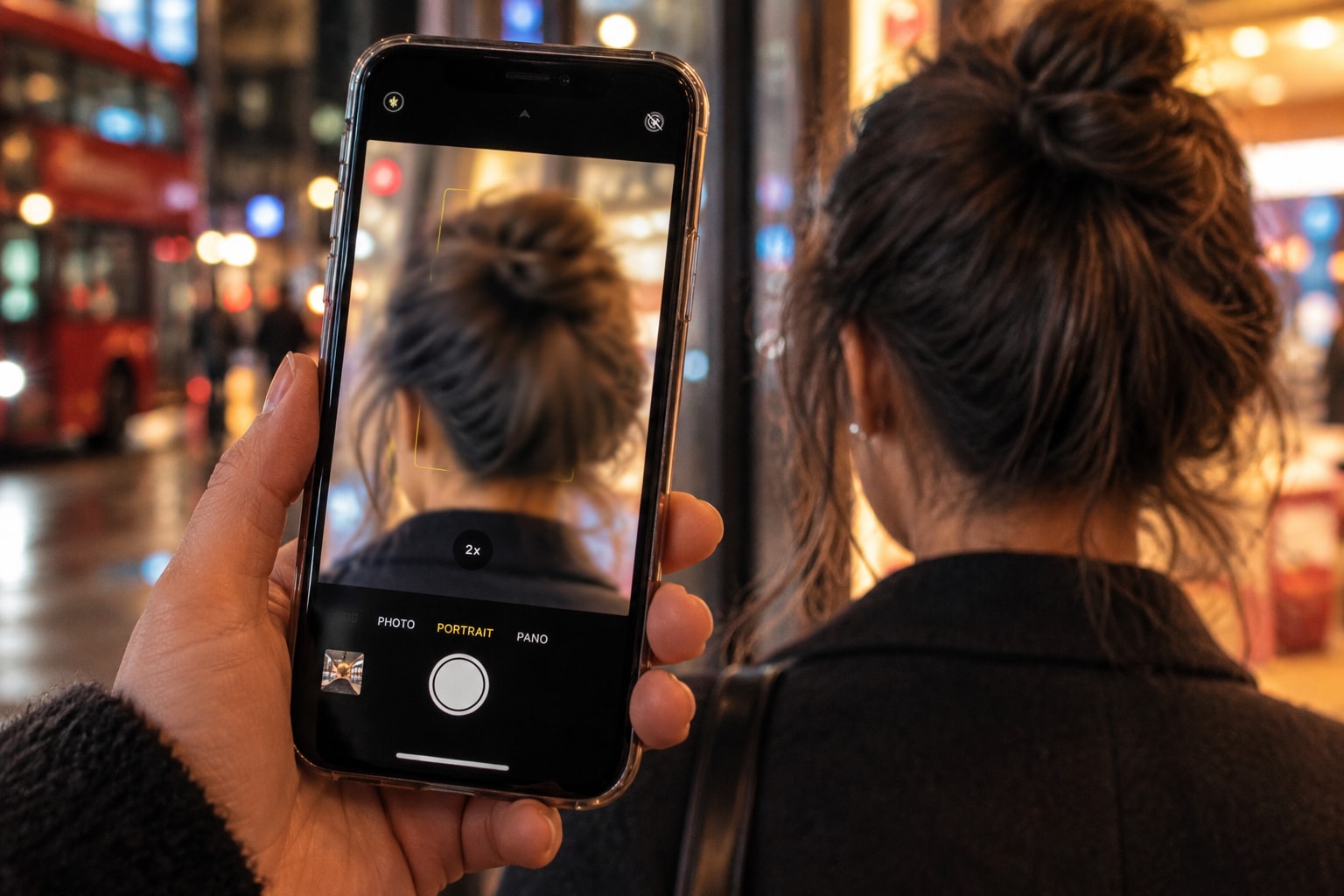
The strongest use case is progress tracking. One scan is a snapshot. Repeated scans under similar lighting can help you see whether your routine is moving in the right direction. That is a more grounded form of self-improvement than chasing a viral template.
What it cannot diagnose
LooksMax Scan is not a dermatologist and does not diagnose medical conditions. A photo-based tool cannot confirm acne type, rosacea, dermatitis, infection, allergy, pigmentation disorder, nutritional deficiency, sleep disorder, or any underlying health issue. It also cannot decide whether a mole or new lesion is harmless.
The tool should be treated as a visibility and tracking aid. It can surface patterns such as redness, texture, shine, visible blemishes, and under-eye darkness. It cannot tell you the cause with certainty. If a skin issue is painful, sudden, spreading, bleeding, scarring, infected-looking, emotionally distressing, or not improving with basic care, a qualified clinician is the right next step.
It also cannot measure your worth. Any looksmaxxing content that turns a person into a score is missing the point. A useful scan should help you improve a routine, not make you feel trapped in a ranking system.
Practical next steps
Start with soft, low-risk basics. Take photos in the same location, at the same time of day, with the same lighting. Do not compare a harsh bathroom mirror photo to a filtered selfie and call it progress or failure. Keep your routine boring for a few weeks before changing everything: gentle cleanser, moisturizer if needed, sunscreen in the morning, and targeted acne treatment only when appropriate.
Choose one skin goal at a time. If acne is the priority, avoid adding five new products at once. If oiliness is the issue, look for non-comedogenic formulas and do not strip your face until it feels tight. If redness is the problem, reduce irritation and watch for triggers. If dark circles are the concern, remember that sleep, genetics, allergies, pigmentation, anatomy, and lighting can all affect the result.
The best version of looksmaxxing is private, measured, and non-toxic. It is not about humiliating yourself or anyone else. It is about noticing what is changeable, respecting what is not, and building habits that make you look and feel healthier over time.
Run a private AI skin scan on LooksMax Scan.
Как изучать реальную структуру лица
В обсуждениях looksmaxxing часто ссылаются на бойцов единоборств как на примеры сильной линии челюсти и скул. Если хочется изучать реальные лица, а не отфильтрованные фото, база бойцов AgentMMA собирает подробные профили — например Брэйдена Питерса — чтобы сравнивать костную структуру у сотен атлетов вживую.