Quick answer
If your upper lip disappears when smiling, the lip usually isn't losing tissue. Smiling lifts and stretches the upper lip, so less of its pink surface stays visible. A small visible lip at rest, greater movement, and the kind of smile you make can strengthen the effect.
This is often a normal way for a lip to move, not damage or a flaw. Judge it in a short video, not one frozen selfie. A lip flip or filler may change the look, but each targets a different feature and has real downsides.
Your upper lip changes shape when you smile
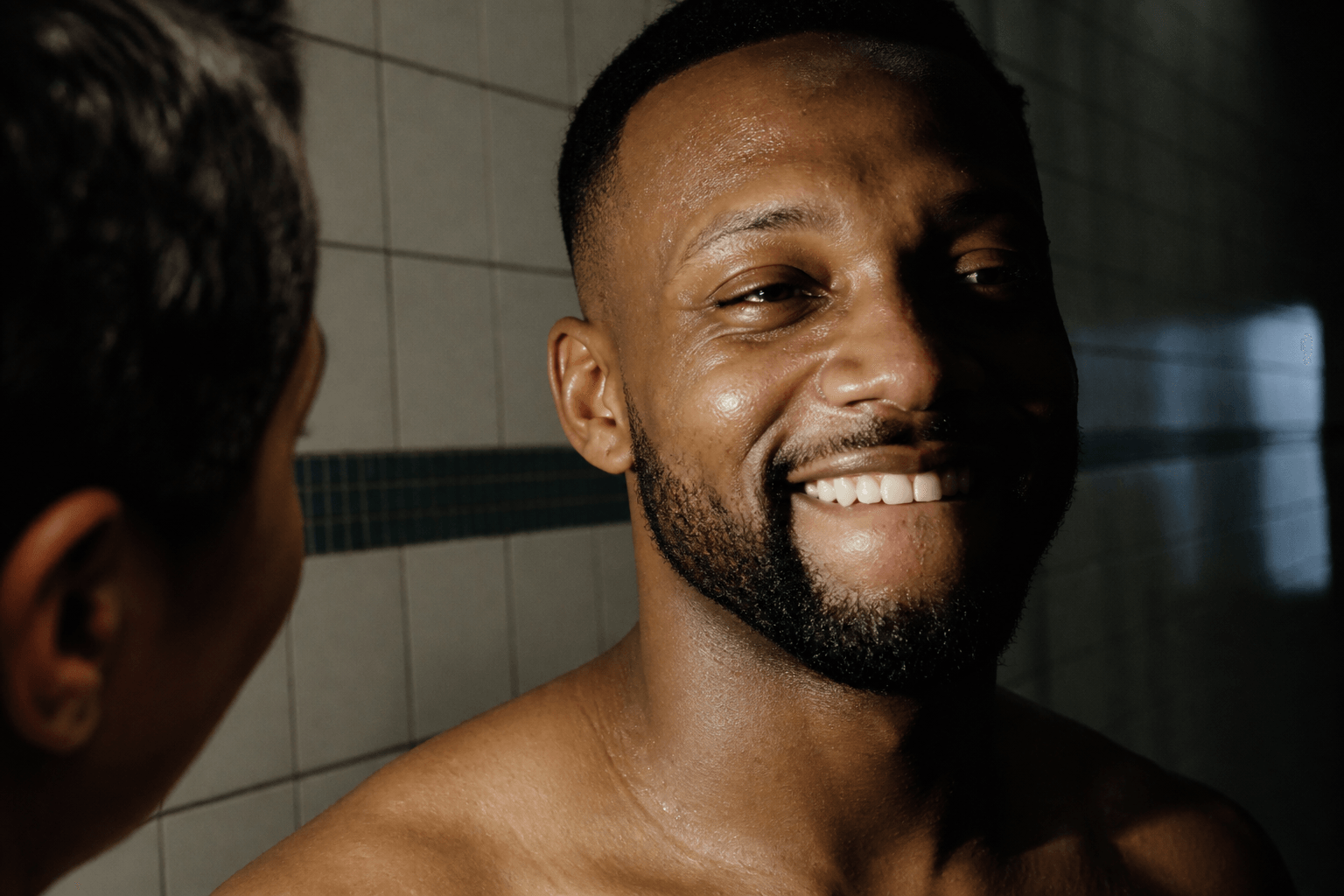
A resting lip and a smiling lip aren't the same shape. Muscles around your mouth lift the upper lip while the corners spread. The pink part you see is called the vermilion. It gets thinner and may turn inward during a wide smile.
No lip tissue has vanished.
A 2026 three-dimensional imaging study measured this movement in 212 Chinese people. Adult averages ranged from about 5.2 to 5.6 millimeters during a maximal smile. Thinner upper lips tended to move through a larger share of their resting length.
Those figures aren't a rule for your face. The sample included Chinese people with average tooth and gum display. Researchers also used a repeatable maximal expression, which isn't the same as every natural laugh.
An earlier study recorded spontaneous smiles from 188 young Chinese adults. The researchers found several smile patterns and upper-lip curves, rather than one standard shape. They also found differences by sex and compared their results with data from other populations.
The useful point is simple. Upper-lip movement varies between people, and a smile is a moving event.
Why the upper lip can look as if it vanished
Several effects can meet in the same frame:
- Less visible lip at rest. The same upward movement takes up more of a short or thin visible lip.
- More upward travel. Some lips move farther toward the nose during a full smile.
- Inward turning. The pink edge can roll away from the camera while the mouth widens.
- Smile intensity. A social smile, a natural laugh, and a forced maximum smile don't put the lip in the same place.
- Bad timing. A photo can freeze the moment when the lip is highest and thinnest.
The 2013 smile study used video because a spontaneous smile appears and fades too quickly for one photograph to show it well. That matters when a single selfie starts to feel like proof of a permanent feature.
It also explains why your lip may look present in the mirror but absent in a group photo. You aren't comparing the same expression.
A disappearing lip is not always a gummy smile
A gummy smile means that more upper gum shows during a smile. A highly mobile or short upper lip can play a part, but it isn't the only cause.
Tooth position, gum position, and the vertical size of the upper jaw can also affect gum display. You can have a thin-looking upper lip without showing much gum. You can also show gum while keeping a clear pink lip edge.
This distinction matters because the cause guides treatment. A clinic page that jumps straight from “disappearing lip” to injections may skip the dental part of the assessment.
Check your smile without overanalyzing it
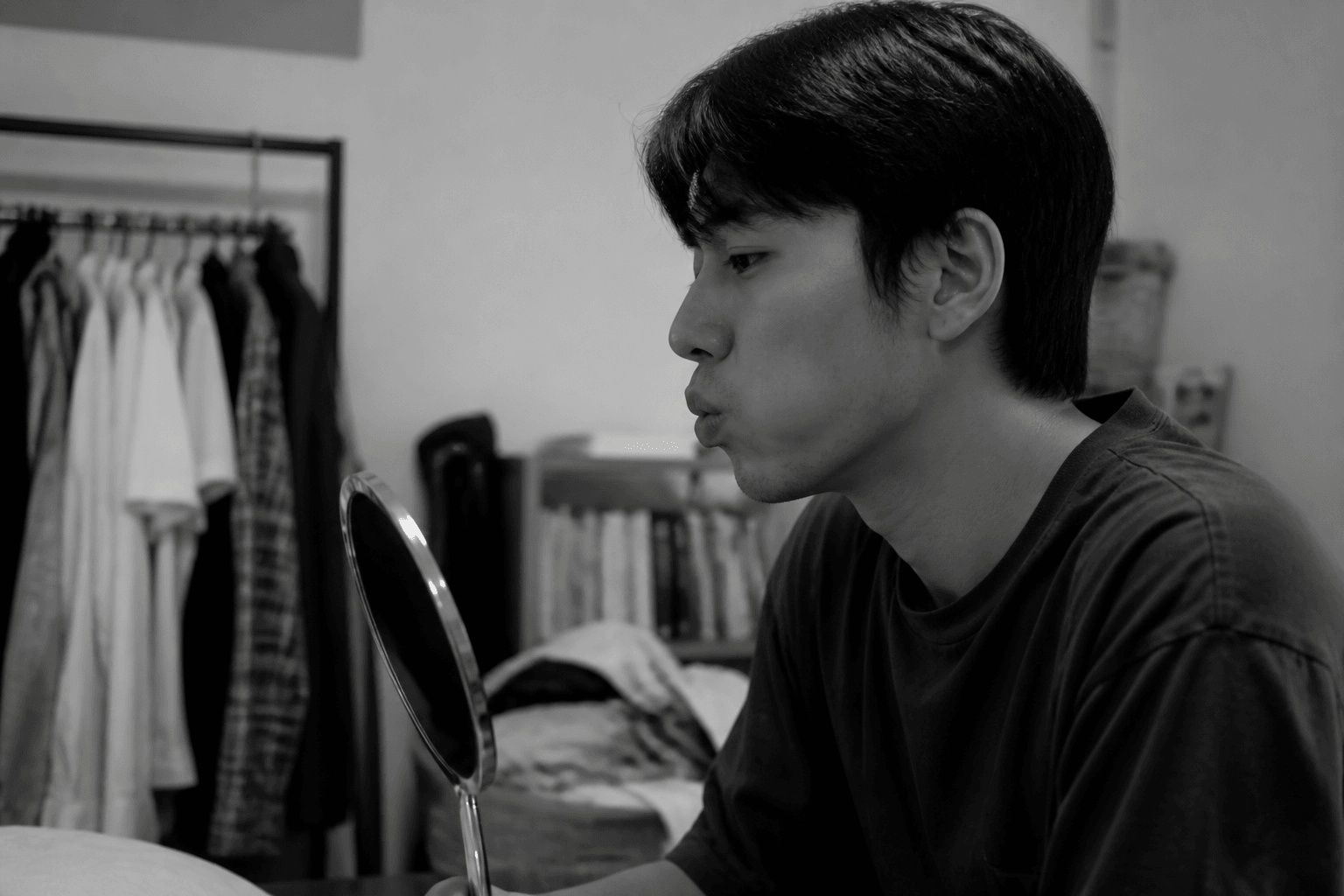
Record a short video in even light, with the camera at face height. Keep the distance and angle fixed. Start with your mouth relaxed, make a gentle posed smile, then let yourself laugh naturally.
Watch the movement once at normal speed. Look for whether the lip stays visible during most of the smile, rather than at its peak alone. Compare both sides and note whether the pattern has always been there.
Repeat the check on another day before deciding anything. This lowers the chance that one unusual expression or unlucky frame drives your judgment.
A static AI face scan has the same basic limit as a photograph. It can describe the frame you upload, but it can't diagnose muscle movement or dental structure. Use matched images to track appearance, not to label your smile as defective.
Low-risk changes help photos, not anatomy
For photos, use a comfortable mid-smile instead of forcing the widest grin. This changes the captured expression. It doesn't retrain your muscles or change your lip for good.
Online facial exercises promise to stop the lip from rolling inward. The two smile studies here measured natural movement and didn't test a training program. They cannot support claims of lasting change.
Practicing a relaxed posed smile may improve your control in photos, but it doesn't change your anatomy.
If your concern includes your bite, tooth display, gum display, or trouble closing your lips at rest, ask a dentist or orthodontist. Those questions need an examination, not a selfie diagnosis.
Lip flip and filler solve different problems
A lip flip uses botulinum toxin to relax parts of the muscle around the upper lip. This lets the edge turn slightly outward, so it can look fuller without added volume. Cleveland Clinic says the effect usually lasts two to five months.
Temporary doesn't mean risk-free. Too much relaxation can cause drooling or trouble drinking and speaking. You also can't reverse the effect at home; you must wait for it to wear off. Only an experienced, licensed healthcare professional should assess and perform this treatment.
Lip filler adds volume instead of reducing muscle pull. It changes a different part of the picture, so it won't fix every movement pattern.
Filler can cause bruising, swelling, infection, uneven lips, or movement away from the injection site. A blocked artery can damage tissue. If you consider filler, choose a qualified medical professional who can explain the risks and manage a problem.
Neither option is a default fix. Choosing no treatment is reasonable for a stable, painless smile pattern.
When a change needs medical attention
If the pattern has always been there and both sides still move, use the checks above. A sudden one-sided droop is different.
Call emergency services if new facial drooping comes with arm weakness or speech trouble. The NHS lists those as core stroke warning signs. Get prompt medical advice for new facial weakness even when no other symptom is obvious.
After any injectable treatment, urgent trouble breathing, swallowing, or speaking also needs medical care.
FAQ
Is it normal for an upper lip to get thinner when smiling?
Yes. Smiling raises and stretches the upper lip, which reduces how much pink lip stays visible. The amount varies with resting lip height, thickness, movement, and smile intensity.
Can facial exercises stop my upper lip from disappearing?
The studies used here don't show that facial exercises can change this smile pattern for good. You can practice a softer posed smile for photos, but that changes expression rather than anatomy.
Will a lip flip stop my upper lip from disappearing?
It may expose a little more upper lip by relaxing muscle and turning the edge outward. Results vary, last only a few months, and can affect drinking or speech if the muscle relaxes too much.
Is filler better than a lip flip for a disappearing upper lip?
They address different features. Filler adds volume, while a lip flip changes muscle pull without adding volume. A qualified clinician should assess your resting lip, smile movement, dental show, and goals before suggesting either.