Quick answer
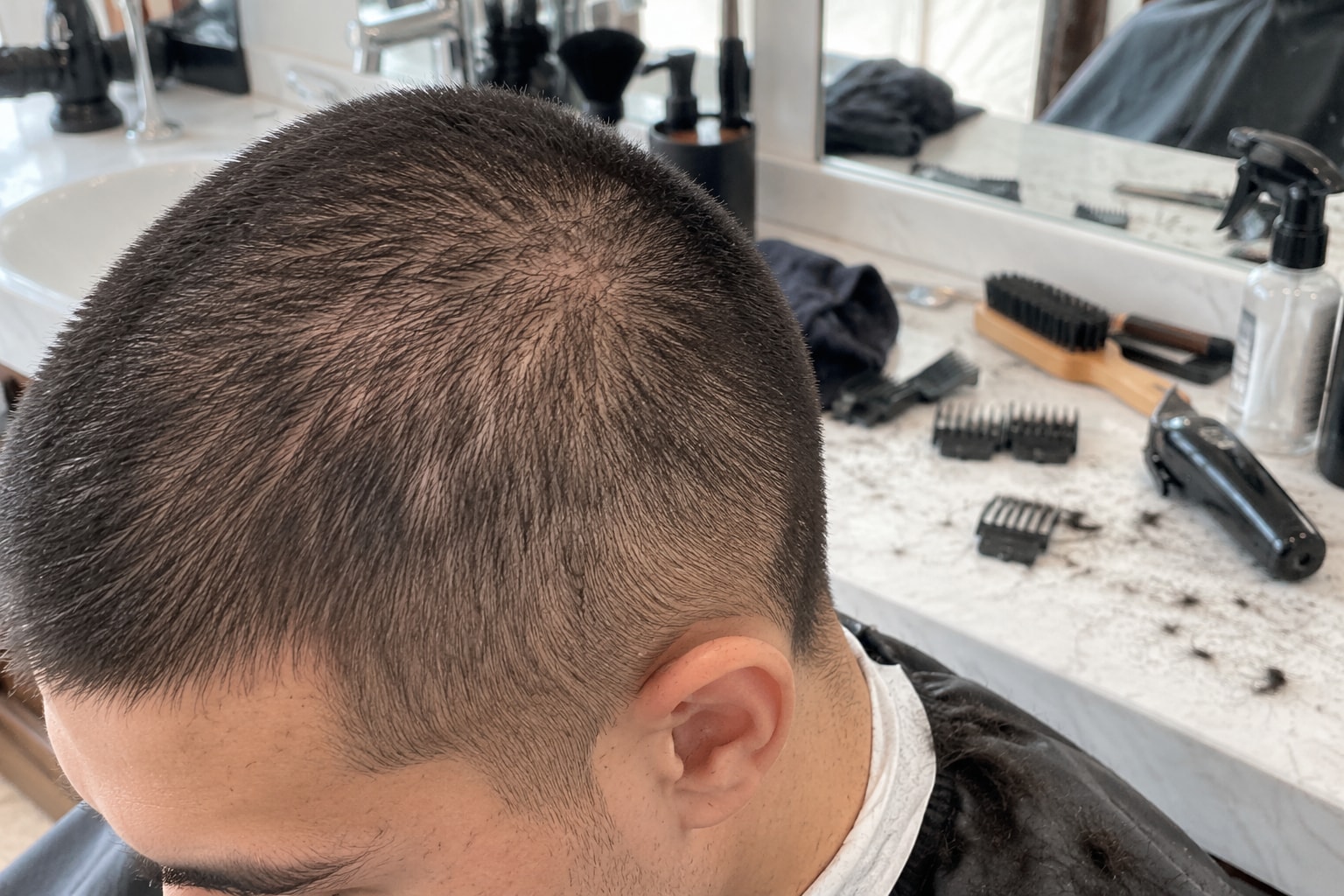
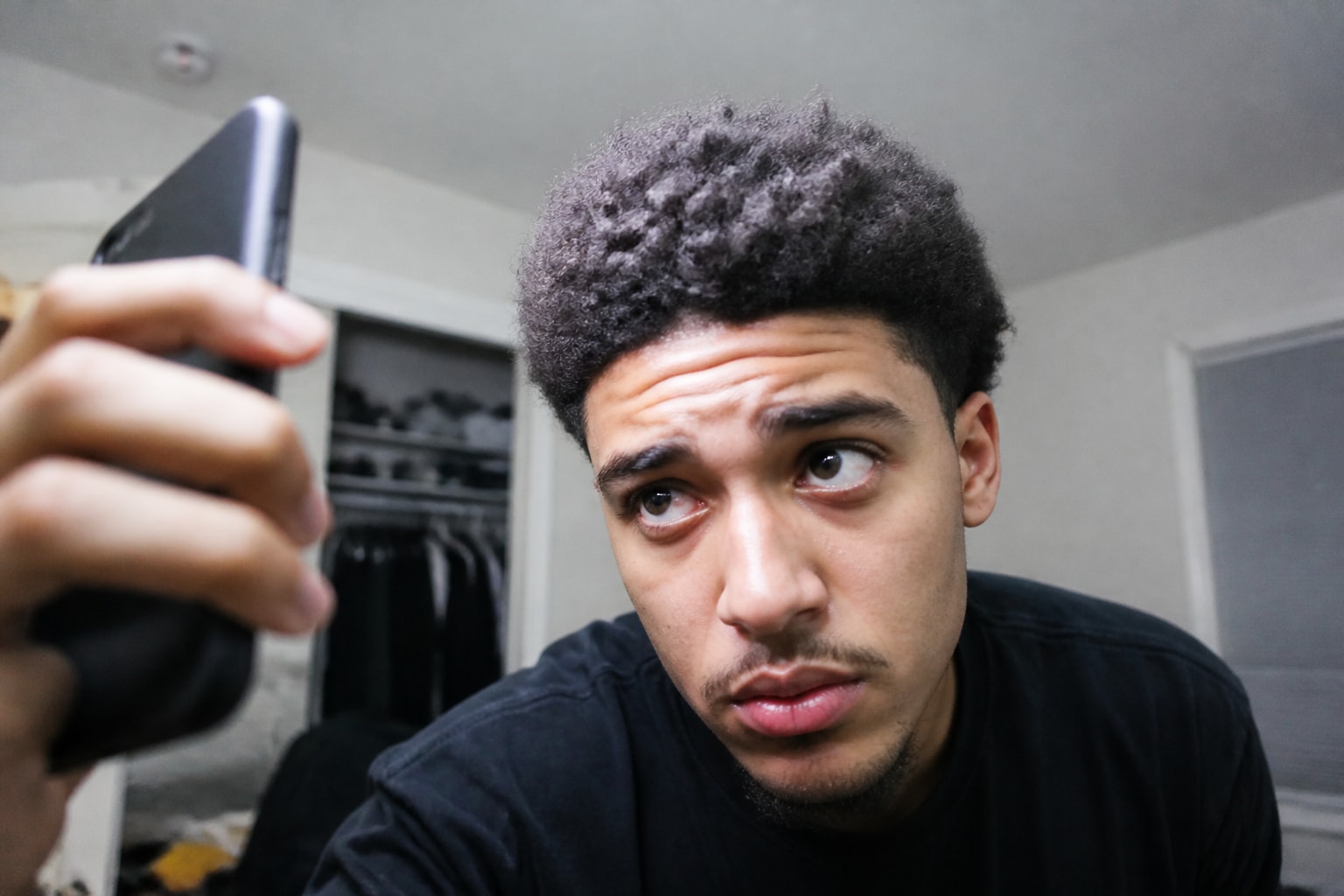
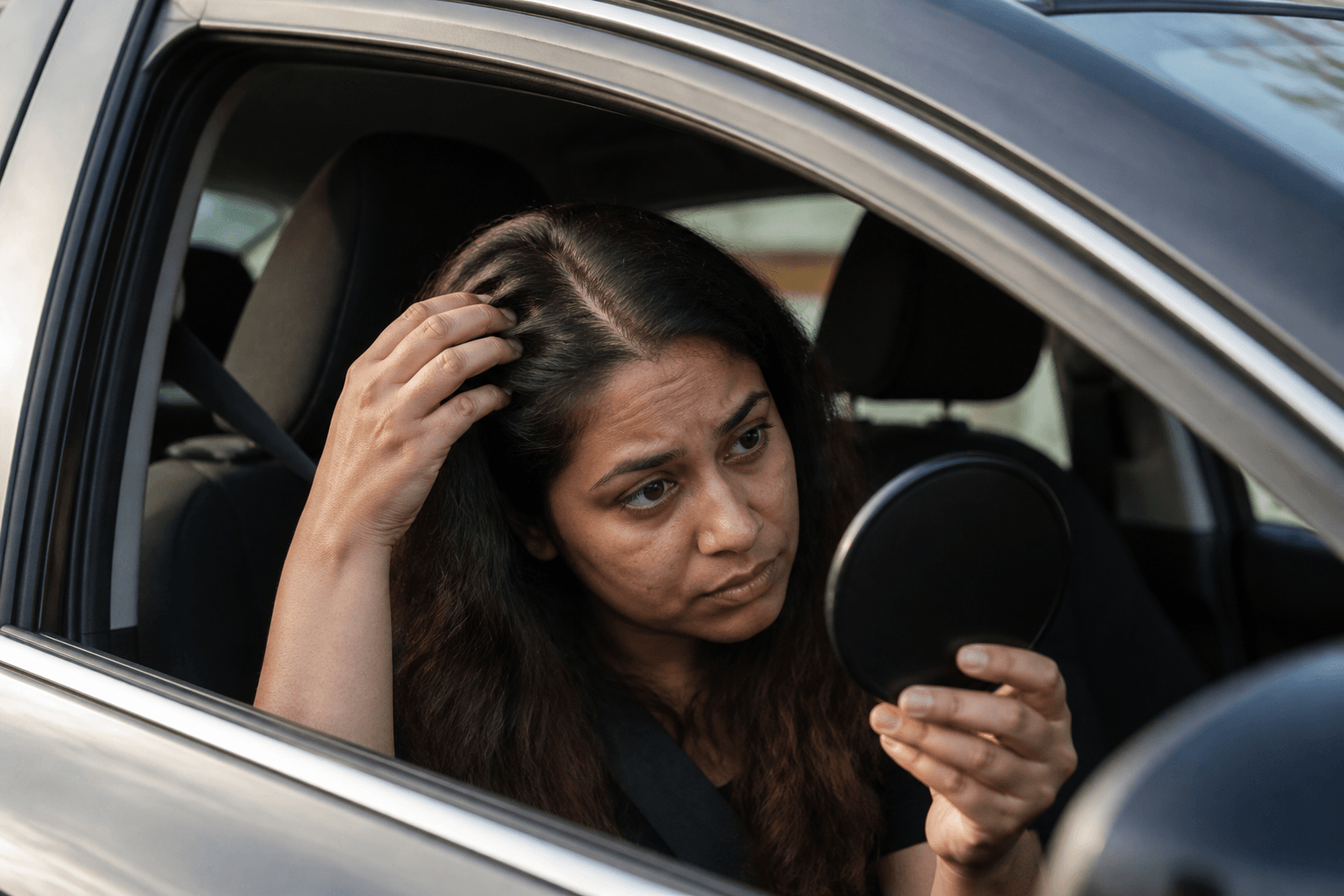
Why does my hair look thinner under bright light? Strong, direct light reaches your scalp through gaps between the strands. The scalp then looks brighter, so each part and gap stands out more, but that effect alone doesn't prove you're losing hair.
Bright light can also reveal a real density change that softer light hides, so don't treat one glimpse as proof. Instead, track whether the same area changes over time under the same conditions.
Why bright light shows more scalp
Hair isn't an opaque sheet but a group of separate fibres with spaces between them. A ceiling spotlight or phone flash sends light through those spaces and onto the scalp.
The returned light makes the scalp easier to separate from nearby hair, especially when they differ strongly in colour or brightness.
A dermatology review on hair camouflage explains that lowering colour contrast makes the scalp less visible and creates the impression of greater density.
Shinobu Nagase's review of hair appearance explains that reflection, refraction, scattering, absorption, strand alignment, fibre shape, and the cuticle all affect what you see.
That is why one patch can look dense in soft window light and sparse under a bathroom bulb, although its follicle count hasn't changed. The viewing conditions have.
What can exaggerate the effect
Several common factors expose more scalp without causing new hair loss.
| Factor | What changes in the view | A fairer comparison |
|---|---|---|
| Direct light from above | The part and crown receive a bright highlight | Use soft light from the front and above |
| Phone flash | Scalp glare rises while nearby hair looks darker | Turn off flash and keep room lighting even |
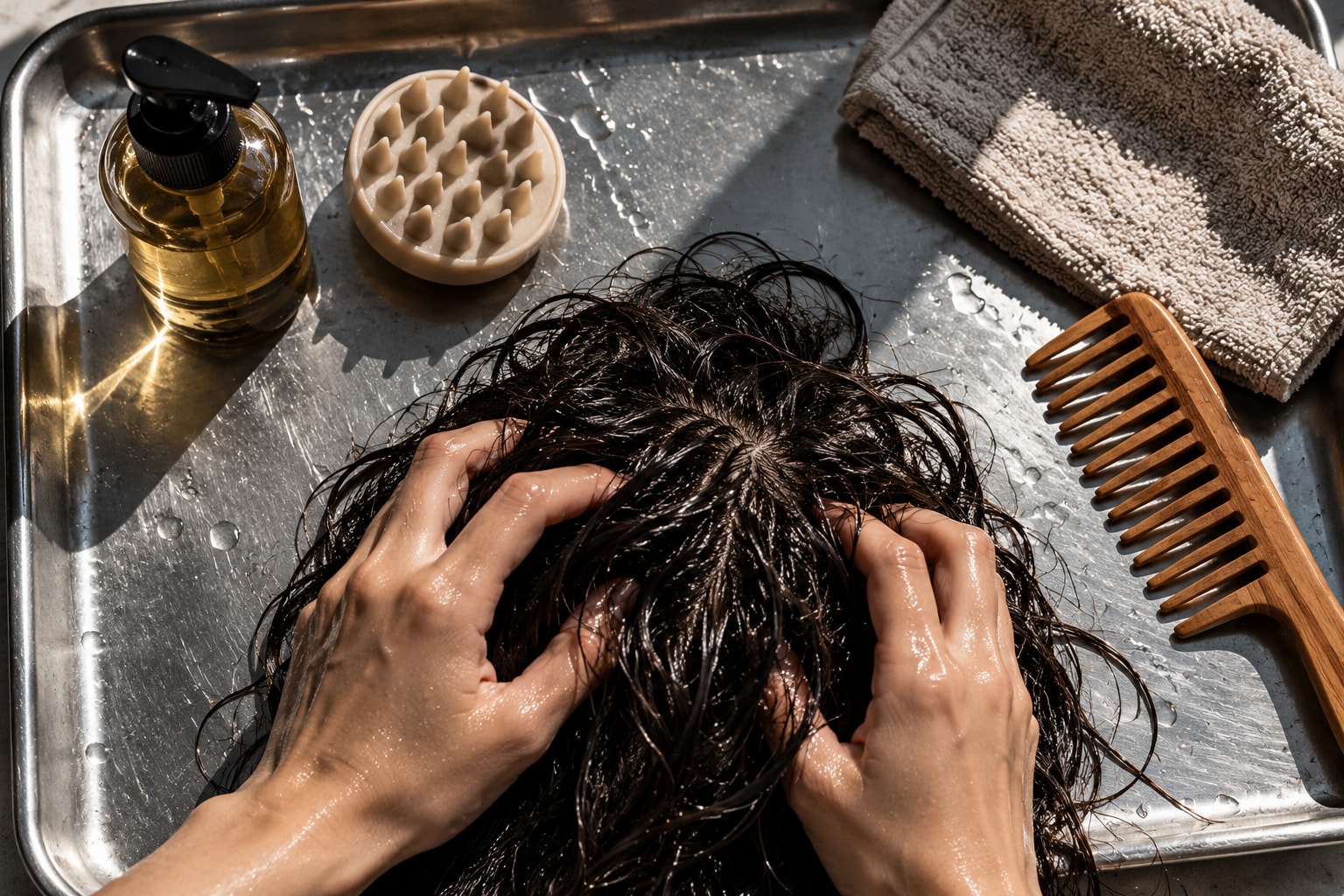
| Wet hair | Water pulls strands into larger bundles, leaving wider gaps | Compare only when hair is fully dry |
| A sharp part or cowlick | Strands point away from one line or centre | Keep the same part and camera angle |
| Close camera angle | The crown fills the frame and small gaps look larger | Keep distance, zoom, and head position fixed |
| Different styling | Volume and strand spacing change | Use the same clean, dry style each time |
Wet hair is a strong confounder, and a Nature paper tested why wet fibres gather into bundles. Capillary forces pulled neighbouring fibres together as the model brush left the liquid.
Your scalp can then show through larger spaces between bundles, so wait until your hair is dry before judging density or taking a progress photo.
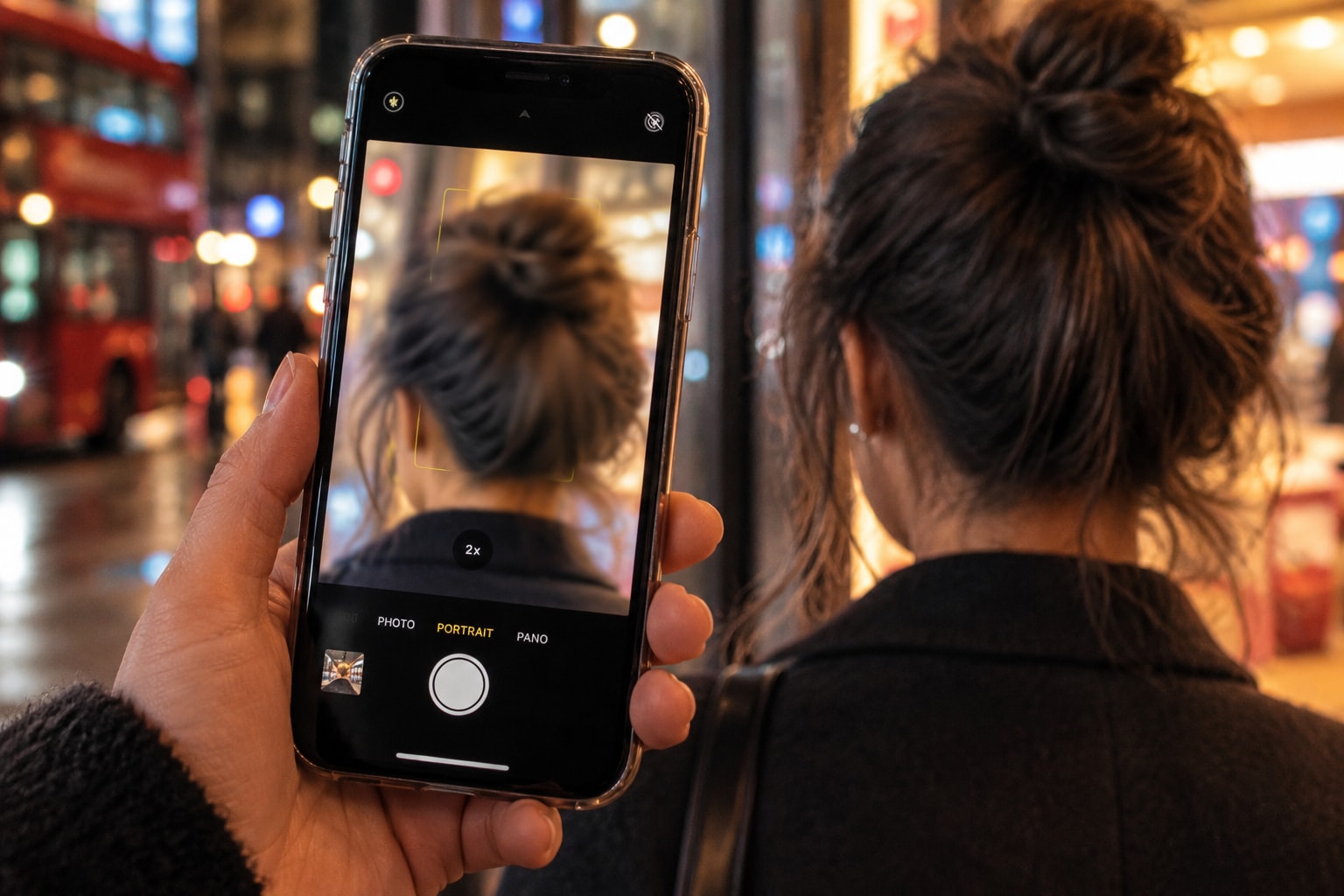
Camera processing adds another layer because a phone can change highlights and shadows, altering the apparent contrast. Don't compare a flash photo with a mirror view and treat the difference as hair loss.
Does visible scalp mean you're losing hair?
Not by itself, because scalp visibility is an appearance signal rather than a follicle count.
Natural density, strand width, curl pattern, colour contrast, part placement, and styling all affect coverage. Bright light exposes those differences. It doesn't tell you their cause.
Look for change, not one harsh view, because the American Academy of Dermatology lists several early signs that develop over time:
- a part that keeps getting wider
- a ponytail that feels less full
- gradual thinning across the scalp
- a hairline that becomes more recessed each year
- a bald spot that slowly grows
These patterns matter more than seeing your scalp beneath one downlight, so compare the same areas over several months.
Shedding is a separate clue, and DermNet notes that diffuse shedding can produce thinning across the scalp. People may notice clumps in the brush or shower after a triggering event.
A widening part can reflect gradual pattern hair loss, while heavy shedding may have other causes. A photo alone cannot separate them.
Run a simple four-week check
You don't need to count every strand, so build one repeatable photo setup and leave it alone for four weeks.
- Photograph clean, fully dry hair.
- Stand in the same room at the same time of day.
- Use one soft light source and turn off flash.
- Put the phone at a fixed distance and height.
- Keep the same part, style, camera setting, and head angle.
- Take front, part, temple, and crown views.
Take the next set after four weeks, not tomorrow. Hair photos change with tiny shifts in angle, so daily checking creates noise without showing a useful trend.
Clinical trichology guidance follows the same principle, and Ashique and Kaliyadan call lighting the most important part of hair photography. They favour reflected light over direct light to reduce glare.
For serial photos, they stress consistent positioning, lighting, camera settings, and background, which you can copy with a marked floor position and stable phone support.
Don't judge progress by exposure alone; check whether the part width, temple outline, or crown pattern changes in the same frame. Keep the original files so later crops and filters don't alter the comparison.
You don't need to post these photos because a private album is enough. If you use any photo-analysis tool, remember that it can compare visible patterns but cannot diagnose the cause of hair loss.
When to get a professional check
Book a GP or dermatologist if consistent photos show a widening part, growing patch, steady recession, or sudden heavy shedding.
Scalp symptoms matter, especially intense itching, burning, tenderness, scaling, redness, swelling, or sores alongside hair loss. The American Academy of Dermatology says these signs can point to conditions that need an examination.
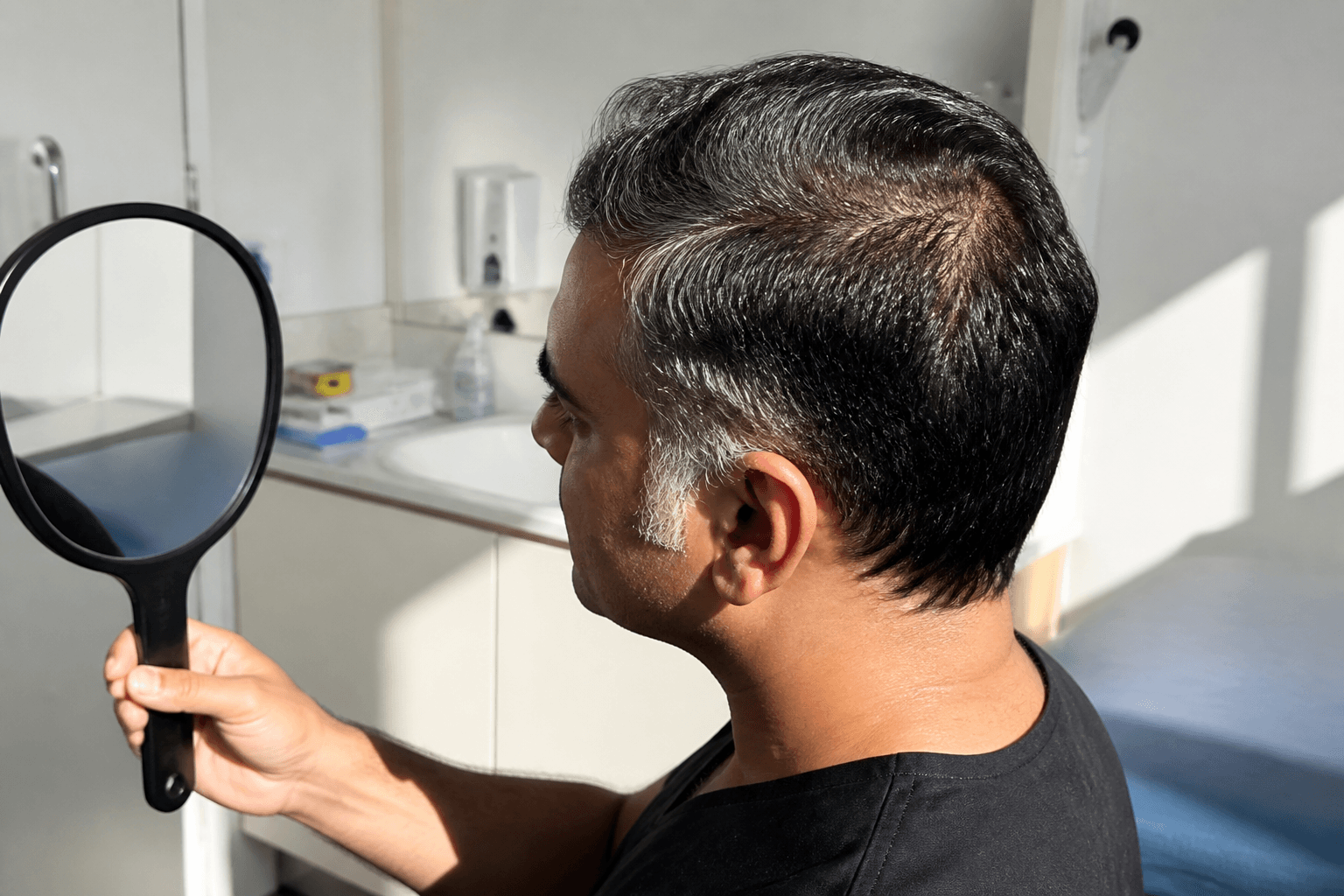
A clinician can inspect the pattern, scalp, and hair shafts, then use tools such as a pull test, trichoscopy, or selected blood tests.
Avoid starting prescription drugs or online hormone products from a bright-light photo. The right next step depends on the cause, and different forms of hair loss need different care.
What you can change today
For a less exposed look, change the light and styling rather than attacking your scalp.
Use soft, spread-out light from the front, then dry your hair fully and loosen any large clumps with your fingers. A slightly less defined part can reduce the straight line of visible scalp.
Hair fibres or scalp powders can lower colour contrast and create the impression of greater density, but they don't grow new hair. Patch-test a cosmetic first if your skin reacts easily.
These appearance tools shouldn't replace an assessment when your hair is clearly changing.
FAQ
Is it normal to see scalp under a bright bathroom light?
Yes, some scalp can be visible when direct light hits a part, crown, or cowlick, so judge change with repeatable photos.
Why does my hair look thinner in phone photos than the mirror?
Flash, exposure processing, camera angle, and close cropping can raise scalp contrast, so copy the same distance, light, and angle each time.
Should I check my hair wet or dry?
Check it fully dry because water pulls strands into bundles, which can open larger gaps and make the scalp look more exposed.
How do I know if the thinning is real?
Track the same views monthly, and seek a professional assessment for a widening part, growing patch, thinner ponytail, steady recession, or heavy shedding.