Quick answer
Does eyelid tape work permanently? There is no reliable evidence that it safely or predictably creates a lasting double-eyelid crease. Tape makes a mechanical fold while attached, but reports of a crease lasting after removal come mainly from anecdotes and surveys.
Two direct human studies found concerns with blinking, tear stability, eye-surface staining, and possible eyelid laxity. A lasting shape change is not proof of a healthy or intended result.
What eyelid tape actually changes
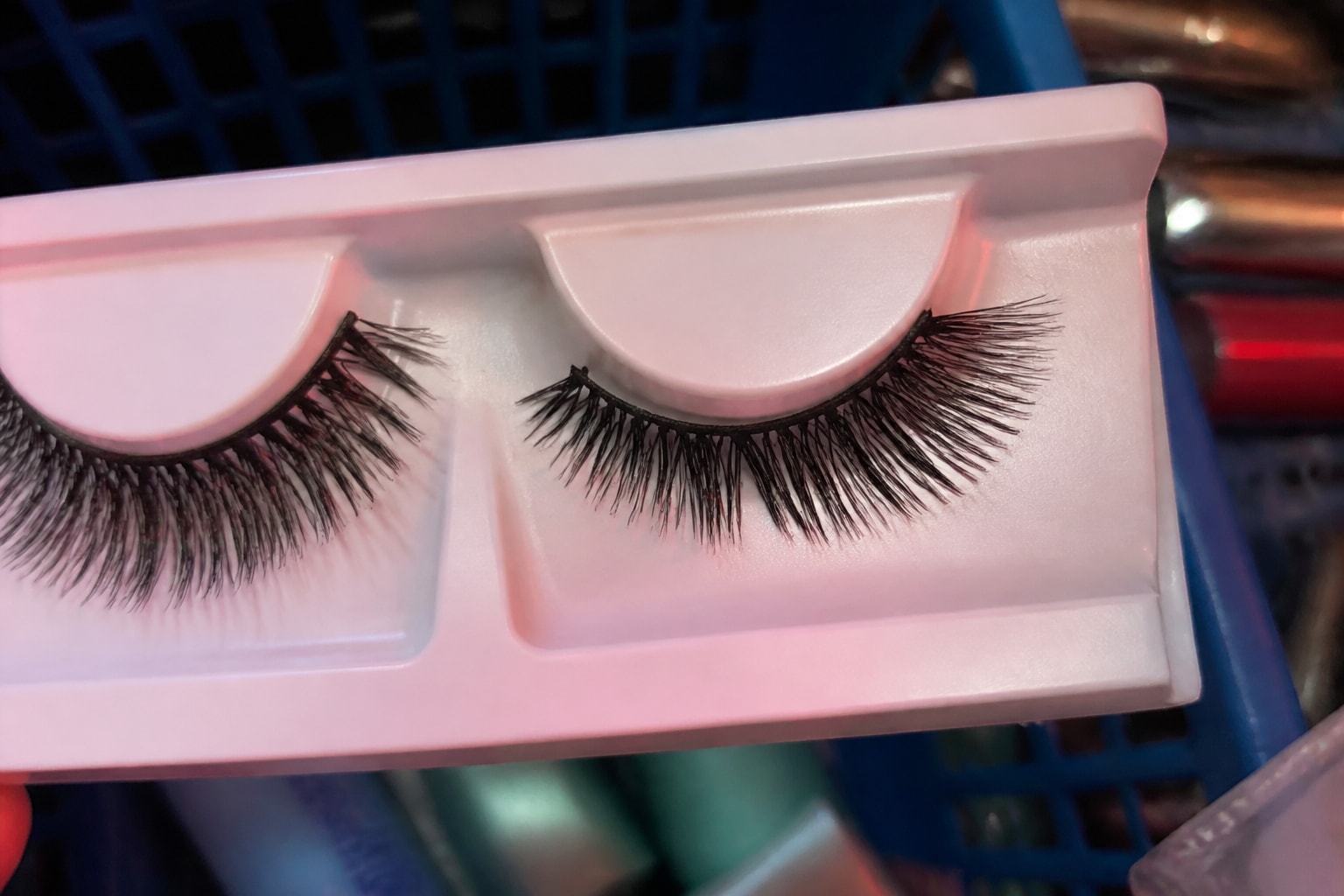
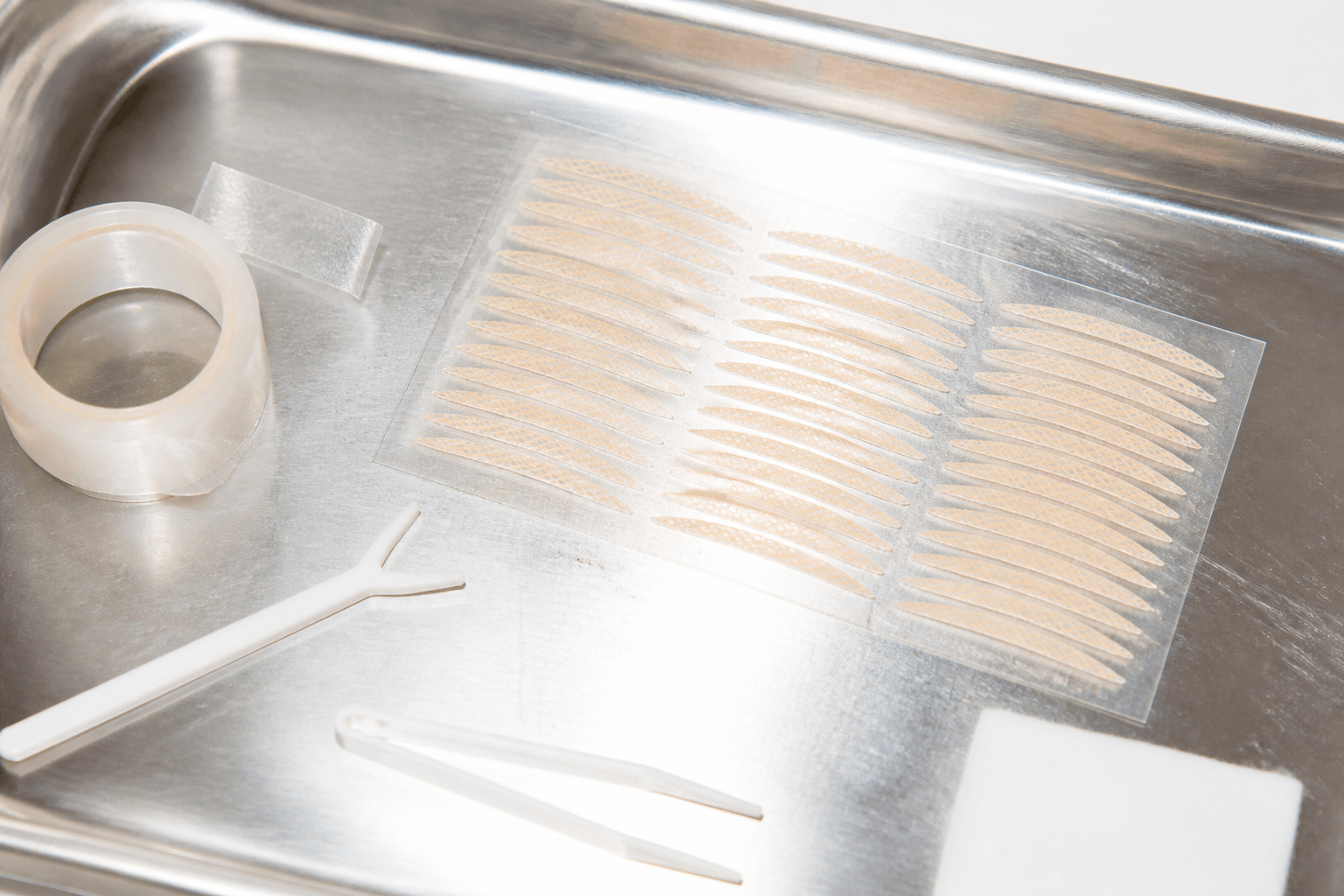
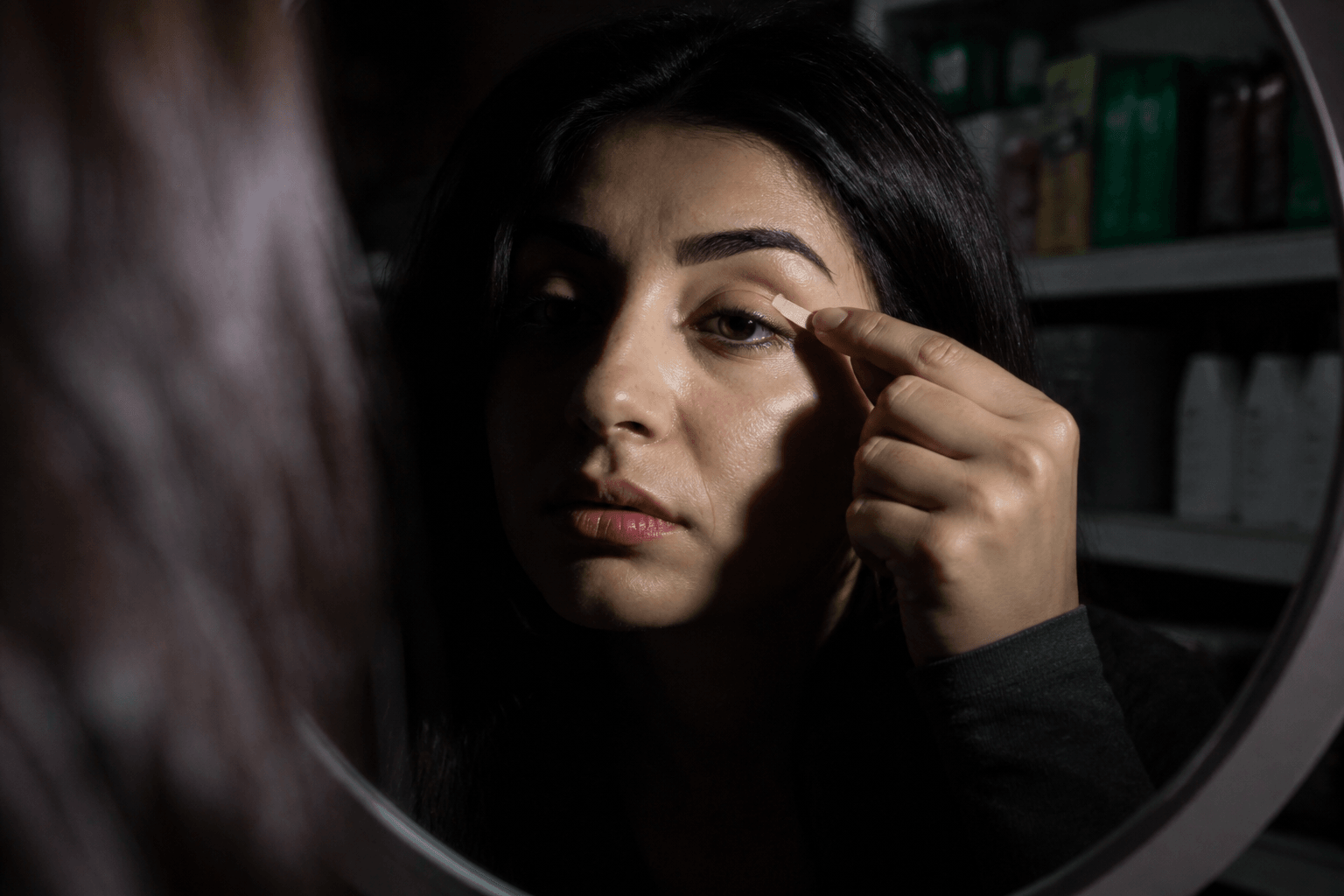
Double-eyelid tape is a small adhesive strip that holds upper-eyelid skin in a new fold. The strip keeps the skin in that position, but once it comes off, that mechanical support is gone.
Natural eyelid folds vary with the skin, connective tissue, fat, and muscles under the lid. Monolids and uneven creases are normal features, not defects that need training. Cleveland Clinic notes that eyelid folds help the skin move as your eyes open and close.
Tape can create a convincing temporary effect, but it does not rebuild the structures that form a natural crease. No controlled study has found a wear schedule that creates a safe, predictable permanent fold.
The permanence claim has not been proved
A 2025 study led by Kun Yang examined long-term double-eyelid tape use in 267 people attending a plastic surgery department. About 70.8% reported a permanent eyelid shape change. The researchers also found a difference in one lid-pull measure and concluded that prolonged use may cause eyelid laxity.
That result needs careful reading because a permanent shape change could mean the desired crease, unwanted looseness, or another change. The survey did not separate those outcomes clearly enough to treat the number as a success rate.
The study was observational, so it cannot prove tape caused the changes. Participants came from one clinical setting, nearly all were women, and their average age was about 24. Exposure history and permanent change were self-reported, and only 33 people formed the surgical tissue subgroup.
This leaves a clear answer: long-term anecdotes are possible, but permanence is not dependable. You cannot know whether repeated use will do nothing, leave the intended fold, or produce unwanted laxity.
Four weeks of wear affected the eye surface
A 2020 study followed 29 young women with single eyelids under an experimental exposure, not a recommended routine. For four weeks, they wore double-eyelid tape at least eight hours daily on five days each week.
The average tear break-up time fell from 3.59 seconds to 1.66 seconds by week four. Shorter break-up time means the tear layer became unstable more quickly. Conjunctival and corneal staining increased, as did signs of meibomian gland problems.
By week three, every participant showed incomplete blinking during the examination. Yet their reported discomfort scores did not change in a statistically clear way. Your eyes may therefore feel tolerable while measurable changes are already present.
The study was small, short, and had no untreated comparison group, while every participant was a young woman with single eyelids. It did not test whether a crease lasted after stopping or how quickly the eye findings recovered.
Even with those limits, the findings matter because eyelids spread the tear film and help keep the eye surface moist. A cosmetic fold is a poor trade if the tape interferes with that job.
Lasting change is not the right success test
Online before-and-after posts often treat any crease that remains after removal as proof that tape worked, but they cannot show what changed underneath. They also cannot separate tape effects from age, swelling, natural crease changes, or eyelid laxity.
Look at function before appearance: can you blink fully, and do your eyes stay comfortable through the day? Is the lid skin calm rather than red, swollen, itchy, or scaly?
Daily close-up photos can also magnify tiny differences in lighting, gaze, and morning puffiness. If you track an uneven crease, use the same camera, distance, head position, and time of day. Compare weekly at most, and stop if checking makes you more distressed.
If you still use tape occasionally
Occasional use has not been studied well enough to call risk-free. The direct four-week study tested frequent wear, while the long-term study focused on people with prolonged exposure.
You can still lower avoidable risk:
- Use only a cosmetic product made for eyelids. Never substitute household tape or glue.
- Do not wear it overnight or use it to force an eye closed.
- Remove it gently. Repeated rubbing and pulling can irritate thin eyelid skin.
- Do not apply it over a rash, cut, swelling, or active eye infection.
- Stop if blinking feels incomplete or your eye becomes dry, painful, red, or blurry.
DermNet explains that eyelid skin is especially sensitive to irritants and allergens. Contact dermatitis can cause itching, stinging, burning, redness, scale, and swelling. A reaction may appear after many uneventful uses because contact allergy can develop over time.
Makeup can change how defined a natural fold looks without holding the lid in a forced position. It will not create a permanent crease, and eye cosmetics can still trigger dermatitis, so stop any product that causes a reaction.
What to do if you want a lasting change
Do not extend daily wear in the hope of training the lid. There is no evidence-based number of hours, months, or years that produces a permanent crease safely.
If the issue is visible only in selfies, first compare neutral photos from the same angle and lighting. A slight change in gaze can alter how much lid shows, but tape cannot assess a drooping lid that blocks vision.
For a persistent functional concern, see an optometrist or ophthalmologist. If you are considering a medical cosmetic procedure, consult a qualified oculoplastic surgeon. Ask how your eyelid anatomy affects the options, risks, recovery, and expected stability.
Seek prompt eye care for ongoing pain, light sensitivity, blurred vision, discharge, or trouble closing the eye. A persistent scaly or swollen rash may need a dermatologist and formal allergy testing.
FAQ
Can eyelid tape train a monolid into a double eyelid?
No controlled evidence shows that tape can safely train a monolid into a stable crease. It holds skin in a fold while worn, but lasting-crease reports do not show frequency or whether the tissue change is healthy.
Why do some people say their crease became permanent?
Some people may notice a fold after they stop using tape, and the 2025 survey recorded lasting shape changes. That study could not separate a desired crease from laxity, natural change, or a mixture, so an anecdote cannot predict your result.
Does eyelid tape cause sagging?
The long-term study found an association between prolonged use and a measure consistent with eyelid laxity. It cannot prove cause or give a safe exposure limit, so sagging is possible but its likelihood remains unknown.
How long should I wear eyelid tape for permanent results?
There is no evidence-based schedule, and extending wear adds exposure without making permanence predictable. The eight-hour exposure in the four-week study was a research method, not a safe training plan.