Quick answer
Biotin helps hair when a true biotin shortage is causing the problem, but that shortage is rare. In people with adequate biotin, good trials haven't shown that extra biotin makes hair grow faster, thicker, or denser.
If your hair is thinning, finding the cause gives you a better plan than buying a high-dose hair gummy. Tell your clinician about any biotin you take because large doses can distort some blood-test results.
What is biotin, and why is it linked to hair growth?
Biotin is vitamin B7, a water-soluble nutrient that helps enzymes process fats, carbohydrates, and amino acids. Your body needs it, but that doesn't mean more produces more hair.
The marketing story starts with a real medical fact. Biotin deficiency can cause thinning hair, skin changes, brittle nails, and neurological symptoms. Replacing a missing nutrient can improve problems caused by that shortage.
The leap comes when a benefit in deficient people gets sold as a boost for anyone, although human evidence doesn't support it.
The US National Institutes of Health sets an adequate intake of 30 micrograms daily for adults. It uses an adequate intake because the evidence wasn't strong enough to set a recommended dietary allowance. Many foods contain biotin, including cooked eggs, salmon, meat, seeds, nuts, and sweet potatoes.
Most people eating a mixed diet already get enough, and the NIH says severe deficiency hasn't been reported with a normal mixed diet.
Does biotin help hair growth in clinical studies?
The best short answer is no for people without a proven shortage. The evidence base is surprisingly small for such a popular supplement.
A 2024 review searched for human studies of oral biotin used alone for hair growth or quality, but only three met its criteria.
The strongest, a double-blind, placebo-controlled study from 1966, included 46 women with diffuse hair loss. Twenty-eight took 10 milligrams of biotin daily, while 18 took a placebo.
After four weeks, both groups improved from baseline, with no difference in hair growth or scalp oil production.
Four weeks is a short window for judging hair growth, and the study is dated. It can't settle every question, but it also found no advantage for biotin.
The other two studies involved narrow groups: people taking isotretinoin and women reporting hair loss after sleeve-gastrectomy surgery. Both had design limits, and neither supplied convincing evidence that biotin alone improved hair growth.
That leaves a large gap because researchers haven't shown that oral biotin grows more hair in healthy adults who already have enough.
An earlier 2017 review found 18 published cases involving biotin for hair or nail changes. Every person had an underlying disorder or another reason for poor growth. Case reports can flag a possible benefit, but they can't predict results for a healthy buyer.
Who might actually benefit from biotin?
Biotin can make sense when a clinician identifies deficiency or a condition that affects biotin use. This corrects a medical problem rather than boosting normal hair growth.
The NIH lists several groups with a higher chance of low biotin status. They include people with inherited biotinidase deficiency and people with chronic alcohol exposure. Pregnancy can alter biotin markers, although the clinical meaning of mild changes remains unclear.
Some long-term anticonvulsant medicines are also linked with lower biotin levels. Don't add a supplement or change medication without a clinician reviewing your full situation.
Hair loss alone doesn't prove a biotin shortage. Deficiency may also cause a scaly red rash around body openings, conjunctivitis, brittle nails, or neurological symptoms. Those signs still aren't a do-it-yourself diagnosis.
Routine blood biotin levels aren't simple to interpret because common serum measurements may miss marginal deficiency, so let a qualified clinician choose the assessment.
How much biotin do hair supplements contain?
Check the units before judging a label because one milligram equals 1,000 micrograms.
The adult adequate intake is 30 micrograms daily. A gummy containing 5,000 micrograms supplies about 167 times that amount. A 10,000-microgram product supplies about 333 times the adequate intake.
A larger number on the bottle doesn't mean a larger hair result, and 10 milligrams didn't beat placebo in the controlled study.
The NIH hasn't set a tolerable upper limit because direct toxicity hasn't been established in humans. Calling high-dose biotin harmless still misses its ability to interfere with laboratory tests.
Why can biotin affect blood-test results?
Some laboratory methods use a biotin-based binding system to measure substances in blood. Extra biotin in your sample can push certain results falsely high or falsely low. The direction depends on the test design.
The NIH lists thyroid hormones, vitamin D, and some heart-related markers among the affected tests. It reports that one 10-milligram dose interfered with thyroid tests taken within 24 hours.
The US Food and Drug Administration remains concerned about falsely low troponin results, which can hide a possible heart attack.
This risk matters even if the supplement causes no symptoms. Tell your clinician and laboratory about every gummy, multivitamin, powder, and single-ingredient product, then show them the label.
Don't choose a pause period from social media. The needed timing can depend on the dose, the test, and the laboratory method. Ask the clinician who ordered the test what to do.
If you need urgent care, don't delay it because you took biotin; tell the care team so they can interpret tests properly.
Can biotin stop male pattern hair loss?
Biotin hasn't been shown to stop male pattern hair loss in someone who has adequate biotin. No controlled trial shows that taking extra biotin reverses this pattern.
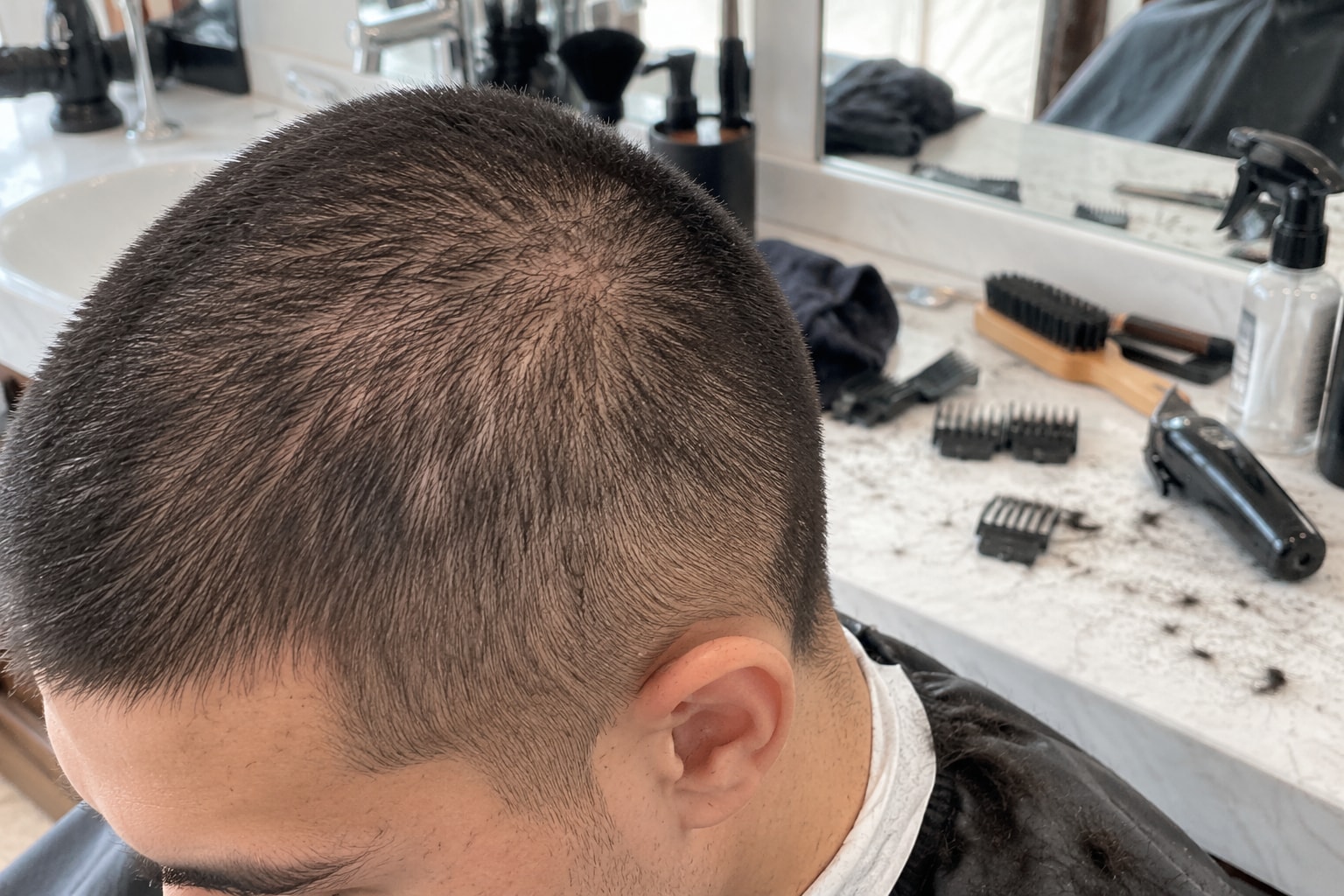
Recession at the temples, crown thinning, sudden shedding, and smooth bald patches don't all share one cause or automatic treatment.
The American Academy of Dermatology advises starting with a diagnosis. A dermatologist may examine your scalp and nails, test hair strength, and ask how quickly the change began. Blood tests or a scalp biopsy may help when disease, deficiency, hormone changes, or infection are possible.
That route can feel slower than ordering gummies, but it saves time when the real problem needs a different plan.
What should you do instead of guessing?
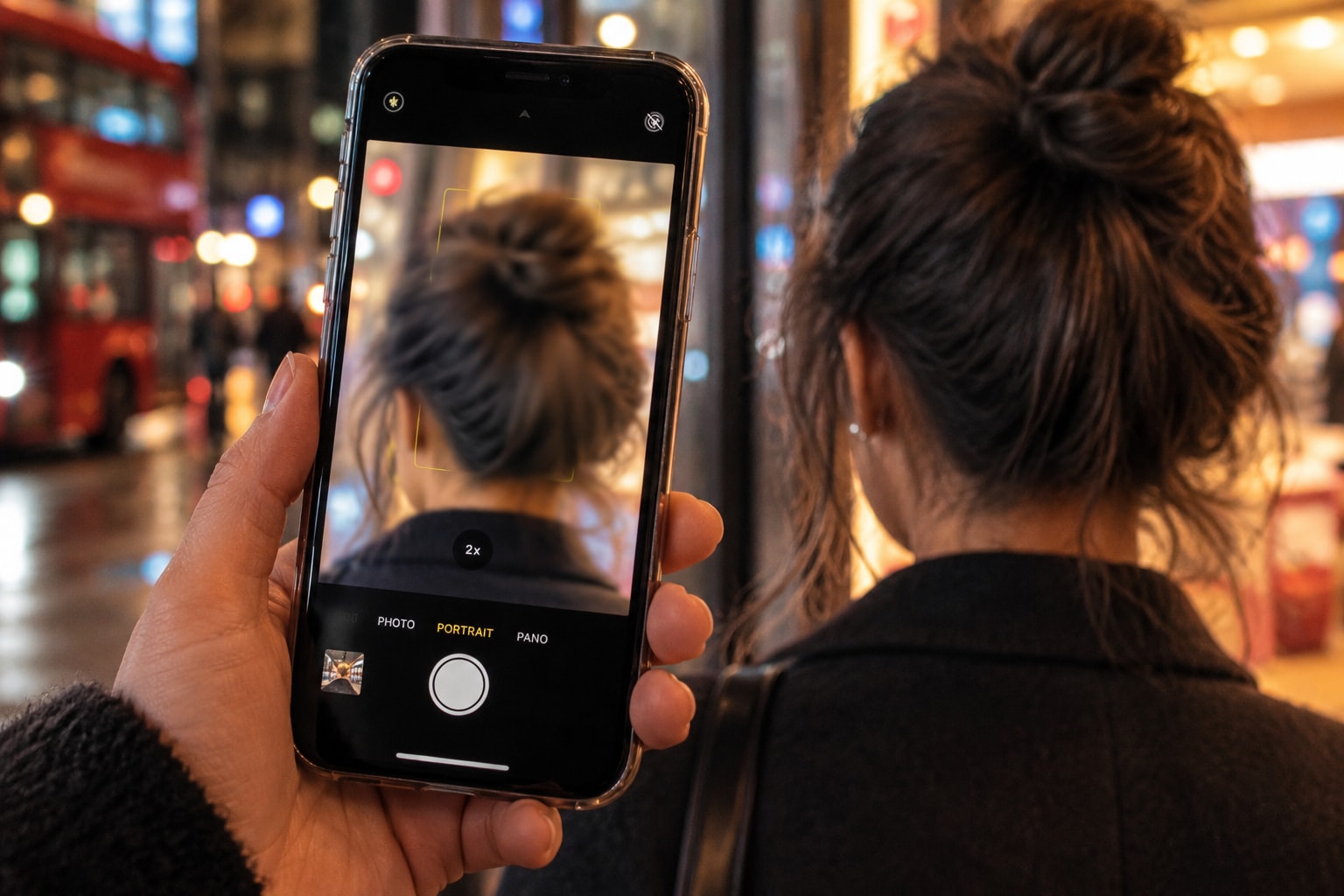
Start with a short, calm record of what is changing. You want a trend, not a verdict from one harsh bathroom photo.
- Take hairline, temple, part, and crown photos once each month.
- Use the same room, camera distance, angle, and light each time.
- Photograph dry hair in a similar style, without fibers or concealer.
- Record new medicines, illness, major weight loss, and scalp symptoms.
- List every supplement and the dose shown on its label.
Don't inspect your hairline daily because light, wetness, styling, and camera angle can change how density looks; monthly comparisons are easier to read.
Book a clinician or dermatologist if loss is sudden, patchy, painful, or paired with scalp redness or scaling. Get help as well when thinning keeps progressing or worries you. Hair loss has many causes, and earlier identification can change the options.
Is food a better source of biotin?
For most people, food covers biotin needs without a high-dose supplement. The NIH lists cooked egg, salmon, pork, sunflower seeds, sweet potato, and almonds among useful sources.
Raw egg whites contain avidin, which binds biotin and reduces absorption. Cooking removes that effect, giving you another reason to avoid raw-egg diet trends.
A varied diet also supplies protein, iron, zinc, and other nutrients involved in normal body function. More of one vitamin won't fix every nutritional or medical cause of shedding.
Avoid crash diets sold as appearance shortcuts. Fast or major weight loss can be relevant when a dermatologist investigates shedding. A steady, adequate diet is a safer base for both health and appearance.
How should you judge a hair-growth supplement claim?
Read the evidence behind the exact product and ingredient. A testimonial can't separate the supplement from time, styling, a new haircut, or another treatment used at the same time.
Before buying, ask four plain questions:
- Was the study done in humans with the same type of hair loss?
- Did it compare biotin alone with a placebo?
- Were hair counts or standardized photos used?
- Did the result beat placebo by a useful amount?
For biotin in healthy adults, those questions expose the problem. The 2024 review found only three eligible studies, and the best controlled trial was negative.
The American Academy of Dermatology also warns that supplement effectiveness can be inconsistent or unreliable. It recommends discussing hair supplements with a board-certified dermatologist, especially when an underlying condition may be present.
FAQ
Does biotin make hair grow faster?
Biotin can help correct hair changes caused by true deficiency. Good evidence doesn't show faster hair growth in healthy adults who already get enough biotin.
How much biotin should I take for hair growth?
There is no evidence-based hair-growth dose for a biotin-sufficient person. Adults have an adequate intake of 30 micrograms daily, while many hair supplements contain thousands of micrograms.
How long does biotin take to work for hair?
There is no proven timeline for cosmetic hair growth in people without deficiency. In the best controlled trial, 10 milligrams daily didn't beat placebo after four weeks.
Can biotin cause acne?
Biotin-specific acne claims haven't been confirmed by good clinical trials. If a new supplement and breakouts start together, stop guessing and discuss the timing and full ingredient list with a clinician.
Should I stop biotin before a blood test?
Tell the ordering clinician and laboratory your exact biotin dose before testing. Don't pick your own stop time, because the safe interval depends on the dose and test method.