Quick answer
Can a satin bonnet cause forehead acne? It can contribute if the band rubs, traps heat and sweat, or carries oily hair products onto your skin. Satin itself is not automatically the problem; fit, residue, and repeated contact are better suspects.
No clinical trial has tested whether satin bonnets cause forehead acne directly. The link comes from known friction and hair-product contact mechanisms.
A rash that itches, burns, scales, or blisters may be contact dermatitis instead. Clusters of itchy or pus-filled bumps can also be folliculitis, and both need different care from ordinary acne.
Why a bonnet can trigger forehead bumps
A bonnet can affect the narrow strip beneath its band in several ways, and more than one may happen at once.
Pressure, friction, and trapped sweat
The American Academy of Dermatology calls breakouts caused by rubbing, pressure, heat, and sweat acne mechanica. It often begins as small, rough bumps where clothing touches the skin, then continued rubbing can turn them into inflamed pimples.
A snug bonnet band creates a similar contact pattern, so location is a useful clue. New bumps may sit along the edge, temples, or hairline rather than appearing evenly across your face.
That pattern is useful but not proof, since forehead acne can also come from products or unrelated irritation.
Hair-product residue on the band
Oils, pomades, conditioners, gels, and leave-in products can cause acne along the forehead and hairline. Dermatologists call this acne cosmetica, which often appears as whiteheads and small flesh-colored bumps.
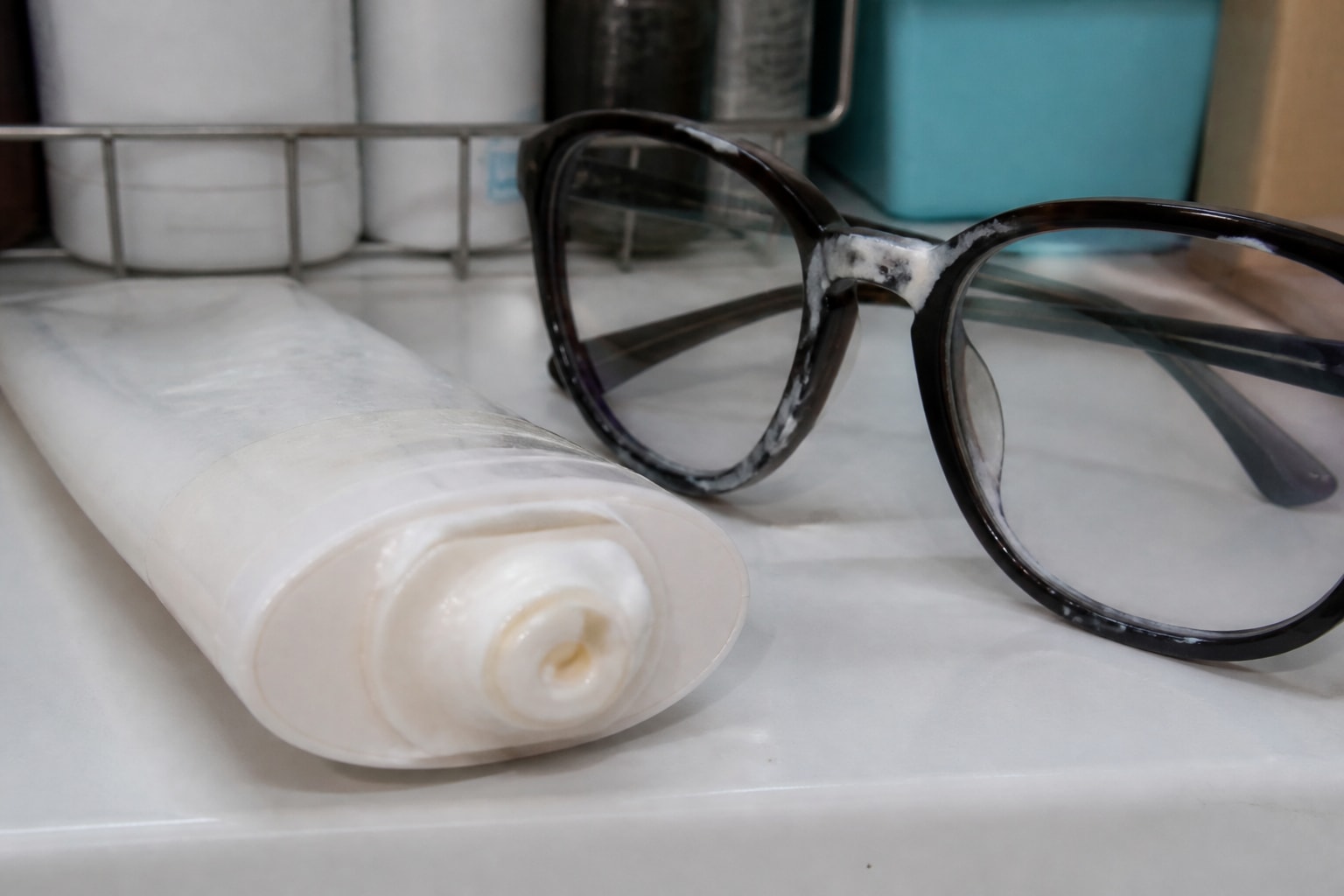
A bonnet edge can collect some residue from your hair, then hold it against the same skin for hours. Washing your face will not solve that repeated contact if the band remains coated.
A reaction that only looks like acne
Contact dermatitis often itches, burns, stings, or feels tender, while the skin may become dry, swollen, scaly, or blistered. A sharp band-shaped rash makes this possibility more likely than scattered blackheads do.
The trigger could be detergent, fragrance, or another product touching the band. You cannot identify it from the fabric name alone.
Folliculitis is another look-alike that can itch or hurt. Cleveland Clinic describes it as inflamed hair follicles that form red, white-filled, or pus-filled bumps. A clinician may need to examine persistent bumps because different forms need different treatment.

Signs your bonnet may be involved
No single clue confirms the cause, but a bonnet becomes a stronger suspect when several of these points line up:
- The bumps follow the band across your forehead, temples, or hairline.
- The problem began after a new bonnet, tighter fit, or heavier hair product.
- The edge feels oily or carries visible styling-product residue.
- You wake with a deep pressure mark, tenderness, heat, or sweat beneath the band.
- New bumps slow after you change the fit and keep the edge clean.
Do not deliberately repeat an exposure that caused swelling, blisters, or a painful rash. That is not a safe home test.
Run a clean four-to-six-week test
Change the likely contact without rebuilding your whole routine, because acne moves too slowly for a useful two-night comparison.
- Keep your face routine steady. Starting several acids or spot treatments will hide which change helped and may add irritation.
- Wash the bonnet according to its care label. If your skin reacts easily, use a familiar fragrance-free detergent and rinse it fully.
- Reduce pressure. Choose a size or fastening that stays on without a painful groove, rather than solving slips by tightening it harder.
- Keep oily products off the band. Apply pomade, oil, and leave-in products away from the hairline when your hairstyle allows.
- Photograph the same strip of skin once a week. Use the same room, light, distance, and relaxed expression each time.
- Count new bumps, not every old mark. Flat red or brown marks may remain after the active spot has settled.
The American Academy of Dermatology says product-related acne may take four to six weeks to clear after contact stops. If the pattern improves, keep the helpful changes rather than abandoning a bonnet that now fits and behaves well.
Improvement strengthens the case but does not prove the bonnet caused the breakout. A photo can document the pattern, but it cannot reliably separate acne, dermatitis, and folliculitis on its own.
Care for the bumps without making them worse
Start gently by washing your face up to twice daily and after heavy sweating with a mild, non-abrasive cleanser. Scrubbing the band area can increase irritation.
If you have small whiteheads or ordinary pimples without itching or burning, an over-the-counter salicylic acid product may help unclog pores. Follow its label and use one new acne product at a time. A non-comedogenic moisturizer can help if treatment leaves your skin dry.
Do not pick the bumps, since picking increases inflammation and raises the chance of a lasting dark mark or scar.
Pause acne actives on skin that is burning, blistered, oozing, or intensely itchy. Do not start an antifungal, antibiotic, or steroid cream just because an online photo looks similar. A wrong treatment can delay the right diagnosis.
Keep the hair protection, remove the likely trigger
There is no clinical rule saying every bonnet must be washed after a fixed number of nights. Product use, sweating, and the care label all change the answer.
Inspect the edge instead of following a viral schedule, and wash it when it feels oily or carries visible residue. Rotating two bonnets may make cleaning easier, especially after heavy sweating.
Fit matters because a smoother fabric cannot cancel constant pressure from a tight band. If loosening makes the bonnet fall off, try a better size or a different fastening style.
Switching to silk does not test the more direct factors: pressure, heat, and residue. A clean, comfortable band with little product residue is the more useful target.
When to get medical help
See a clinician if the bumps are deep, painful, draining, spreading, or leaving scars. Get help sooner for fever, marked swelling, rapidly worsening redness, or a rash near your eyes.
An intensely itchy, burning, blistering, or scaly band-shaped rash also deserves assessment. It may need contact-dermatitis care rather than stronger acne treatment.
Book a routine appointment if the area does not improve after six weeks of removing the suspected contact. A dermatologist can distinguish acne from folliculitis and dermatitis, then choose treatment that matches the cause.

FAQ
Should I stop wearing my bonnet completely?
Not necessarily, because ordinary bumps without a painful rash may improve with a cleaner edge, less pressure, and less hair-product contact. Stop wearing it while you seek care if it causes swelling, blisters, or broken skin.
How often should I wash a satin bonnet if I get acne?
No study gives one schedule for everyone. Follow the care label, and wash it whenever the edge collects oil, sweat, or styling product. You may need a shorter rotation when you use heavy leave-in products nightly.
Is silk better than satin for forehead acne?
Silk may feel different, but switching material alone does not identify the cause, so test pressure and residue first. If the rash began with one specific bonnet, stop using it until your skin settles.
How long should bonnet-related acne take to clear?
Product-related hairline acne can take four to six weeks to clear after the trigger stops touching your skin. Seek help if it keeps worsening, becomes painful, or shows no improvement after a careful six-week test.