Quick answer
Clavicular, mogging, and the new maxxing internet are part of a wider online language around appearance, status, and self-improvement. "Mogging" usually means outshining someone else physically or socially. "Maxxing" means optimizing one trait as far as possible. Clavicular is one of the viral figures associated with pushing this vocabulary into mainstream feeds.
The important point is not to memorize every slang term. The important point is to separate useful self-care from spectacle. A practical skincare routine, better sleep, fitness, grooming, and confidence-building can be healthy. Ranking strangers, chasing dangerous extremes, or treating your face like a public scoreboard is not healthy self-improvement.
LooksMax Scan should sit on the useful side of the line: measurable skin tracking, private analysis, non-diagnostic advice, and no public attractiveness ranking.
Why this is trending
The new maxxing internet spreads because it is easy to clip, remix, and argue about. A phrase like "mogging" sounds strange enough to become a meme, but simple enough to use in captions. A creator can talk about height, jawline, skin, fashion, gym progress, dating anxiety, or masculinity and package all of it under the same maxxing label.
Figures like Clavicular became algorithmically magnetic because they sit at the intersection of shock, insecurity, humor, and controversy. That does not mean the advice is good. It means the content is optimized for attention. Platforms reward strong reactions, and extreme appearance talk creates them quickly.
The slang has also broken out of its original context. People now use maxxing language jokingly for ordinary things: sleepmaxxing, watermaxxing, studymaxxing, or deskmaxxing. That can make the terms feel harmless. But some of the original communities tied to this vocabulary were built around resentment, social hierarchy, and fatalistic ideas about attractiveness. A good explainer has to hold both truths: the language can be funny in the mainstream, and the origins can still carry harmful assumptions.
What the evidence says
Researchers and commentators have raised concerns that looksmaxxing communities can encourage lookism, body dissatisfaction, and harmful masculine norms. That does not mean every person who uses the word is doing something dangerous. It means the environment can push vulnerable people toward comparison and shame if there are no guardrails.
The healthiest self-improvement advice is specific, reversible, and proportionate. A gentle cleanser is reversible. Changing your sleep schedule is reversible. Testing a sunscreen for a few weeks is reversible. Taking clearer progress photos is reversible. Public humiliation, extreme body modification pressure, and constant face ranking are not the same category.
The evidence-backed mindset is also boring in a good way. Skin improvement usually comes from consistency: reducing irritation, using sunscreen, not over-exfoliating, choosing products that fit your skin type, and seeking professional care when symptoms are severe or persistent. The internet prefers hacks because hacks are dramatic. Your skin usually prefers calm repetition.
What LooksMax Scan can help you check
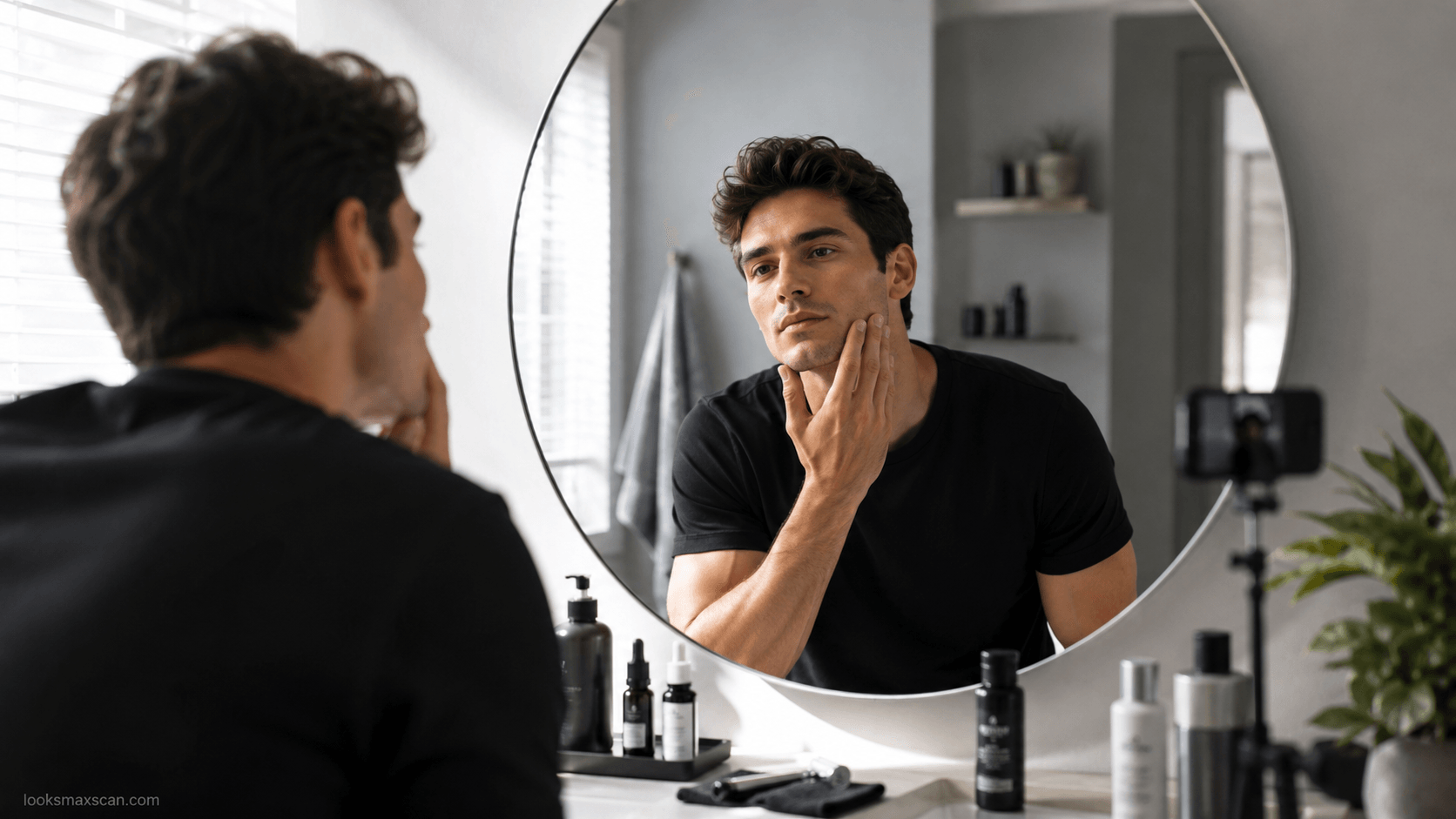
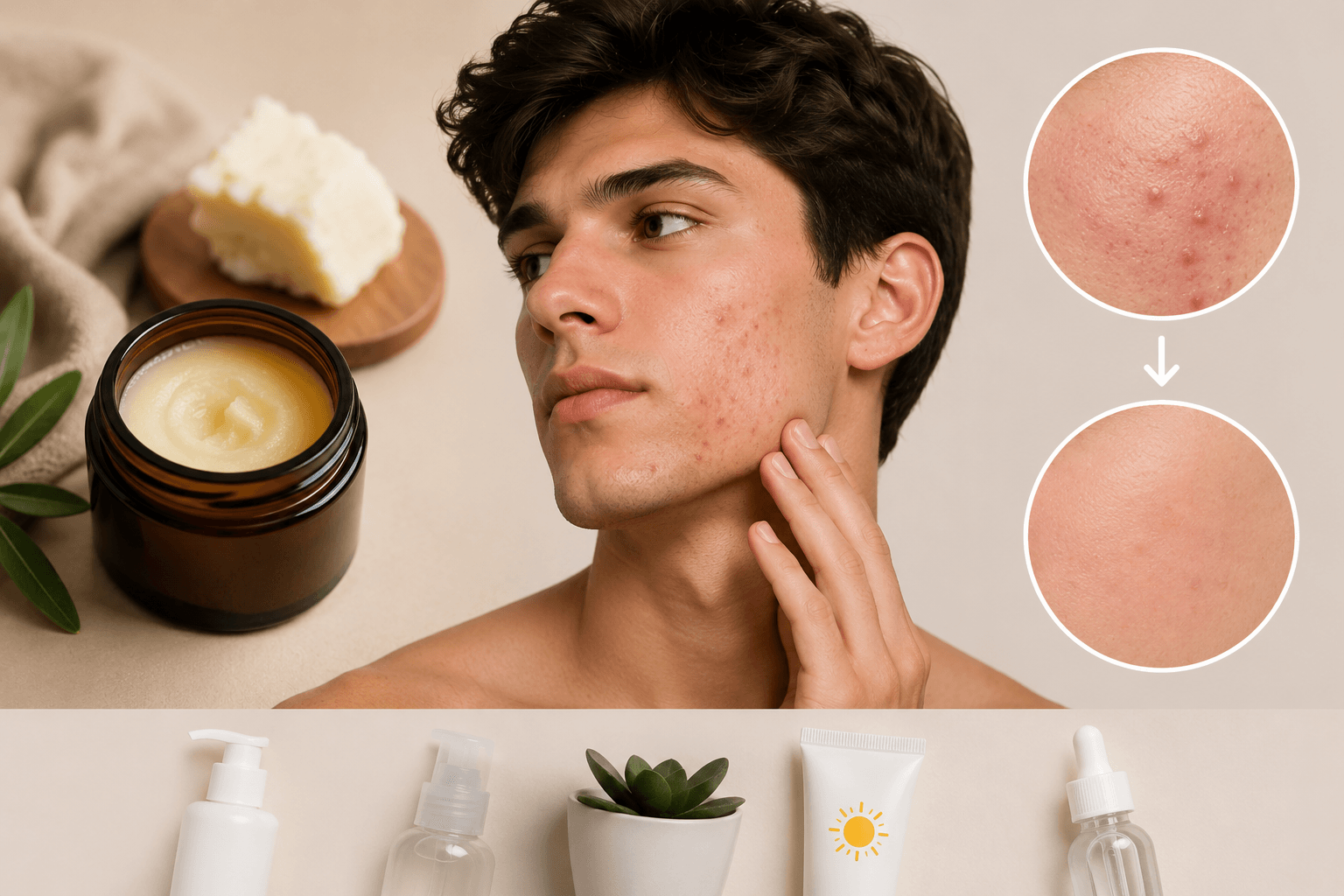
LooksMax Scan can help turn vague appearance anxiety into a more concrete skin checklist. Instead of asking "Am I mogging?" or "Do I look good enough?", the better questions are: where is redness showing up, are breakouts clustered in a zone, is oiliness concentrated in the T-zone, are pores more visible on the nose and cheeks, and do dark circles look stronger in the current lighting?
Those questions are useful because they lead to decisions. If oiliness is high but your skin feels tight, you may be over-cleansing. If redness is strongest on the cheeks, you may want to simplify actives and watch for irritation. If acne is recurring in one area, you may want to review shaving, masks, hair products, phone contact, or whether it is time to ask a clinician.
A scan also keeps the process private. The user does not need a public comment section to get a starting point. That privacy matters in a culture where appearance feedback can become cruel very quickly.
What it cannot diagnose
LooksMax Scan cannot diagnose body dysmorphic disorder, acne subtype, rosacea, dermatitis, allergy, infection, or any medical condition. It also cannot tell you whether a viral appearance method is safe for your body. It can only surface visible skin signals from an image and provide non-diagnostic guidance.
It also cannot make cultural slang harmless. If mogging language makes you compare yourself obsessively or feel worse after every scroll, the solution is not another ranking. The solution may be to step away from the feed, talk to someone you trust, and focus on habits that improve your life outside the camera.
The tool should not be used to judge other people. Uploading someone else's image without consent, rating strangers, or turning private analysis into social content would violate the point of a practical scan.
Practical next steps
Use maxxing language only if it helps you describe a goal without insulting yourself. "Skincaremaxxing" can mean building a simple routine. It should not mean punishing your skin with harsh products or comparing your face to edited creators.
Start with a baseline photo and one change. For example, keep the same cleanser and moisturizer, add daily sunscreen, and track redness and texture for several weeks. Or keep the routine stable and focus only on sleep timing. If everything changes at once, you will not know what helped.
Avoid any online advice that promises permanent facial restructuring, encourages self-injury, asks you to buy unregulated products, or frames whole groups of people as genetically superior or inferior. That is not self-improvement; it is a status trap.
The useful path is quieter: understand your skin, remove obvious irritants, protect your barrier, and ask for professional help when a concern looks medical or persistent.
Run a private AI skin scan on LooksMax Scan.